
Loading…
Loading…


ACHR does not currently pay a dividend.
Sell-side consensus EPS, revenue estimates, YoY growth, forward P/E, and per-year analyst coverage — for any covered stock.
Click below to see what's inside, then upgrade to unlock for this and 80,000+ other tickers.
See price against where its own fundamentals say it should trade — the shaded gap is the discount or premium, across five valuation lenses.
Click below to see what's inside, then upgrade to unlock for ACHR and 80,000+ other tickers.
See exactly how ACHR's revenue becomes profit — a Sankey that traces revenue (and its reported segments) through gross profit, operating expenses, and net profit, with the year-over-year change on every line.
The same diagram the Chart Builder draws, right on the Summary tab. Upgrade to unlock it for ACHR and 80,000+ other tickers.
Archer Aviation Inc. is a company focused on urban air mobility, specializing in the development, manufacturing, and operation of electric vertical takeoff and landing (eVTOL) aircraft for passenger transport. Initially incorporated as Atlas Crest Investment Corp., the organization later rebranded to its current name, Archer Aviation Inc. Established in 2018, its main operational base is located in Palo Alto, California.
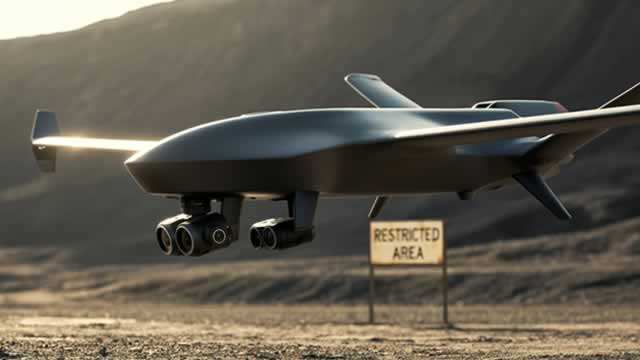
Archer Aviation is moving toward the commercial launch of its Midnight aircraft with significant backing from major airlines and defense agencies. Lucid Group continues to scale its luxury electric vehicle production, supported by a massive purchase agreement with the Government of Saudi Arabia.
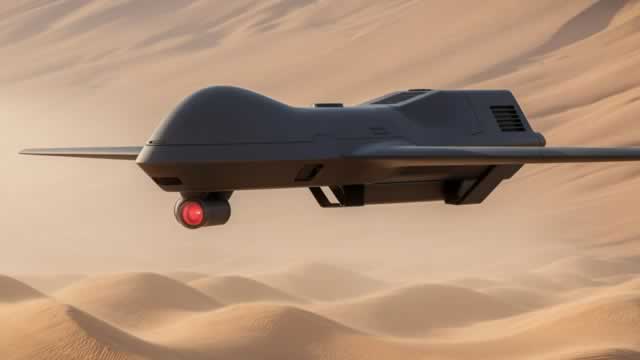
Archer just unveiled Halo, which could expand its business into cargo and logistics. Halo is based on the same platform as Thunder, a defense aircraft unveiled on July 20.
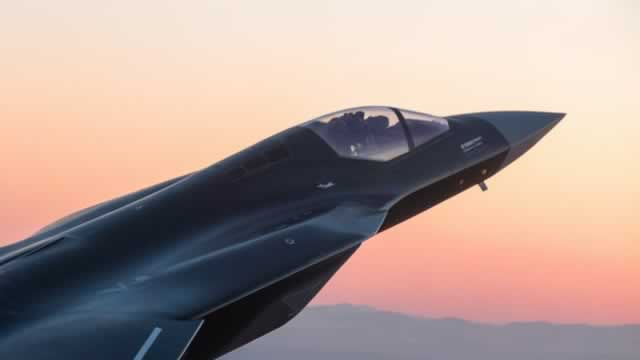
ACHR and EH strengthen their eVTOL ambitions as both work toward scalable urban air mobility and commercial flight operations.
On CNBC's “Mad Money Lightning Round,” Jim Cramer said that although he likes Truist Financial Corporation (NYSE:TFC), he prefers KeyCorp (NYSE:KEY) to Truist.

The civilian electric vertical takeoff and landing market remains trapped in a regulatory holding pattern. Developing a functional urban air-taxi network requires deep consumer adoption, local infrastructure overhauls, and grueling Federal Aviation Administration approvals.