
Loading…
Loading…

SFIG (WisdomTree U.S. Short-Term Corporate Bond Fund) is no longer actively trading.
This usually means the fund has been liquidated, merged into another product, or its ticker has been retired. Every price, valuation, dividend, and analyst figure on this page is frozen at the last available trading session and reads as historical reference — not a current-day signal.

Under normal circumstances, at least 80% of the fund's total assets will be invested in component securities of the index and investments that have economic characteristics that are substantially identical to the economic characteristics of such component securities. The index is designed to capture the performance of selected issuers in the short-term U.S. investment grade corporate bond market that are deemed to have favorable fundamental and income characteristics. It is non-diversified.
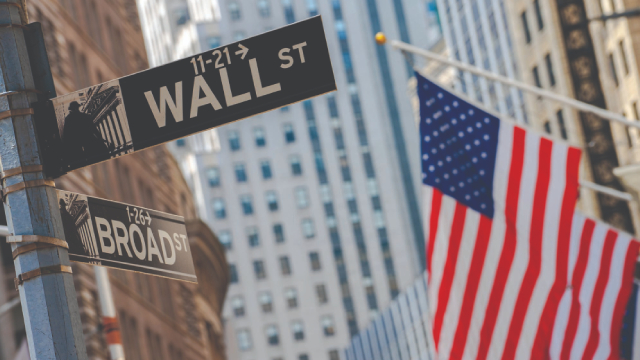
Recent economic data points have been mixed. On the more positive side of the ledger, there's evidence that inflation is cooling and consumer spending remains sturdy.
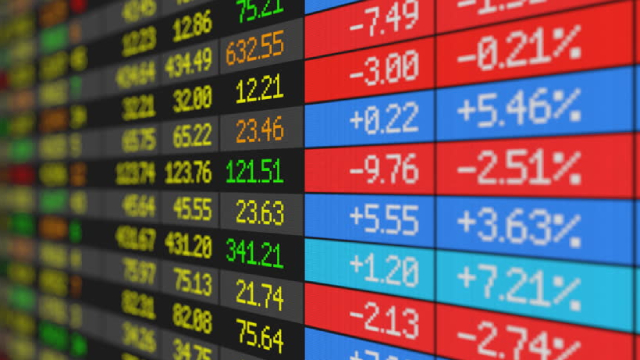
The past week saw the debut of 13 new ETFs on U.S. markets as well as a host of material changes to existing funds. Among the firms launching ETFs were Harbor Capital, YieldMax, ALPS, and T.
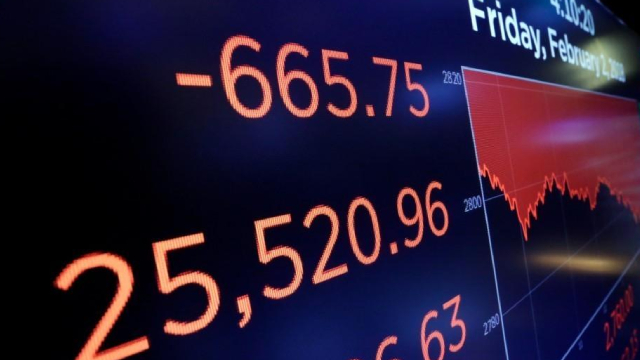
For a significant period of time, positive economic news — be it inflation or employment data and more — was considered a negative for bonds. Corporate debt was part of that trend.

The Markit iBoxx USD Liquid Investment Grade Index is essentially flat since the start of 2024. While that trails the slight gain notched by the Bloomberg U.S. Aggregate Bond Index, some experts believe investment-grade corporate bonds remain an opportunity-rich corner of the fixed income market.

As measured by the widely followed Markit iBoxx USD Liquid Investment Grade Index, investment-grade corporate bonds aren't doing much to thrill fixed income investors this year. But yields on such debt are attractive.