
Loading…
Loading…

IAUF (iShares Gold Strategy ETF) is no longer actively trading.
This usually means the fund has been liquidated, merged into another product, or its ticker has been retired. Every price, valuation, dividend, and analyst figure on this page is frozen at the last available trading session and reads as historical reference — not a current-day signal.

The underlying index is composed of exchange-traded gold futures contracts and one or more ETPs backed by or linked to physical gold. The fund invests in a combination of exchange-traded gold futures contracts and other exchange-traded or OTC derivatives that correlate to the investment returns of physical gold, based on the notional value of such derivative instruments and ETPs backed by or linked to physical gold, which may include the iShares Gold Trust. It is non-diversified.
Is IAUF's expense ratio expensive, average, or a steal for its category?
Pro reveals the verdict on a 5-tier spectrum calibrated against ICI 2025 industry averages, with strategy-aware bands so the comparison is meaningful.

Spot gold and silver prices are sharply lower in late-afternoon U.S. trading Thursday, as rising Treasury yields, a firmer U.S. dollar and a renewed crude-oil spike outweighed safe-haven demand tied to the U.S.-Iran conflict. At the time of writing, spot gold was trading near $4,047.80 an ounce, down 1.98%, while spot silver was trading near $57.64, down 3.46% on the session.
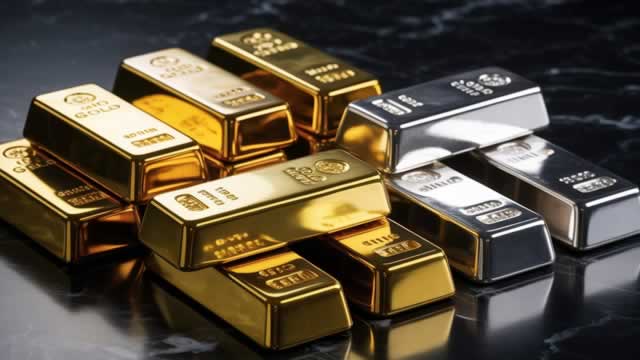
Spot gold and silver prices are lower ahead of the North American market open Thursday, as rising Treasury yields, a firmer U.S. dollar and another surge in crude oil prices outweighed safe-haven demand tied to the U.S.-Iran conflict. At the time of writing, spot gold was trading near $4,066.82 an ounce, down 1.52%, while spot silver was trading near $58.06, down 2.75% on the session.

The gold market continues to base-build at key long-term support levels even as the European Central Bank takes a neutral stance on monetary policy in the face of persistent inflation threats.

Spot gold and silver prices are higher in late-afternoon U.S. trading Wednesday, as technical buying and defensive demand lifted metals despite higher crude oil prices, firmer Treasury yields and a choppy U.S. equity session. At the time of writing, spot gold was trading near $4,136.60 an ounce, up 1.47%, while spot silver was trading near $59.72, up 1.80% on the session.

Markets have experienced a dollar resurgence more than a decline in the gold price, while the Iran war – and the U.S. reaction to its inflation pressures – make gold essential insurance for investors, according to Steve Forbes, Chairman and Editor-in-Chief of Forbes Media.Forbes acknowledged that gold prices have seen a precipitous decline since hitting their late January highs near $5,600 per ounce, but said gold isn't what's actually changed.