
Loading…
Loading…


The iShares MSCI China ETF aims to replicate the financial performance of a benchmark index. This index is exclusively comprised of Chinese company stocks that are openly available for purchase by global investors.
Is MCHI's expense ratio expensive, average, or a steal for its category?
Pro reveals the verdict on a 5-tier spectrum calibrated against ICI 2025 industry averages, with strategy-aware bands so the comparison is meaningful.

Beijing has reported robust growth this year, but a growing chorus of economists are asking if the numbers accurate.
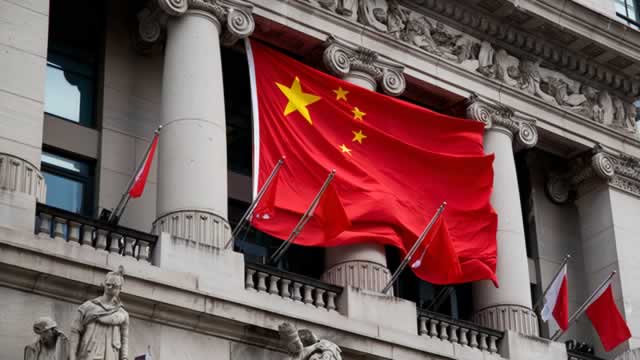
The global AI boom and higher commodity prices stemming from the war in Iran have lifted earnings at miners, chipmakers and raw-material suppliers.
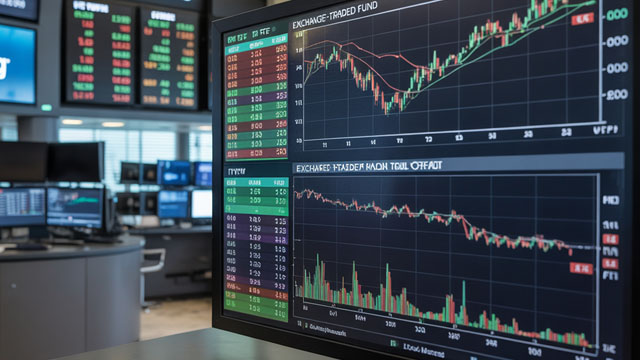
The gap between U.S. and Chinese stocks just broke a record stretching back decades, and Beijing's state-backed funds are still sitting on their hands while blue-chip shares slide into bear market territory.

Chinese stocks fell into bear-market territory on Thursday after a record 10-week losing streak, as disappointing corporate earnings and fading expectations of government stimulus deepened the sell-off. The CSI 300 index dropped roughly 20% from its June peak, crossing the conventional threshold for a bear market.

China's economic growth accelerated to 4.6% in the third quarter from a year earlier, as foreign demand for the country's technological goods largely offset a deepening property slump and sluggish consumer demand.