
Loading…
Loading…


This ETF is designed to replicate the investment performance of a specific index. That index focuses on U.S. large- and mid-capitalization companies, selecting those that exhibit strong 'value' characteristics and trade at comparatively lower valuations.
Is VLUE's expense ratio expensive, average, or a steal for its category?
Pro reveals the verdict on a 5-tier spectrum calibrated against ICI 2025 industry averages, with strategy-aware bands so the comparison is meaningful.

Launched on April 16, 2013, the iShares MSCI USA Value Factor ETF (VLUE) is a passively managed exchange traded fund designed to provide a broad exposure to the Large Cap Value segment of the US equity market.
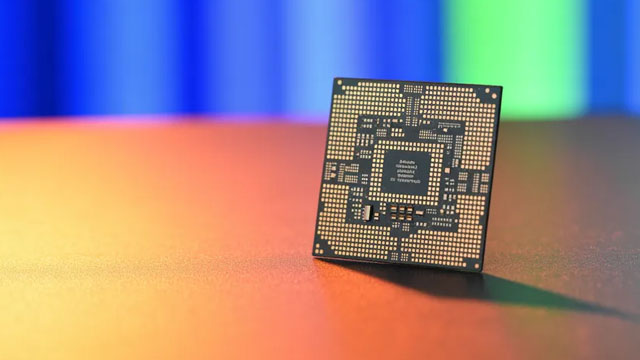
Micron Technology (MU) reports earnings Wednesday. The company has had a massive year in 2026, up 237% in that time.

The iShares MSCI USA Value Factor ETF (VLUE) made its debut on 04/16/2013, and is a smart beta exchange traded fund that provides broad exposure to the Style Box - Large Cap Value category of the market.

The artificial intelligence (AI) boom is creating a bottleneck for the semiconductor industry. As hyperscalers continue spending billions of dollars on AI data centers, the demand for high-bandwidth memory (HBM) used alongside advanced AI processors has surged, diverting production away from smartphones, PCs and other electronics.

The xiShares MSCI USA Value Factor ETF (VLUE) offers an unusual combination of AI-driven growth and traditional value exposure, distinguishing it from conventional value ETFs. Micron's roughly 20% weighting gives VLUE significant exposure to rising AI-driven memory demand, while Cisco adds exposure to AI networking infrastructure. General Motors, Verizon, and AT&T provide traditional value and cash-flow characteristics that help offset VLUE's concentration in technology and semiconductor stocks.