
Loading…
Loading…


The iShares Currency Hedged MSCI Emerging Markets ETF is designed to replicate the investment performance of a specific index. This index consists of shares from large and medium-sized companies located in developing economies. A key objective of this ETF is to reduce the risk associated with changes in exchange rates between the local currencies of these emerging markets and the U.S. dollar.
Is HEEM's expense ratio expensive, average, or a steal for its category?
Pro reveals the verdict on a 5-tier spectrum calibrated against ICI 2025 industry averages, with strategy-aware bands so the comparison is meaningful.

Emerging markets continued to expand at a solid pace midway into the first quarter of 2024, supported by broad-based expansion across both manufacturing and service sectors.

Past experience shows us that emerging markets have historically reacted positively to higher global rates, especially if the latter reflects an improving global growth outlook. Most emerging markets will start normalizing rates well before the U.S. and developed markets.
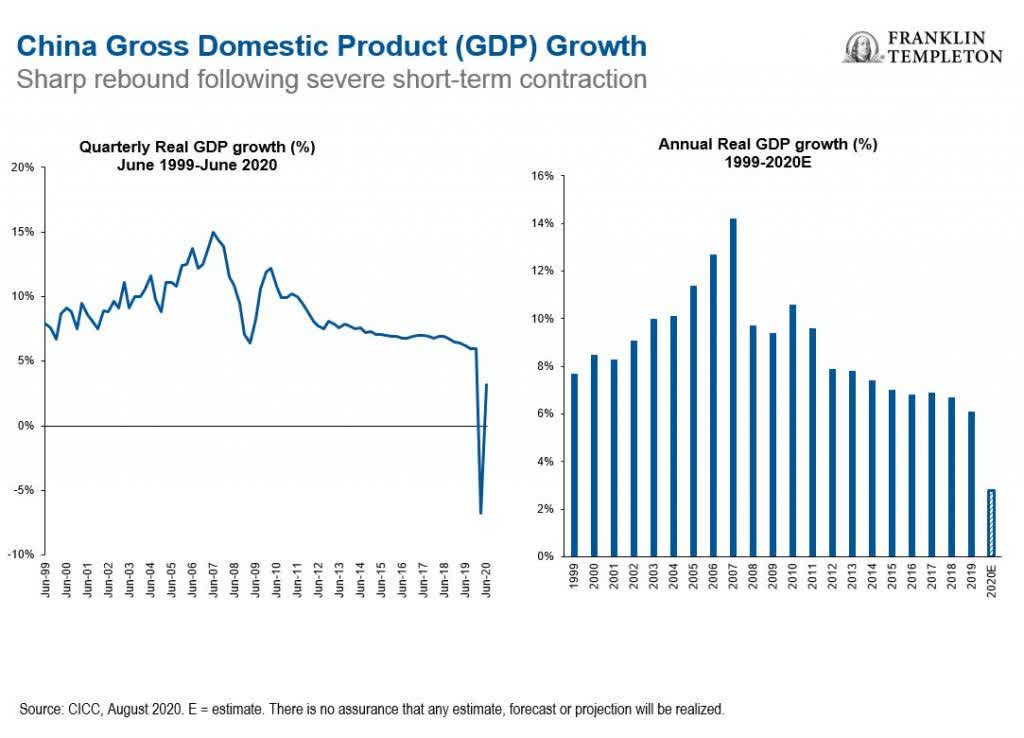
Asian markets rose in August to seal the best regional performance in EMs. Stocks in China, India and Indonesia posted notable gains.

Allocating to smaller companies can help broaden an EM allocation by providing a different mix of exposures to opportunities across countries and sectors.
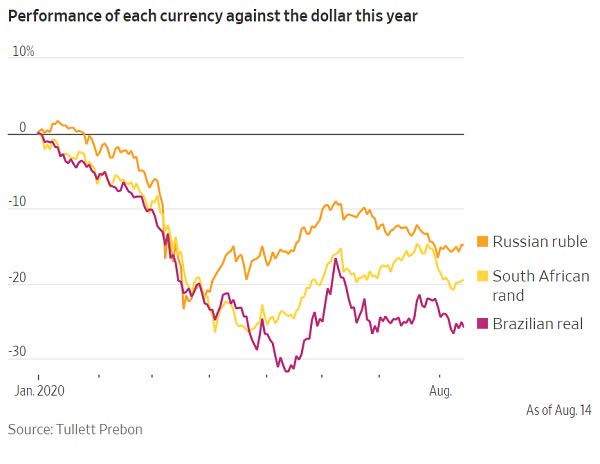
Back in the simpler days of 2019, there was this (now completely forgotten) impending crisis in which emerging market countries' dollar-denominated debt was going to blow up their - and by extension the rest of the world's - economies.