
Loading…
Loading…



Emerging markets ETFs may be a compelling option amid the ongoing banking crisis in the United States and Europe.

It's long been said that emerging markets equities offer investors a value proposition relative to U.S. stocks, and that remains true today despite a rough five-month stretch for the S&P 500. However, as is the case with searching for value in other regions, some exchange traded funds are better suited for emerging markets value-seekers than [.

Emerging markets stocks are struggling again this year, but that's painting with broad strokes. Investors taking the time to conduct further examination will find pleasant surprises in the form of Latin American stocks.

Emerging markets assets are dealing with bumps in the early innings of 2022, but with valuations looking attractive, investors may want to consider nibbling at the long-criticized asset class. A potentially safe way of doing that is by commanding the power of dividends.

With the widely followed MSCI Emerging Markets Index down 6% year-to-date, it's understandable that investors aren't enthusiastic about emerging markets equities heading into 2022. Some professional investors are expressing the same sentiment, further compounding retail investors' trepidation about developing economies in 2022.

The widely observed MSCI Emerging Markets Index is up 7% year-to-date. That's decent, but investors opting for emerging markets exchange traded funds with deeper cyclical value tilts could be doing a lot better.

Past experience shows us that emerging markets have historically reacted positively to higher global rates, especially if the latter reflects an improving global growth outlook. Most emerging markets will start normalizing rates well before the U.S. and developed markets.
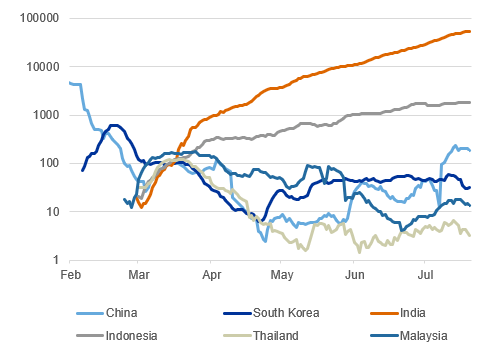
Today, China's economic recovery continues ticking along, and we are even seeing some indicators showing growth relative to last year.