
Loading…
Loading…


Under typical market conditions, the fund commits at least 80% of its total capital to the constituent securities of its underlying index. This index, crafted and administered by MSCI, identifies companies from the broader MSCI Emerging Markets Index that have successfully raised their dividend distributions annually for a minimum of seven consecutive years.
Is EMDV's expense ratio expensive, average, or a steal for its category?
Pro reveals the verdict on a 5-tier spectrum calibrated against ICI 2025 industry averages, with strategy-aware bands so the comparison is meaningful.

Emerging markets ETFs may be a compelling option amid the ongoing banking crisis in the United States and Europe.

It's long been said that emerging markets equities offer investors a value proposition relative to U.S. stocks, and that remains true today despite a rough five-month stretch for the S&P 500. However, as is the case with searching for value in other regions, some exchange traded funds are better suited for emerging markets value-seekers than [.
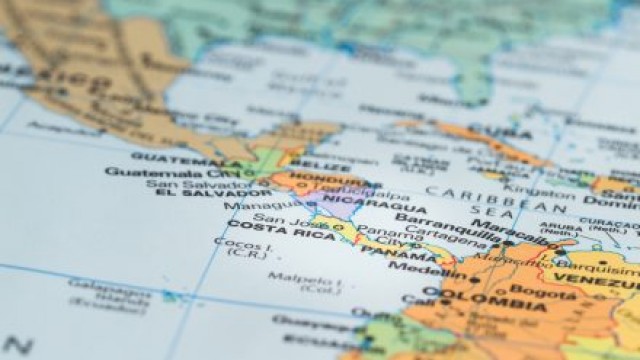
Emerging markets stocks are struggling again this year, but that's painting with broad strokes. Investors taking the time to conduct further examination will find pleasant surprises in the form of Latin American stocks.

Emerging markets assets are dealing with bumps in the early innings of 2022, but with valuations looking attractive, investors may want to consider nibbling at the long-criticized asset class. A potentially safe way of doing that is by commanding the power of dividends.

With the widely followed MSCI Emerging Markets Index down 6% year-to-date, it's understandable that investors aren't enthusiastic about emerging markets equities heading into 2022. Some professional investors are expressing the same sentiment, further compounding retail investors' trepidation about developing economies in 2022.