
Loading…
Loading…

AMCA (iShares Russell 1000 Pure U.S. Revenue ETF) is no longer actively trading.
This usually means the fund has been liquidated, merged into another product, or its ticker has been retired. Every price, valuation, dividend, and analyst figure on this page is frozen at the last available trading session and reads as historical reference — not a current-day signal.

The investment seeks to track the investment results of the Russell 1000Â Pure Domestic Exposure Index. The fund invests at least 80% of its assets in the component securities of its underlying index and in investments that have economic characteristics that are substantially identical to the component securities of its underlying index and may invest up to 20% of its assets in certain futures, options and swap contracts, cash and cash equivalents. The index composed of U.S. companies exhibiting higher domestic sales as a proportion of the company's total sales relative to other large- and mid-capitalization U.S. equities.
Is AMCA's expense ratio expensive, average, or a steal for its category?
Pro reveals the verdict on a 5-tier spectrum calibrated against ICI 2025 industry averages, with strategy-aware bands so the comparison is meaningful.

Plus, Alerian and Galaxy Digital teamed up to develop an index family.

The ETFs amount to nearly $88 million in assets.

Plus, the issuer swapped out indexes on two key ETFs.
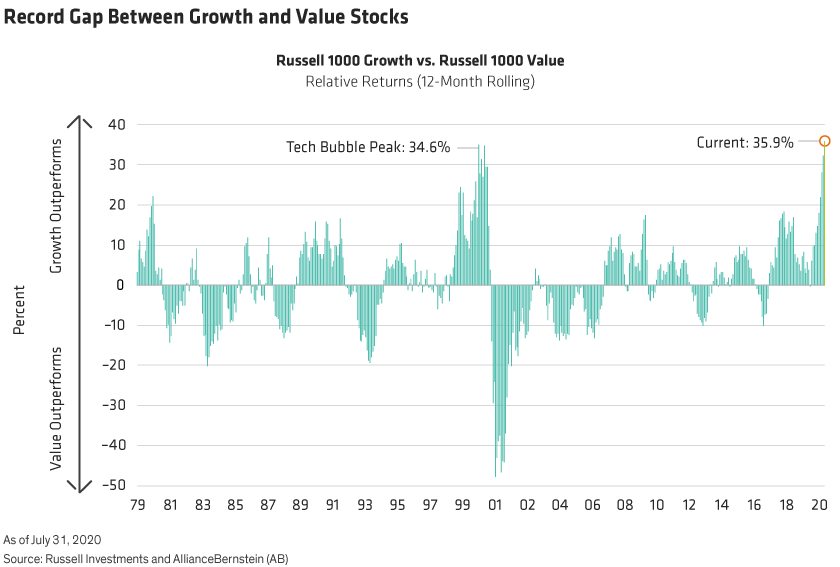
During the coronavirus downturn and rebound, US growth stocks outpaced value stocks by a record margin.

The Russell US Indexes' annual reconstitution process is critical to maintaining accurate representation of U.S. equity markets. The reconstitution is a major e