
Loading…
Loading…

NSPY (NightShares 500 ETF) is no longer actively trading.
This usually means the fund has been liquidated, merged into another product, or its ticker has been retired. Every price, valuation, dividend, and analyst figure on this page is frozen at the last available trading session and reads as historical reference — not a current-day signal.

Under normal circumstances, the fund invests its net assets (plus borrowings for investment purposes) in exchange-traded funds (“ETFs”) that invest in or track the performance of large cap U.S. companies, large cap U.S. companies, equity swaps, futures contracts, or options on such large cap U.S. companies or an index of such large cap U.S. companies. The fund will also purchase United States Treasury securities and maintain collateral during periods when derivatives are utilized to capture the night effect on the large cap U.S. companies.
Is NSPY's expense ratio expensive, average, or a steal for its category?
Pro reveals the verdict on a 5-tier spectrum calibrated against ICI 2025 industry averages, with strategy-aware bands so the comparison is meaningful.
As we head toward summer's end, ETF launches remain muted if this week is anything to go by, with only nine new funds debuting, a slight uptick from the week ended July 28. Perhaps most notably, JPMorgan rolled out another two actively managed ETFs on Monday that were converted from mutual funds.
The week ending Friday, July 21, has been busy for the ETF industry, though launches were muted. A total of seven funds rolled out, which suggests the market could be entering some kind of summer slump.
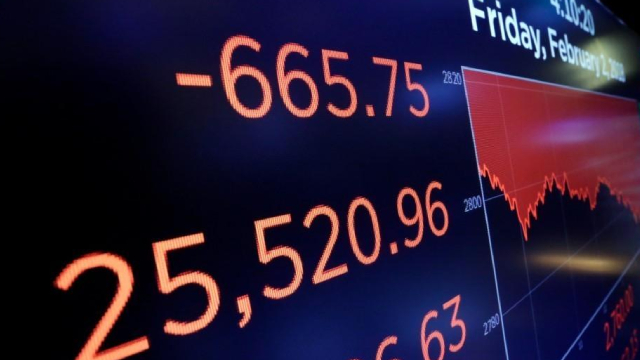
Stocks rallied during the overnight trading session on Wednesday as the latest inflation print offered some hopeful news. Wall Street celebrated on Wednesday as the Consumer Price Index came in below analysts' expectations and showed that inflation eased last month to its slowest pace in over two years.
If markets celebrate this week's CPI release, investors may want to focus on the night session to capture greater returns. The night effect is a persistent phenomenon where equities have historically performed better during the night session when local exchanges are closed than during the day when markets are open.
It's important that advisors using the night effect in portfolios can explain the phenomenon to clients. Advisors can leverage the night effect to enhance risk-adjusted returns for clients.