
Loading…
Loading…

WNDY (Global X Wind Energy ETF) is no longer actively trading.
This usually means the company was acquired and taken private, delisted from its exchange, or its ticker has been retired. Every price, valuation, dividend, and analyst figure on this page is frozen at the last available trading session and reads as historical reference — not a current-day signal.

See exactly how WNDY's revenue becomes profit — a Sankey that traces revenue (and its reported segments) through gross profit, operating expenses, and net profit, with the year-over-year change on every line.
The same diagram the Chart Builder draws, right on the Summary tab. Upgrade to unlock it for WNDY and 80,000+ other tickers.
This investment vehicle directs a substantial portion—at least 80%—of its total capital, plus any funds borrowed for investment, into the components of its reference index. This includes direct holdings as well as American and Global Depositary Receipts representing those same index constituents. The reference index itself is structured to offer exposure to businesses poised to thrive from ongoing innovations in wind power generation. Importantly, this fund is classified as non-diversified.

Here are a few ETFs that have survived the recent turmoil and gained in double digits over the past month.

Despite many governments and activists worldwide stating that renewable energy is the future, several companies that have invested in the industry have started to struggle. This has culminated in a few renewable energy stocks to sell to avoid portfolio losses.

The price of energy, particularly in the consumer marketplace, can be a major driver of inflation. After all, the type of energy a region or country depends upon has the potential to greatly impact the cost of its goods and services.
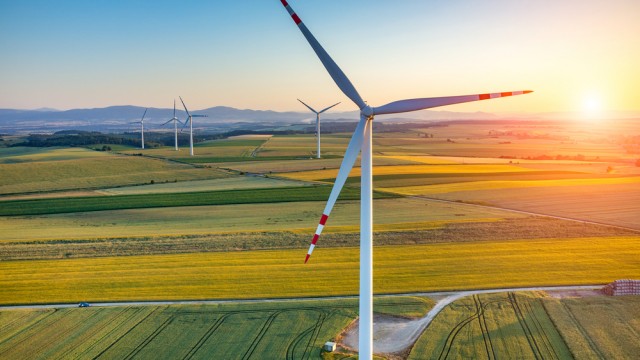
Investors who piled into clean energy themes the last few years are experiencing some performance pain this year, as we appear to be experiencing a detour on the road to the clean energy transition. Related themes have been hard hit this year due to a confluence of events.

While there are notable challenges, particularly in the U.S., the long-term outlook for the global wind market remains positive, driven by strong growth in offshore wind capacity and supportive government policies in various regions.