
While Amazon's price-to-earnings ratio has fallen steeply since 2024, the ratios of Costco and Walmart have moved higher. The reasoning behind these moves makes sense, too.

Walmart's fast-growing ad business boosts its higher-margin mix as digital sales scale, though Vibe costs are likely to pressure fiscal 2027 profit growth.

The summer's biggest retail sales events did more than create a larger shopping crowd. Their overlap also changed who showed up, how much they spent and how consumers moved between retailers.

SmartCentres trades near NAV, with a fair value per unit of C$35 and current price reflecting a higher discount rate scenario. SRU.UN's AFFO covers its 6.75% yield, with surplus supporting development; recent lease renewals show positive spreads, notably 12% excluding anchor tenants. Refinancing C$550M unsecured debt in 2027 at higher rates will raise annual interest cost by C$5.5–6M, but maturities are well-staggered.

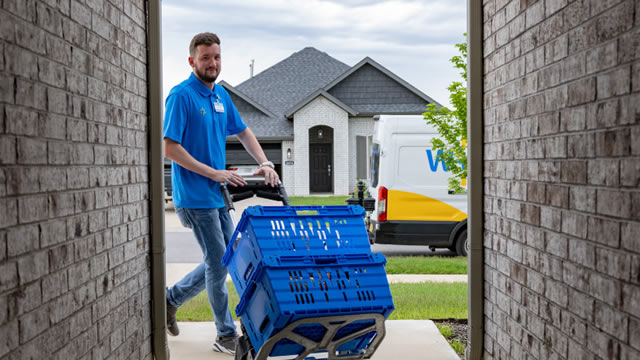
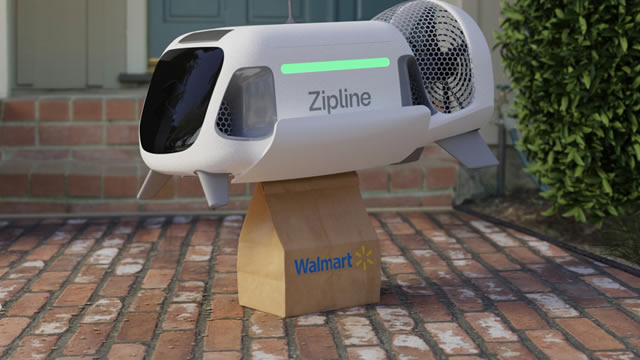
Walmart's plan to start delivery from Dunkin' to customers homes builds on a deal earlier this year for Subway sandwiches, throwing down the gauntlet at rival food delivery services like Uber Eats and DoorDash. Walmart's biggest advantage is 90 percent of Americans are within 10 miles of one of its stores, and the biggest benefit Walmart gets may be incremental and more frequent grocery orders.

Walmart's move into restaurant delivery is another expansion from selling general merchandise. Since Sam Walton, the retail giant has placed big bets on new lines of business inspired by others.

BAM Wealth Management LLC cut its position in shares of Walmart Inc. (NASDAQ: WMT) by 56.1% in the second quarter, according to its most recent 13F filing with the Securities and Exchange Commission (SEC). The institutional investor owned 7,626 shares of the retailer's stock after selling 9,730 shares during the period. BAM Wealth

Looking back on the latest earnings season for retail stocks, an unusual K-shaped pattern emerges: lower-income households appear to be struggling, with some value stores having a difficult time reconciling their low prices against increasingly costly inventory. At the same time, though, a handful of specialized stores, including homeowner and contractor supply chains, have had unexpected strong quarters in numerous respects.