
Loading…
Loading…


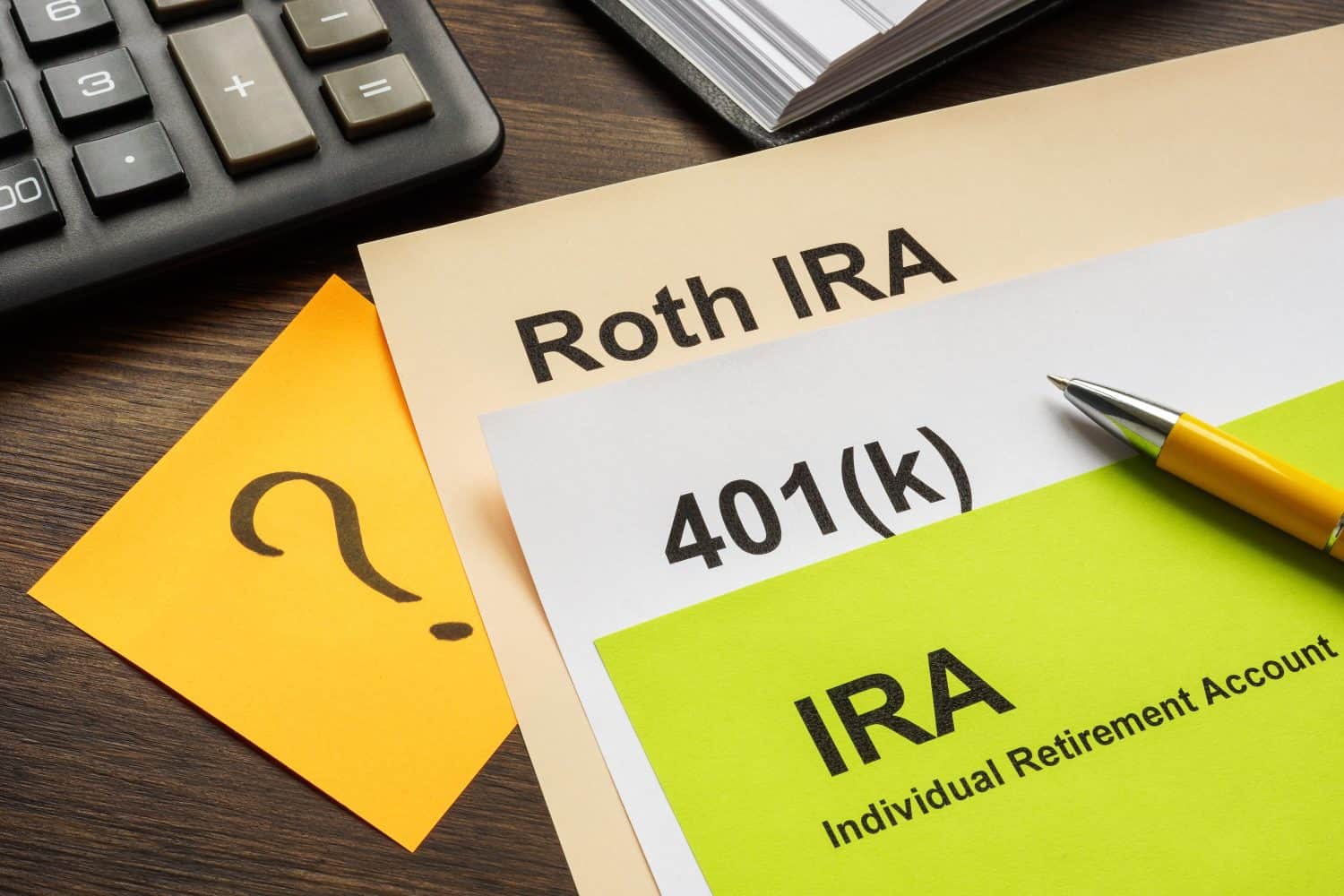
Where you park a bond fund matters just as much as which fund you pick, and most investors get the pairing backwards in ways that quietly drain returns every single year.

Retirement income arrives without automatic tax withholding, and most retirees discover that gap for the first time when April hands them a bill they never budgeted for. Three ETFs can close that gap before it happens again.

Two retirees hold the exact same seven positions at the exact same balance, yet one will pay a Medicare premium surcharge on top of a growing forced withdrawal while the other never triggers either. The difference comes down entirely to sequencing.

HB Wealth Management LLC boosted its stake in shares of Vanguard Tax-Exempt Bond ETF (NYSEARCA:VTEB) by 40.4% during the second quarter, according to the company in its most recent filing with the Securities and Exchange Commission (SEC). The firm owned 48,611 shares of the company's stock after acquiring an additional 13,980 shares

Holding a popular bond ETF in a taxable brokerage account could be quietly draining far more from your retirement portfolio than you realize, and most retirees with a classic 60/40 allocation never see it coming.

Washington quietly chips away at Social Security through taxes and Medicare premiums before retirees ever see the money, but four ETFs attack that cash-flow problem from four completely different directions.

Vanguard Tax-Exempt Bond ETF (VTEB) edges out iShares National Muni Bond ETF (MUB) as the preferred broad municipal bond ETF for high-tax-bracket investors. VTEB offers broader diversification, a slightly better expense ratio (0.03% vs. 0.05%), and a modest historical performance advantage over MUB. Tax-equivalent yields make VTEB especially attractive for investors in higher tax brackets, but suitability depends on individual tax situations and account types.

If you own the iShares National Muni Bond ETF (NYSEARCA:MUB), you likely bought it for one reason: federally tax-exempt income at a rock-bottom price.