
Loading…
Loading…



Seven months into the Iran war, crude has once again touched above $105 a barrel, just weeks after trading as low as $68. Refined-product markets have tightened systemically, forcing commodity desks to abandon the models they relied on when hostilities began.
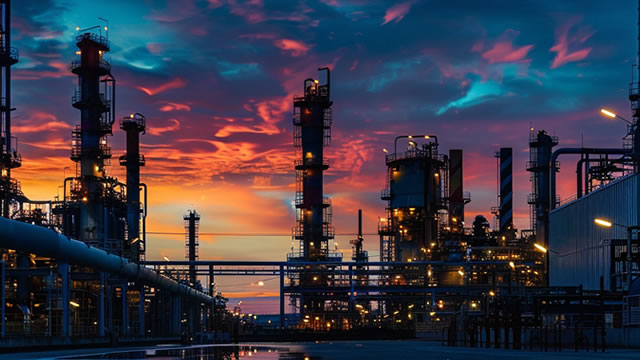
European Union finance ministers will discuss on Friday whether to impose an EU-wide windfall tax on energy companies benefiting from a surge in oil and gas prices following the closure of the Strait of Hormuz, with further talks expected in October.
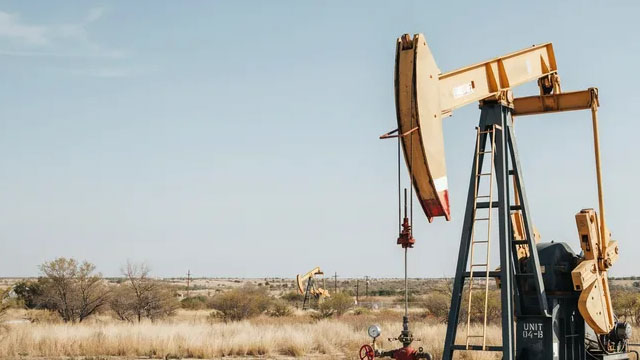
Oil prices fell for a third day Friday, with WTI crude slipping below $100 a barrel as expectations of restored Saudi pipeline flows eased immediate supply concerns.
Reserve Bank of Australia governor Michele Bullock has warned that upside risks to inflation are beginning to materialise, raising the prospect that interest rates may need to rise again despite signs the Australian economy is slowing. Speaking before the House of Representatives Standing Committee on Economics on Friday, Bullock said higher oil prices, the Middle East conflict, the global artificial intelligence investment boom and lingering domestic capacity constraints were adding to inflation pressures.
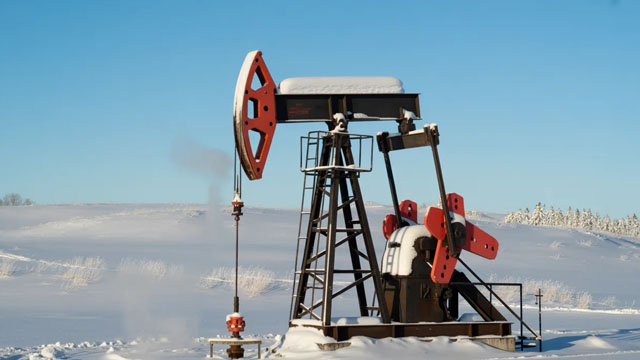
Oil prices fell around 1% as additional Saudi crude supplies helped ease disruption fears. Fresh Saudi-Houthi strikes raised concerns that the widening Middle East conflict could further threaten energy supplies.

Oil prices fell about 1%, extending losses for a third session, but stayed above $100 on Friday, as hopes of alternate ways for barrels from the Middle East to reach markets outweighed concerns about strikes between Saudi Arabia and Yemen's Houthis.
Oil was lower in early Asian trade, as supply fears fueled by the outage of Saudi Arabia's East-West pipeline ease.

Gold gained. The yellow metal likely climbed as the pullback in oil prices eased concerns around inflation and future rate hikes by the Federal Reserve, said ANZ.