
Loading…
Loading…

RWED (Direxion MSCI Emerging Over Developed Markets ETF) is no longer actively trading.
This usually means the company was acquired and taken private, delisted from its exchange, or its ticker has been retired. Every price, valuation, dividend, and analyst figure on this page is frozen at the last available trading session and reads as historical reference — not a current-day signal.

RWED does not currently pay a dividend.
See exactly how RWED's revenue becomes profit — a Sankey that traces revenue (and its reported segments) through gross profit, operating expenses, and net profit, with the year-over-year change on every line.
The same diagram the Chart Builder draws, right on the Summary tab. Upgrade to unlock it for RWED and 80,000+ other tickers.
This exchange-traded fund (ETF) seeks to replicate the returns of the MSCI Emerging Markets IMI - EAFE IMI 150/50 Return Spread Index, prior to deducting any management fees or operational expenses. Under typical market conditions, the fund commits a minimum of 80% of its total net assets (which may include capital acquired through borrowing for investment purposes) to either the individual securities or shares of other ETFs that constitute the index's "Long Component." The reference index itself is structured to reflect a portfolio with a 150% long exposure to the MSCI Emerging Markets IMI…
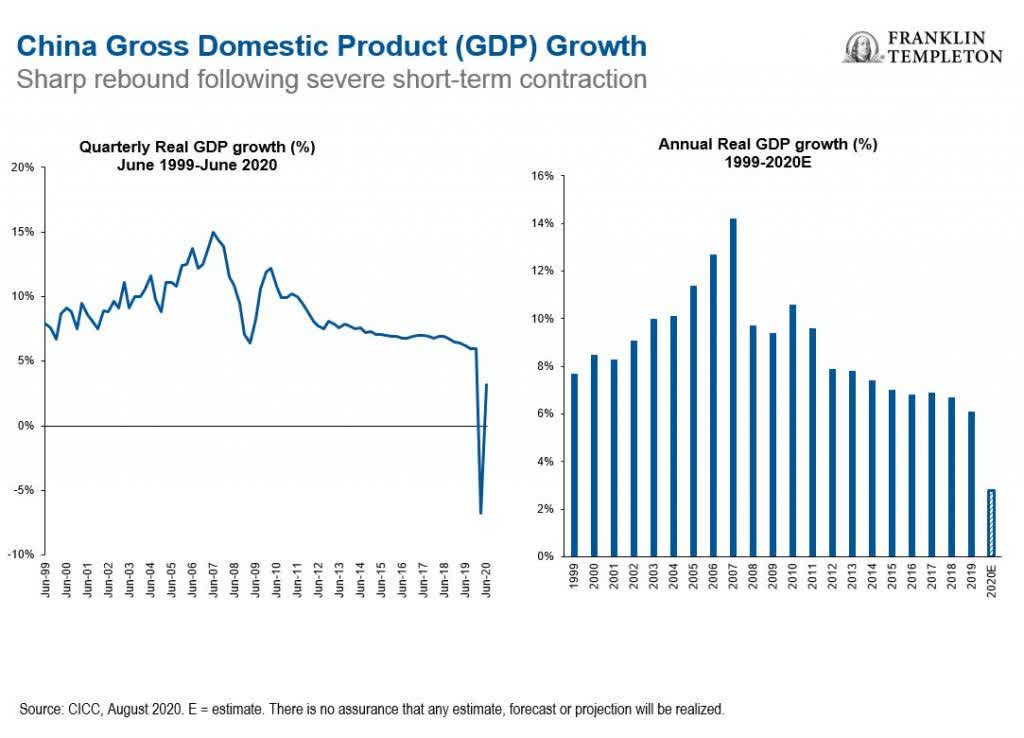
Asian markets rose in August to seal the best regional performance in EMs. Stocks in China, India and Indonesia posted notable gains.

Allocating to smaller companies can help broaden an EM allocation by providing a different mix of exposures to opportunities across countries and sectors.
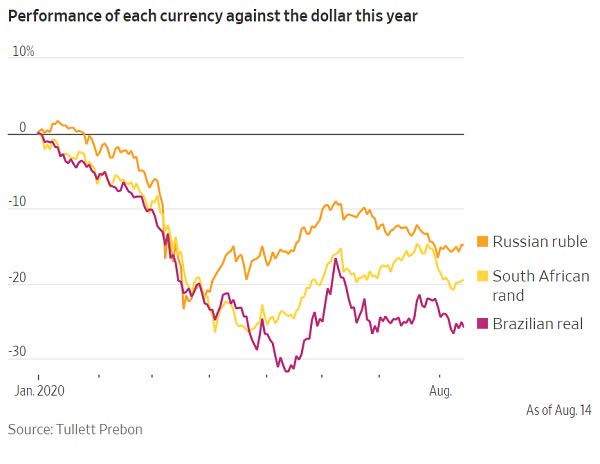
Back in the simpler days of 2019, there was this (now completely forgotten) impending crisis in which emerging market countries' dollar-denominated debt was going to blow up their - and by extension the rest of the world's - economies.
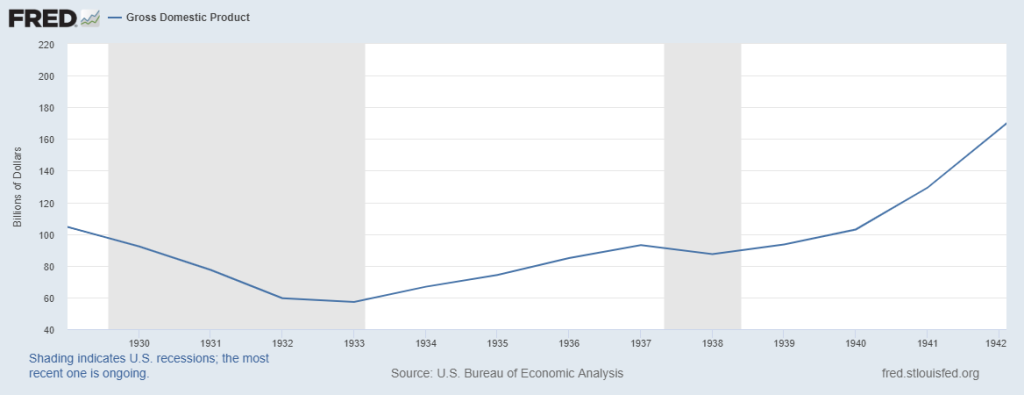
Defining a depression as opposed to a recession is open to wide interpretation. Recessions are a natural part of the credit cycle.
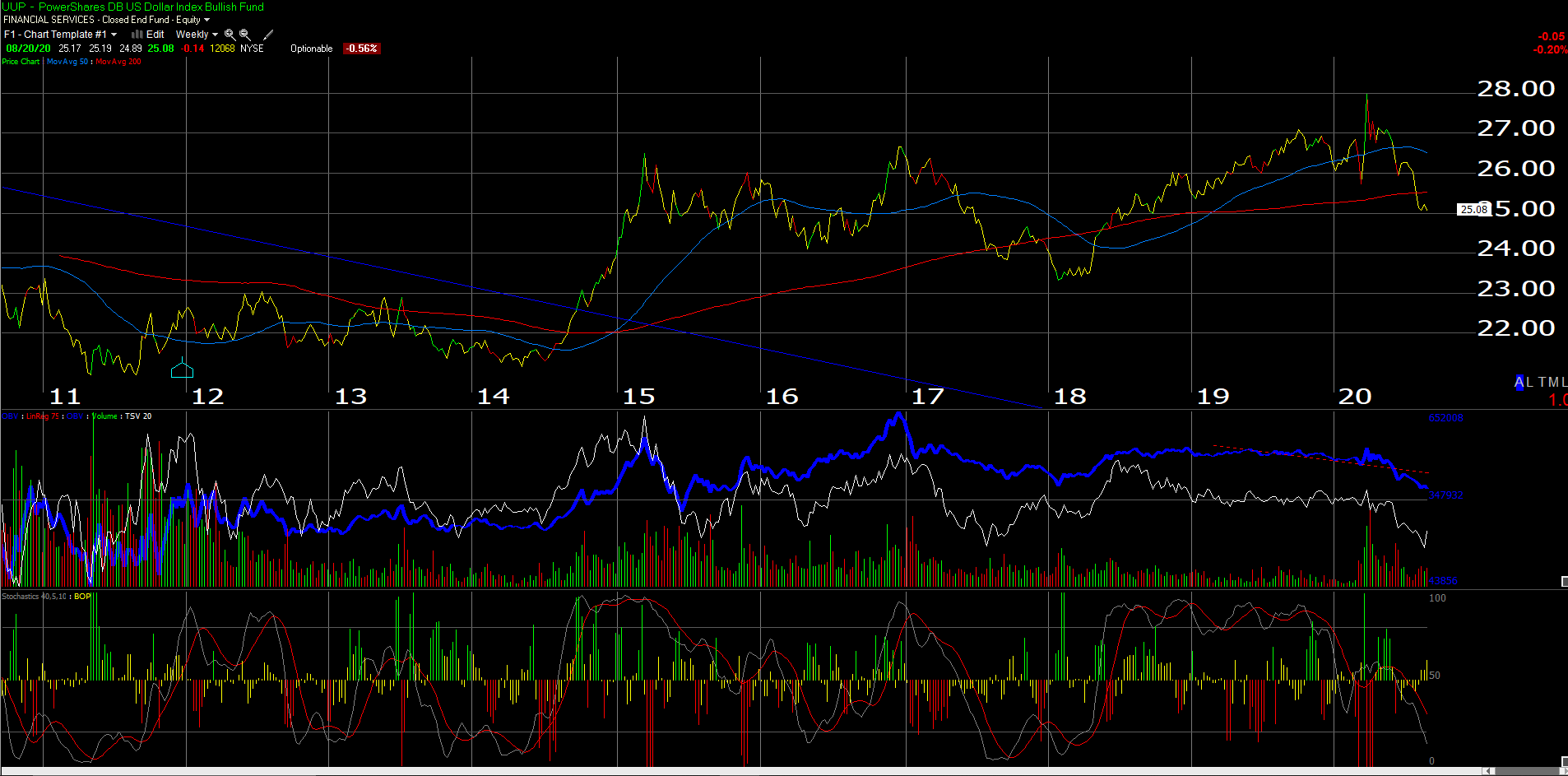
The emerging markets had a solid July 2020, up roughly 7% depending on the proxy you use. VWO and OAKIX represent uncorrelated holdings for the growthier positions in client accounts.