
Loading…
Loading…



Oil declined in early Asian trade but remains above $100 a barrel as the Middle East conflict continues to squeeze supply.
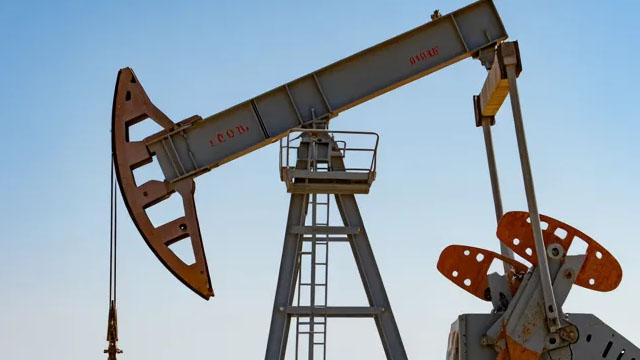
Oil prices fell on Wednesday after an unexpected build in U.S. crude inventories, while investors assessed supply risks after Saudi Arabia suspended oil loadings at its Yanbu port following an attack on its East-West pipeline to the Red Sea.

WTI approaches major $110 resistance as its rising channel keeps higher targets, including $119, in play.

Oil is increasingly calling the tune in global markets as rising energy prices make investors nervous.

Plus, 10-year Treasury yield briefly hits 2007 levels and the Senate deals a blow to crypto industry
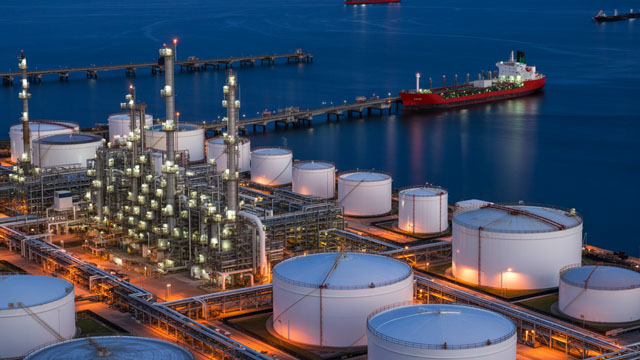
Prices for some physical oil cargoes in Europe have jumped to more than $130 a barrel on Tuesday, approaching record highs reached in April, as buyers rush to find alternatives to Middle East supplies facing increasing disruptions from intensifying conflict in the region.

Oil futures rose amid market pessimism about flows out of the Middle East following the outage of a key Saudi pipeline and the increased Houthi threat to Red Sea shipping.

Francisco Blanch, commodities and derivatives research head at BofA Securities, says Brent oil prices could climb as high as $150 a barrel if critical infrastructure, like Saudi Arabia's East-West pipeline, "is hit on a more permanent basis." Blanch speaks on Bloomberg Television.