
Loading…
Loading…

PFF is a hybrid capital security, not common stock.
This listing is a capital note, preference share, or similar instrument associated with iShares Preferred and Income Securities ETF. Data providers report company-level figures against it, so fundamentals, valuation multiples, and dividend history on this page describe the issuing company — not this instrument — and its market capitalization cannot be computed reliably, so it is not shown. The quoted price is the instrument's own.


Generating over $100,000 a year in dividends sounds like a goal reserved for the ultra-wealthy, but the capital you actually need depends entirely on a tradeoff most investors never think to calculate before building their portfolio.
Most people compare an annuity payout rate to a dividend yield as if both measure the same thing, but that one mistake poisons the entire decision before a single dollar moves.
A $7,600 monthly paycheck from dividends sounds like a fixed target, but the capital you need to hit it swings wildly depending on one decision you make before you buy a single share.
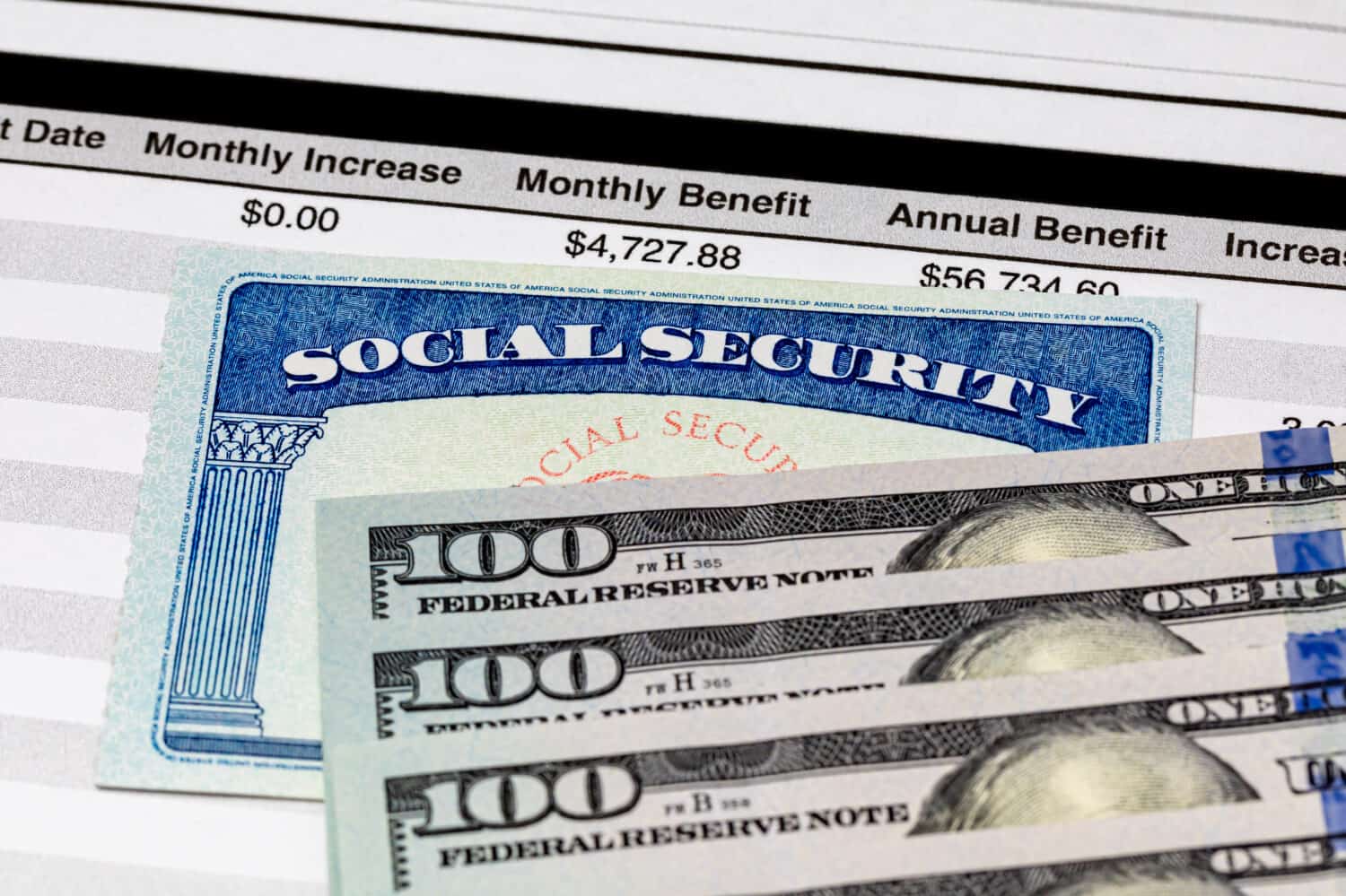
Most retirees assume dividend income is the safe, predictable answer to a shrinking Social Security check, but the yield tier you pick quietly determines whether your income grows, flatlines, or arrives on a schedule that bears no resemblance to a monthly paycheck.

High-yielding investments that pay out cash flow monthly can be powerful passive income machines. When they are on sale and have a track record of total return outperformance, they are even more compelling. I detail two of these opportunities that are on sale right now.
Treasury yields are climbing fast, and some of the most popular income ETFs on the market are quietly becoming traps for unsuspecting investors chasing yield.
A five-ETF portfolio can deposit a serious monthly paycheck without touching the principal, but the age of the person collecting it changes everything about whether this setup actually works.
Waiting three years to claim Social Security could reshape your retirement finances forever, but only if you can afford to wait. One critical number determines whether holding out pays off, and three ETFs might be the bridge that gets you there.