
Loading…
Loading…

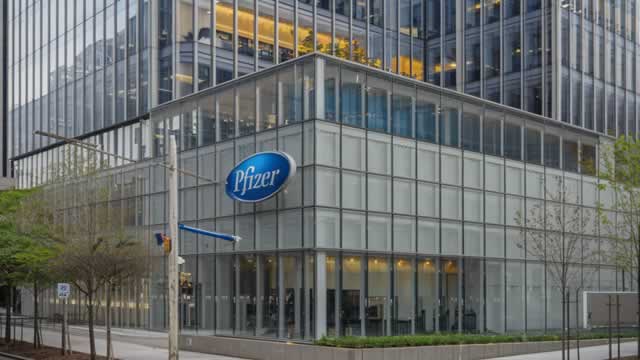
Pfizer is one of the world's best-known drug companies, offering a well-above-market dividend yield. The company is facing typical industry headwinds, which make the dividend look risky.

Medicus Pharma (NASDAQ:MDCX) earlier this week outlined progress across its SkinJect program and a co-development and licensing opportunity with Pfizer, with CEO Raza Bokhari highlighting clinical, partnership and funding developments as the company sharpens its focus on precision oncology and capital-efficient drug development. Bokhari said final SkinJect results published on ClinicalTrials.gov had confirmed the 200-microgram patch as the dose to be taken forward into further registrational studies.

Holding high-yield dividend stocks like BDCs and REITs in the wrong account silently erases hundreds of dollars every year, and most investors never see it happening until they run the actual numbers.

One company is scaling revenue rapidly but burning cash; the other is pioneering gene therapy with minimal sales and massive losses.

Treasury yields are making income investors work harder than they have in years, and most dividend stocks no longer clear the bar. Six still do, but yield alone is the easy part of the analysis.

Novavax NASDAQ: NVAX executives outlined the company's transition from a COVID-19 vaccine-focused business toward a partnership-driven model centered on its Matrix-M adjuvant technology, with near-term attention on Sanofi's commercial rollout of NUVAXOVID, combination vaccine development and early oncology research.
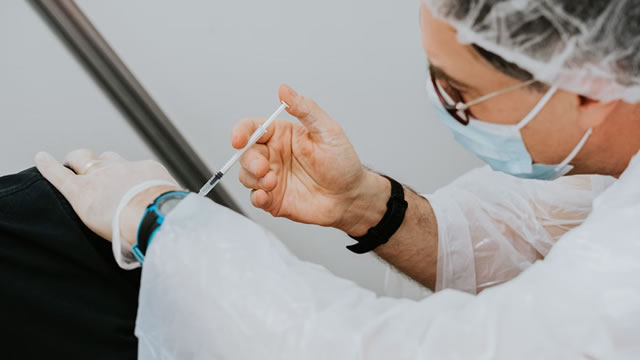
Pfizer (PFE) remains a strong buy as guidance is reaffirmed and raised, with acquired assets compounding at 18% operationally. PFE's pipeline strength is evident, especially in obesity (berobenatide) and Vyndamax, providing a bridge over the 2028 LOE trough. Valuation is highly attractive: P/E of 9.11, EV/EBITDA of 8.29, and a 6.19% dividend yield, with disciplined capital allocation.

California State Teachers Retirement System lifted its holdings in Pfizer Inc. (NYSE: PFE) by 2,320.6% in the second quarter, according to the company in its most recent disclosure with the SEC. The institutional investor owned 217,981,455 shares of the biopharmaceutical company's stock after purchasing an additional 208,976,273 shares during the quarter. California State