
Loading…
Loading…


See exactly how PAPR's revenue becomes profit — a Sankey that traces revenue (and its reported segments) through gross profit, operating expenses, and net profit, with the year-over-year change on every line.
The same diagram the Chart Builder draws, right on the Summary tab. Upgrade to unlock it for PAPR and 80,000+ other tickers.
The Innovator U.S. Equity Power Buffer ETF (PAPR) is engineered to mirror the performance of the SPDR S&P 500 ETF Trust (SPY), albeit with its maximum gains limited by a preset ceiling. Concurrently, it shields investors from the first 15% of potential market losses over a defined period. This ETF is designed for continuous investment, as its protective buffer and growth cap are recalibrated at the conclusion of each approximately annual cycle.

Unlike a traditional ETF, PAPR does not actually hold stocks. Instead, it holds a portfolio of index options designed to produce a specific risk and return profile over a defined period.
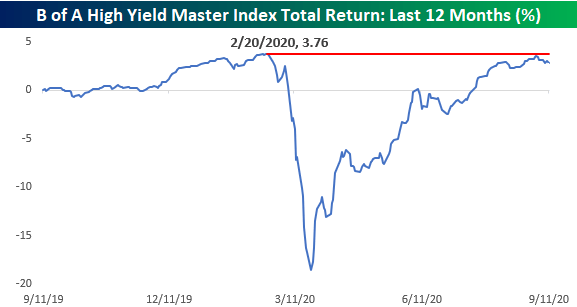
Performance in the high yield market hasn't been quite as strong as the S&P 500. While total return levels in the high yield market are important to track, spreads in high yield debt relative to treasuries provide a more useful barometer.
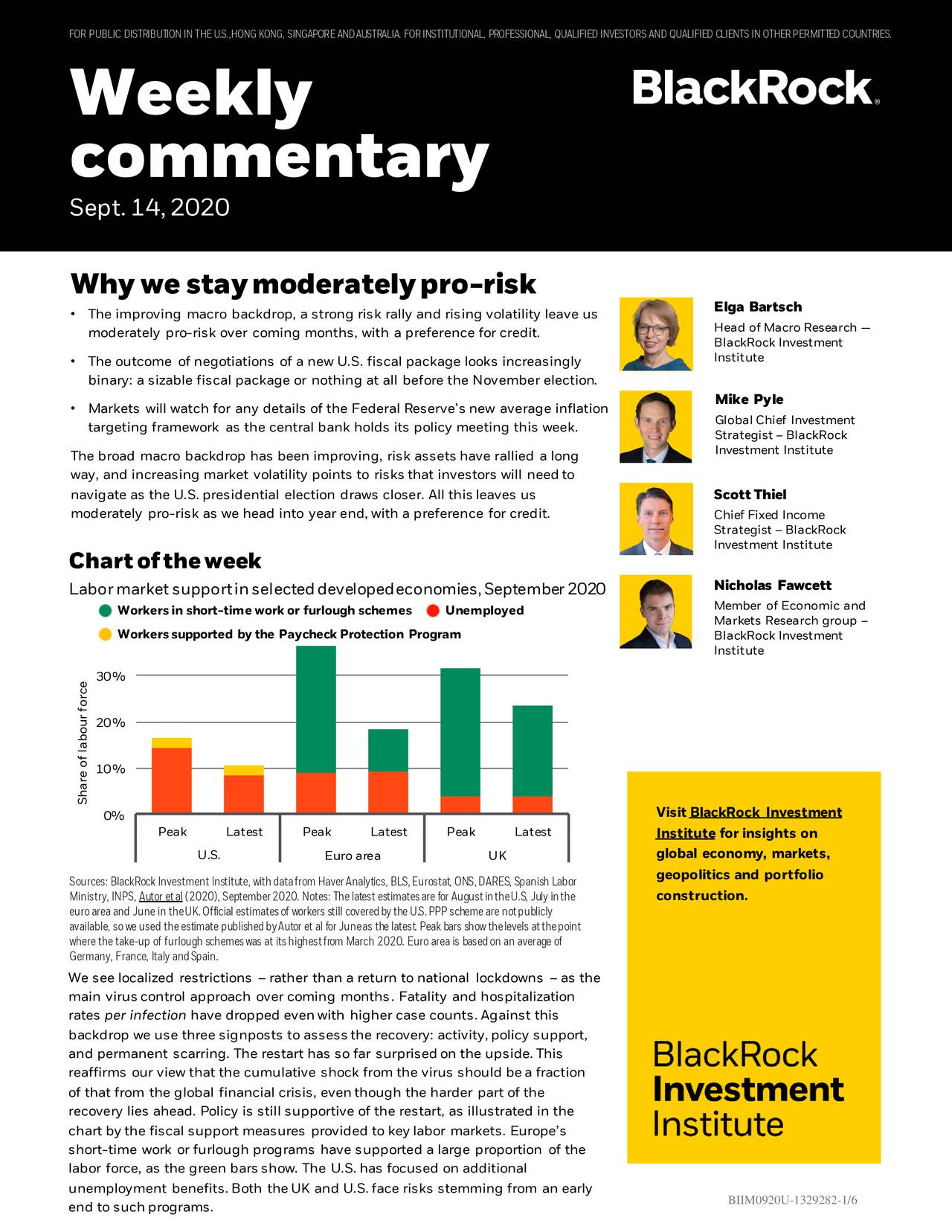
The improving macro backdrop, a strong risk rally and rising volatility leave us moderately pro-risk over coming months, with a preference for credit.
With his ATAC Rotation Fund (ATACX) up 58% YTD, Michael Gayed explains how he uses historically proven leading indicators of volatility to generate outsized returns.
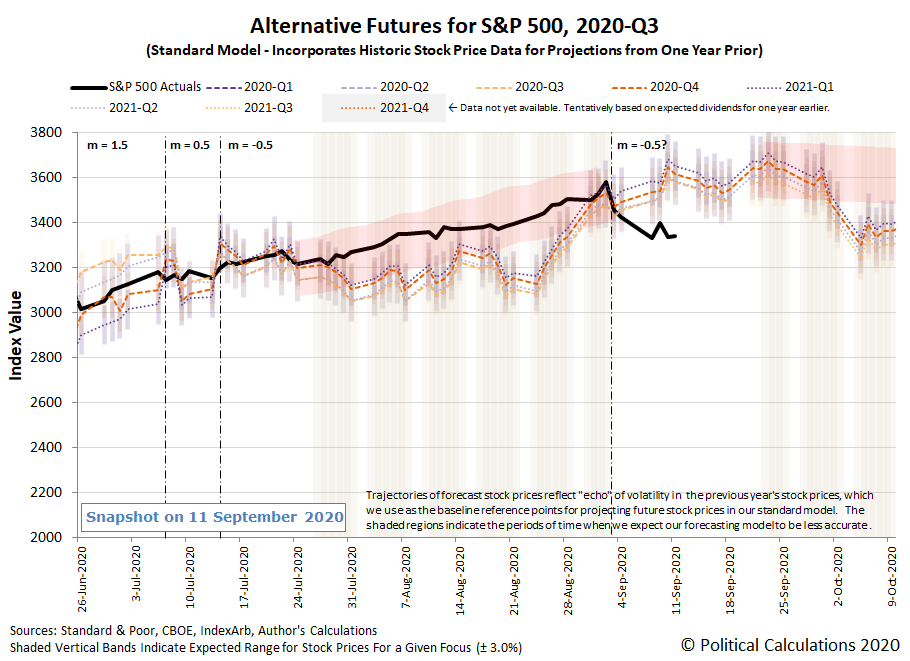
2020's summer rally for the S&P 500 (Index: SPX) came to a crashing end on September 3, 2020. When did SoftBank's 'NASDAQ whale' start this rally-juicing strategy? Looking forward, the upcoming week will hopefully provide enough additional data for us to more firmly estimate the value of the amplification factor..