
Loading…
Loading…



Altria Group (NYSE:MO | MO Price Prediction) reports third-quarter results before the open on October 29. The stock is up 35.

Eight of the fourteen highest-yield 'Safer' Big BBB Dogs, including Suburban Propane, Verizon, and Realty Income, currently meet the dogcatcher ideal for buyable dividend value. Analyst 1-year targets project average net gains of 23.91% for the top ten BBB stocks, with risk/volatility 26% below the market average. Dividend safety is highlighted by positive free cash flow yields exceeding dividend yields for the 'safer' group, while eight names show negative free cash flow margins and are considered unsafe.

With a 5.8% yield, Altria is one of the highest-yielding stocks in the S&P 500. Altria is a Dividend King, with 57 consecutive years of annual payout increases.

Four high-yield giants are heading into year-end with payouts their own profits can cover, but each one carries a specific risk that could change the math fast.
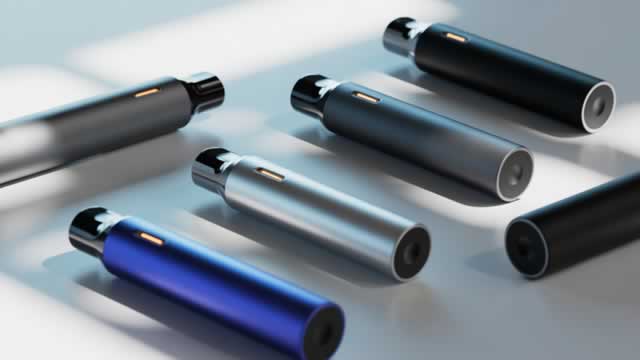
Altria (MO) concluded the recent trading session at $74.37, signifying a -2.23% move from its prior day's close.

Helix Innovations LLC, an operating company of Altria Group, Inc. (Altria) (NYSE: MO), today announced the winners of on! nicotine pouches' inaugural on!vitat

Altria sends nearly all of its earnings straight to shareholders, leaving almost nothing in reserve, yet the board just approved another dividend raise. Understanding what keeps that math from falling apart reveals everything about whether the 5.
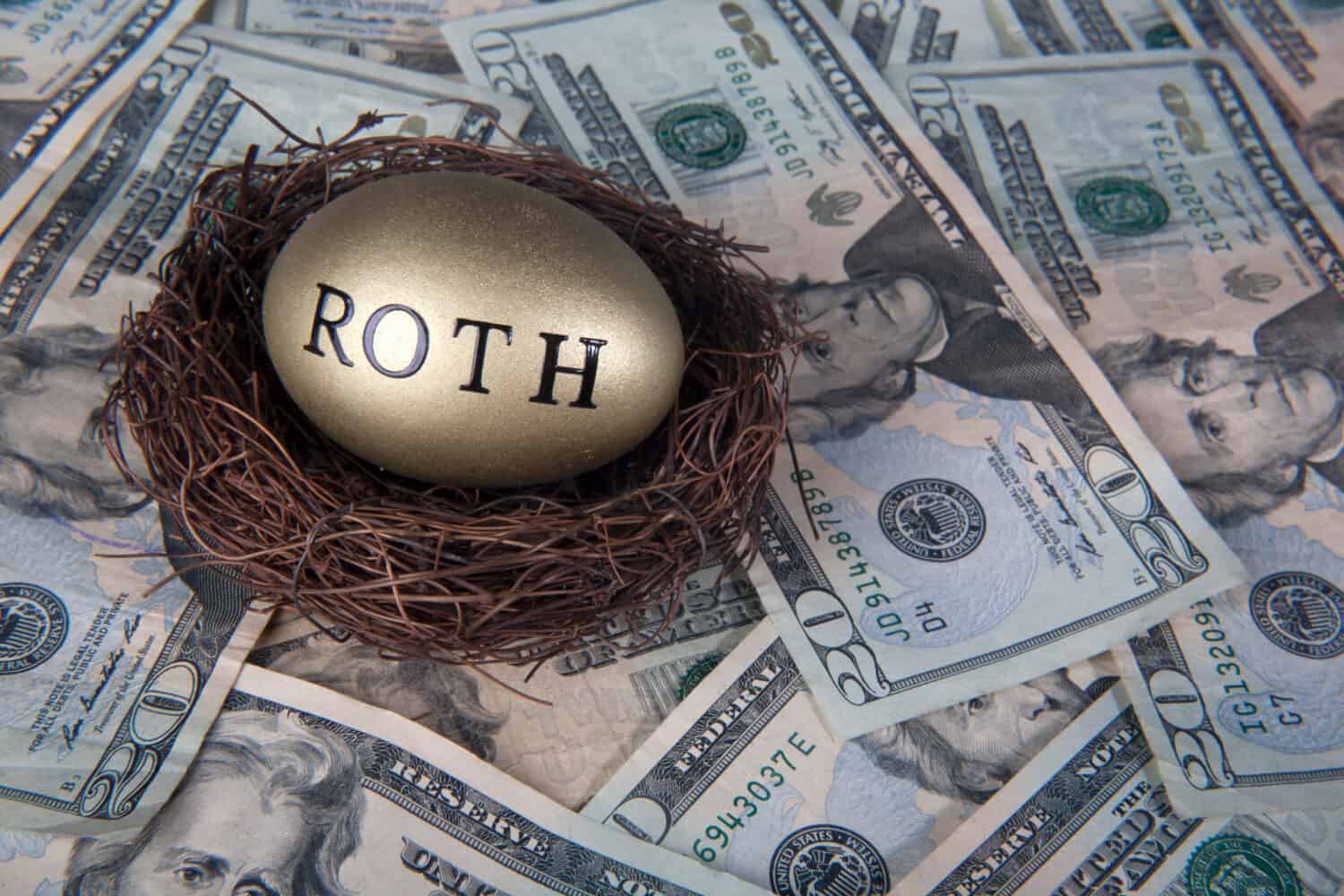
Where you park a high-yield dividend portfolio matters as much as what you put in it, and the difference between the right account and the wrong one can quietly compound into a six-figure gap over two decades.