Loading…
Loading…

Sell-side consensus EPS, revenue estimates, YoY growth, forward P/E, and per-year analyst coverage, for any covered stock.
TapClick below to see what's inside, then upgrade to unlock for this and 80,000+ other tickers.
A year-by-year projected price path from the sell-side EPS consensus, with an editable target P/E and the implied annual return from today's price.
TapClick below to see what's inside, then upgrade to unlock for KHC and 80,000+ other tickers.
See price against where its own fundamentals say it should trade. The shaded gap is the discount or premium, across five valuation lenses.
TapClick below to see what's inside, then upgrade to unlock for KHC and 80,000+ other tickers.
See exactly how KHC's revenue becomes profit: a Sankey that traces revenue (and its reported segments) through gross profit, operating expenses, and net profit, with the year-over-year change on every line.
The same diagram the Chart Builder draws, right on the Summary tab. Upgrade to unlock it for KHC and 80,000+ other tickers.
The Kraft Heinz Company, along with its subsidiaries, operates as a global entity focused on the manufacturing and marketing of a broad spectrum of food and beverage products. Its reach extends across key markets such as the United States, Canada, and the United Kingdom, as well as numerous other international territories. The company's diverse product offerings include popular condiments and sauces, a variety of cheese and dairy items, prepared meals, meat products, and refreshing beverages. Additionally, its portfolio features coffee, an assortment of healthy snacks, salad dressings…
Two packaged-food giants both bleed red ink on paper, both offer yields that would make most retirees salivate, yet one has already slashed its payout while the other keeps insisting it won't.
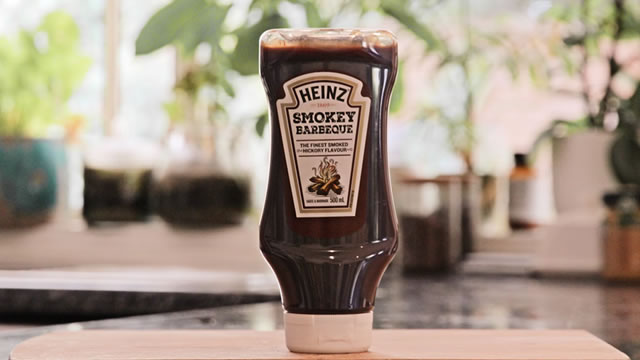
In the latest trading session, Kraft Heinz (KHC) closed at $24.8, marking a -1.16% move from the previous day.
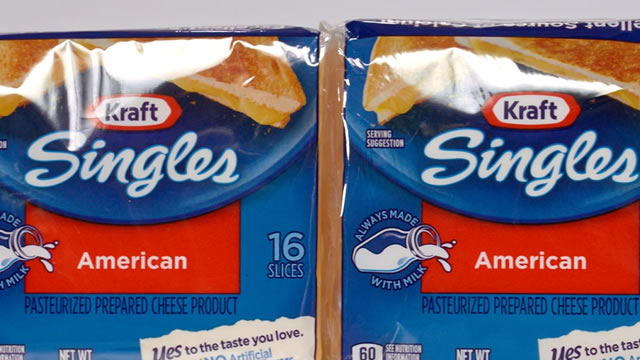
Kraft Heinz's stock price is down more than 35% over the past five years. The stock's dividend yield is approaching 7% as the company continues to pay a quarterly dividend of $0.40 per share.

Five household grocery names faced the same brutal pressures, but their dividends went in three different directions. The balance sheet details behind each decision reveal which income payouts are built to last and which still carry hidden risk.