
Loading…
Loading…

JHMT (John Hancock Multifactor Technology ETF) is no longer actively trading.
This usually means the company was acquired and taken private, delisted from its exchange, or its ticker has been retired. Every price, valuation, dividend, and analyst figure on this page is frozen at the last available trading session and reads as historical reference — not a current-day signal.

See exactly how JHMT's revenue becomes profit — a Sankey that traces revenue (and its reported segments) through gross profit, operating expenses, and net profit, with the year-over-year change on every line.
The same diagram the Chart Builder draws, right on the Summary tab. Upgrade to unlock it for JHMT and 80,000+ other tickers.
The fund customarily commits at least 80% of its net assets, including any capital borrowed for investment, to the holdings that constitute its associated index. This index specifically targets technology sector companies within the U.S. market. These companies must possess market capitalizations greater than the 1,001st largest U.S. firm, a criterion assessed at the time of the index's reconstitution. Notably, the fund operates on a non-diversified basis.

While 2020 may feel like a “this time it's different” year, the reality is the core underpinnings of what makes for a winning portfolio haven't changed: controlling expenses, managing your taxes, and most importantly, having the right exposures for the current market regime. But with wild swings in both sectors and factors, how do you [.

Investors have been on a wild ride over the past week as tech stocks plunged, dragging down major global indexes with them.
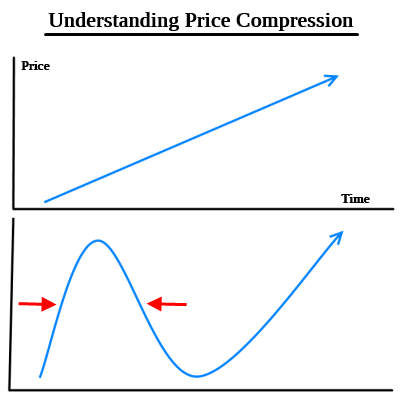
Markets tend to be more inefficient in the short term and more efficient in the long term. One way of thinking about this is that the information we obtain in the short term tends to be incomplete.

There's an annoying voice in the back of my head that the fun-loving technology Samaritans can't help me override.
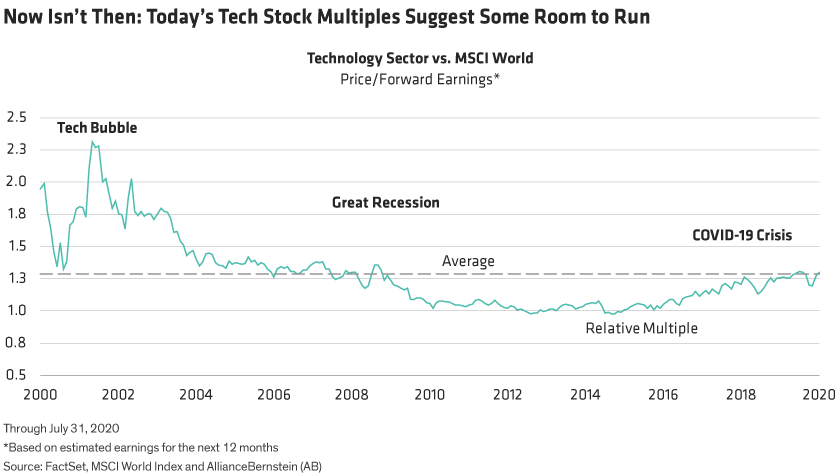
Strong gains have pushed up valuations of technology stocks. In the market's current earnings season, information technology companies are among very few reporting year-over-year revenue growth and earnings growth.