
Loading…
Loading…

JHMF (John Hancock Multifactor Financials ETF) is no longer actively trading.
This usually means the company was acquired and taken private, delisted from its exchange, or its ticker has been retired. Every price, valuation, dividend, and analyst figure on this page is frozen at the last available trading session and reads as historical reference — not a current-day signal.

See exactly how JHMF's revenue becomes profit — a Sankey that traces revenue (and its reported segments) through gross profit, operating expenses, and net profit, with the year-over-year change on every line.
The same diagram the Chart Builder draws, right on the Summary tab. Upgrade to unlock it for JHMF and 80,000+ other tickers.
The fund primarily allocates at least 80% of its total assets, including any capital acquired through borrowing, to the individual securities that comprise its underlying benchmark index. This index is constructed to feature U.S.-based companies exclusively within the financial sector. A key criterion for inclusion in the index is that these companies must possess a market capitalization larger than that of the 1001st biggest U.S. enterprise at the point of each periodic index rebalancing.

The Davis Way: High Conviction, Benchmark Agnostic, Fully Transparent, Active ETFs (Podcast Transcript)

While 2020 may feel like a “this time it's different” year, the reality is the core underpinnings of what makes for a winning portfolio haven't changed: controlling expenses, managing your taxes, and most importantly, having the right exposures for the current market regime. But with wild swings in both sectors and factors, how do you [.
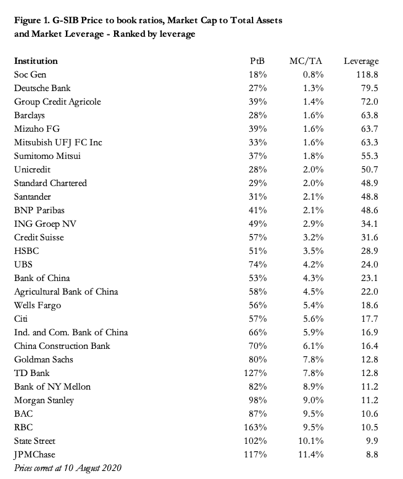
We can now identify March 23 as the date when markets stopped worrying about deflation and realised that monetary inflation is the certain outlook.
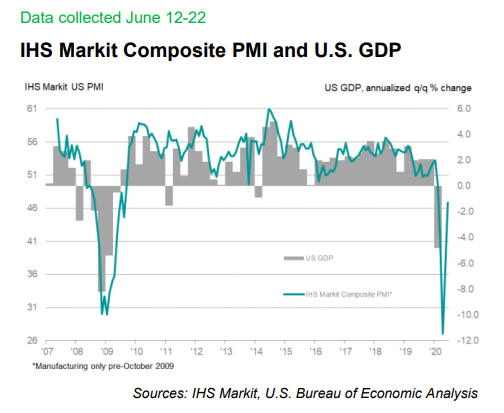
This is a weekly series focused on analyzing the previous week’s economic data releases. The objective is to concentrate on leading indicators of economic activ
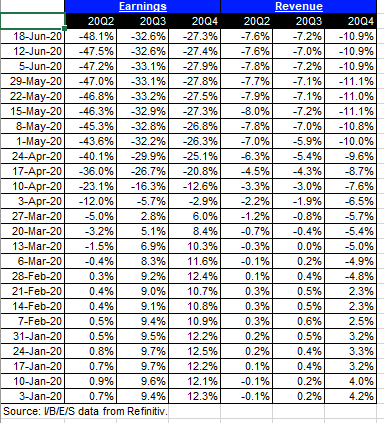
For Financial and the S&P 500 as a whole, it is widely expected that Q2 '20 will be the nadir for S&P 500 earnings and revenue growth. Financial, as a percentag