
Loading…
Loading…

IIGV (Invesco Investment Grade Value ETF) is no longer actively trading.
This usually means the company was acquired and taken private, delisted from its exchange, or its ticker has been retired. Every price, valuation, dividend, and analyst figure on this page is frozen at the last available trading session and reads as historical reference — not a current-day signal.

See exactly how IIGV's revenue becomes profit — a Sankey that traces revenue (and its reported segments) through gross profit, operating expenses, and net profit, with the year-over-year change on every line.
The same diagram the Chart Builder draws, right on the Summary tab. Upgrade to unlock it for IIGV and 80,000+ other tickers.
This fund typically dedicates a minimum of 80% of its overall assets to holdings that are part of its reference index. The reference index is constructed to offer investors exposure to U.S. investment-grade bonds that are considered to have higher value, specifically incorporating those with the top "quality scores" identified by the index's administrator from the pool of eligible U.S. investment-grade fixed income options.

Investors' appetite for ETFs is only growing, and that includes a growing interest in bond funds. Invesco offers up three (among many) for consideration.

When the Federal Reserve stepped in to backstop the bond markets back in April, companies felt it safe to go back into the bond issuance waters and take on more debt. With 2021 a global vaccine on the way, less companies could be issuing debt, which might prop up the Invesco Investment Grade Defensive ETF [.
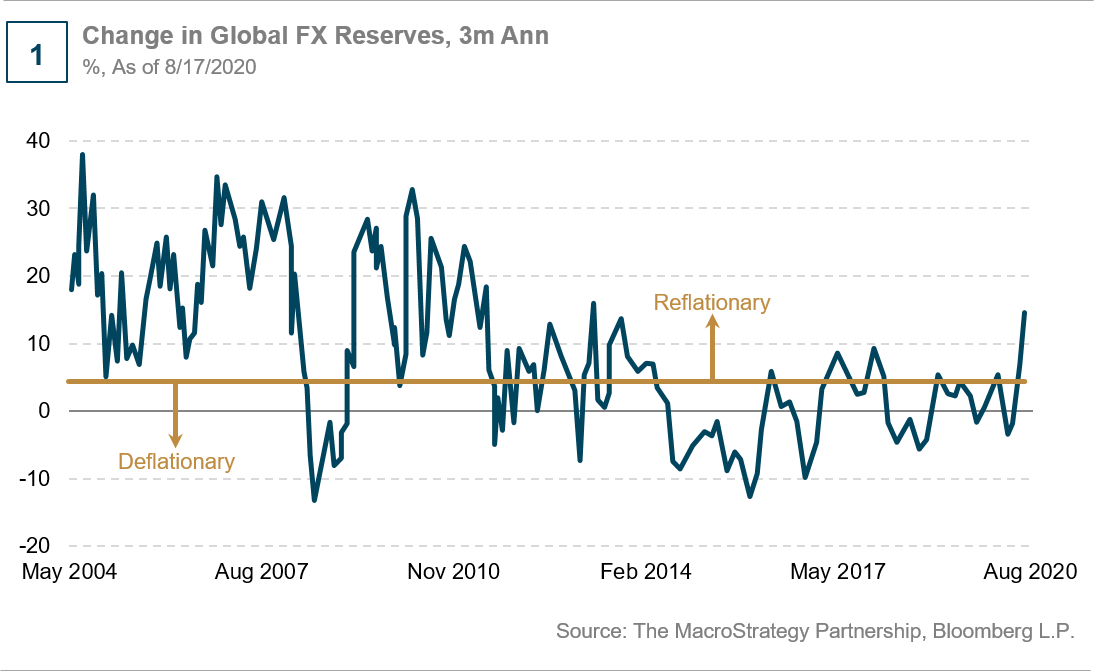
The sudden stop to markets induced by COVID-19 caused a substantial repricing of credit risk globally, and central banks, treasuries, and ministries of finance around the world responded unequivocally.
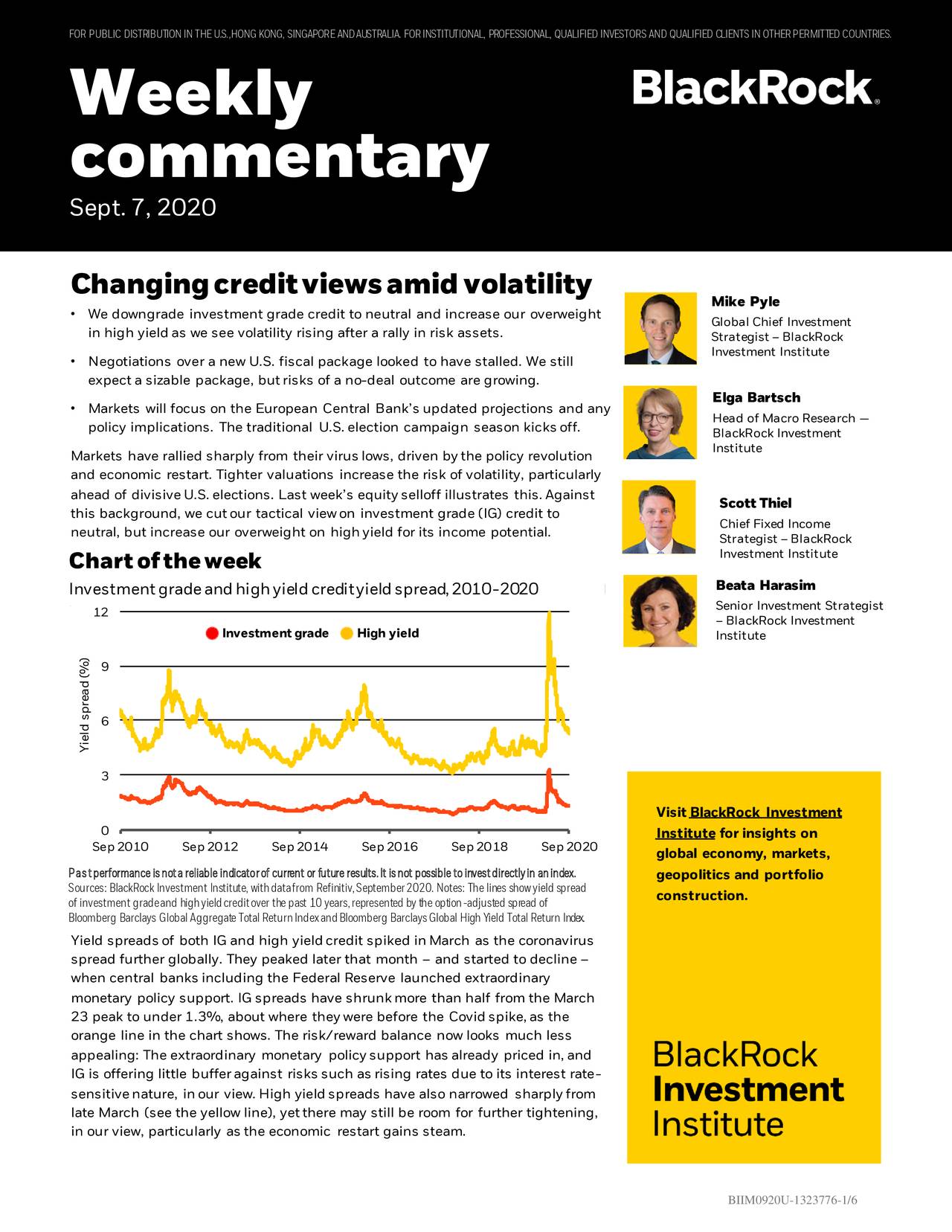
We downgrade investment grade credit to neutral and increase our overweight in high yield as we see volatility rising after a rally in risk assets.
We examine the effects of the crisis on the year-to-date liquidity of USD corporate bonds, as measured by the price liquidity ratio. The price liquidity ratio c