
Loading…
Loading…


See exactly how IIGD's revenue becomes profit — a Sankey that traces revenue (and its reported segments) through gross profit, operating expenses, and net profit, with the year-over-year change on every line.
The same diagram the Chart Builder draws, right on the Summary tab. Upgrade to unlock it for IIGD and 80,000+ other tickers.
The Invesco Investment Grade Defensive ETF (Fund) aims to mirror the performance of the Invesco Investment Grade Defensive Index (Index). This Fund typically allocates at least 80% of its total assets to the securities comprising this Index, which focuses on U.S. investment-grade bonds. The Index prioritizes bonds exhibiting superior quality features, specifically higher credit ratings and shorter maturities. To determine eligibility, each bond receives a quality score, calculated based on its maturity and credit rating. Rather than acquiring every security in the Index, the Fund employs a…

Short-term investment-grade bond strategies, with durations in the two-to-three-year range, are well positioned to capture a meaningful yield advantage without the rate sensitivity that has challenged longer duration strategies in recent months. The yield to worst on a diversified short-term bond portfolio currently sits between 4.5% and 5.0%, more than 100 basis points above what bank savings accounts and government money market funds are currently yielding. Although the path for rates is highly uncertain, the range of outcomes in which short-term bonds outperform cash is considerably wider than the range in which they don't.

April's bout of volatility stung major gauges of investment-grade corporate bonds. However, some market observers believe recent weakness could represent a buying opportunity with high-quality corporate debt.

Uncertainty around interest rates, inflation, and the possibility of recession are top of mind as advisors allocate to fixed income ETFs. Most investors are staying within the short to intermediate part of the curve, opting for balanced fixed income exposure as opposed to making big bets.
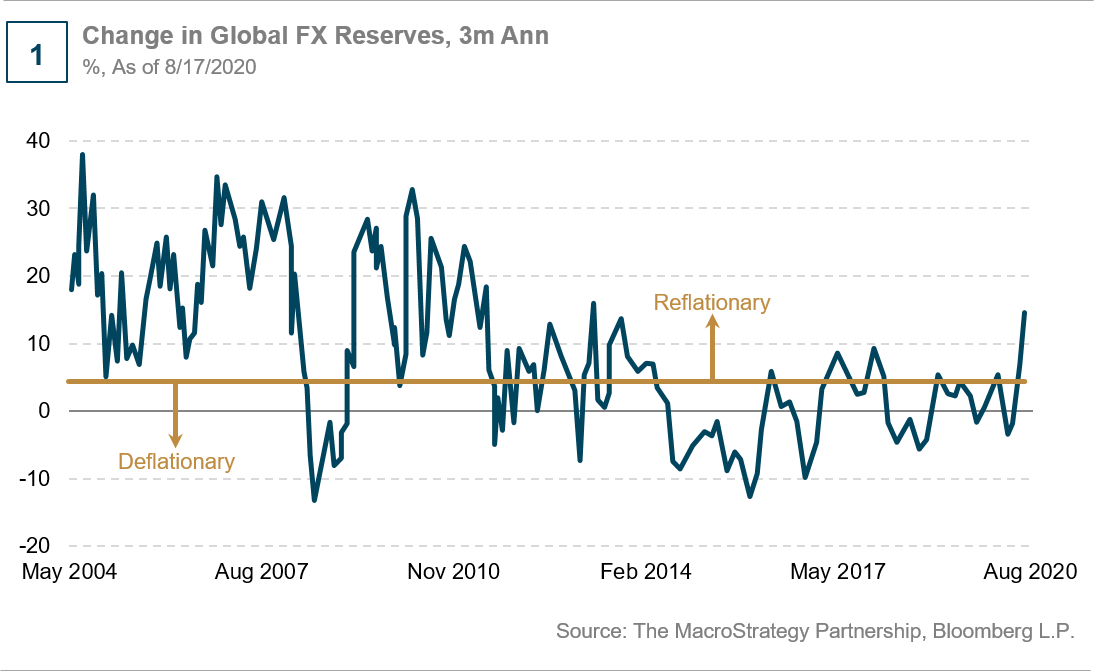
The sudden stop to markets induced by COVID-19 caused a substantial repricing of credit risk globally, and central banks, treasuries, and ministries of finance around the world responded unequivocally.
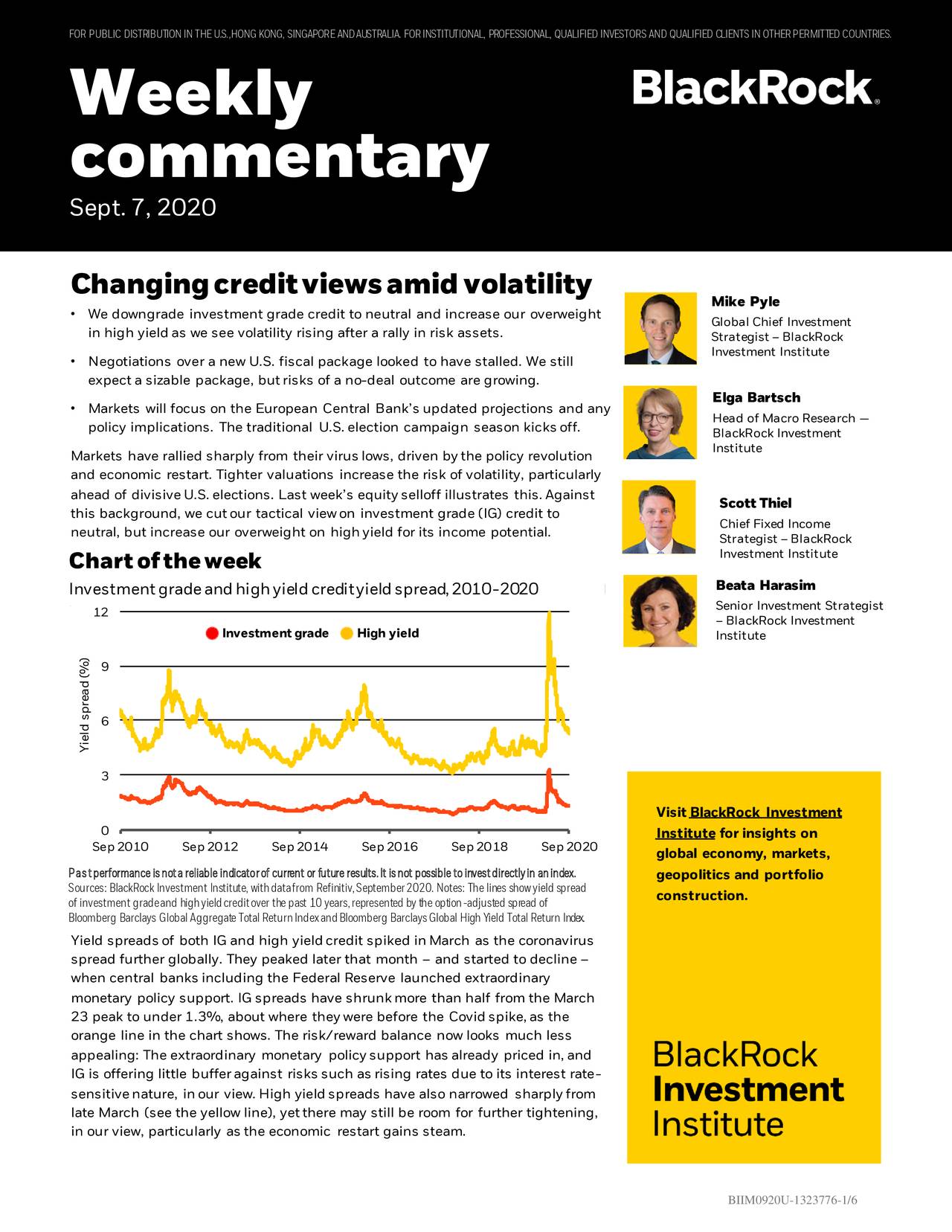
We downgrade investment grade credit to neutral and increase our overweight in high yield as we see volatility rising after a rally in risk assets.