
Loading…
Loading…

IBHB (iShares iBonds 2022 Term High Yield and Income ETF) is no longer actively trading.
This usually means the company was acquired and taken private, delisted from its exchange, or its ticker has been retired. Every price, valuation, dividend, and analyst figure on this page is frozen at the last available trading session and reads as historical reference — not a current-day signal.

See exactly how IBHB's revenue becomes profit — a Sankey that traces revenue (and its reported segments) through gross profit, operating expenses, and net profit, with the year-over-year change on every line.
The same diagram the Chart Builder draws, right on the Summary tab. Upgrade to unlock it for IBHB and 80,000+ other tickers.
This fund primarily commits its capital to the individual assets comprising its benchmark index, with at least 80% of its holdings allocated to these components. An even larger proportion, a minimum of 90% of its overall assets, will be channeled into fixed-income securities that match the kinds found within that same index. The underlying benchmark itself consists solely of corporate debt instruments. These instruments share key traits: they are denominated in U.S. dollars, are subject to taxes, provide a set interest rate, and possess a credit rating of either "high yield" or an equivalent to "BBB."

Some interest-protected bonds have managed to fare better than the regular bond ETFs in the first half of 2022.

The Fed will keep on hiking rates this year and short-term bond yields will rise alongside. That would result in a similar rate for cash-like assets such as money-market funds.

Cash is emerging as a popular asset in Wall Street. As the Fed plans to raise interest rates faster this year, cash-like assets such as money-market funds should reflect that rate pattern.
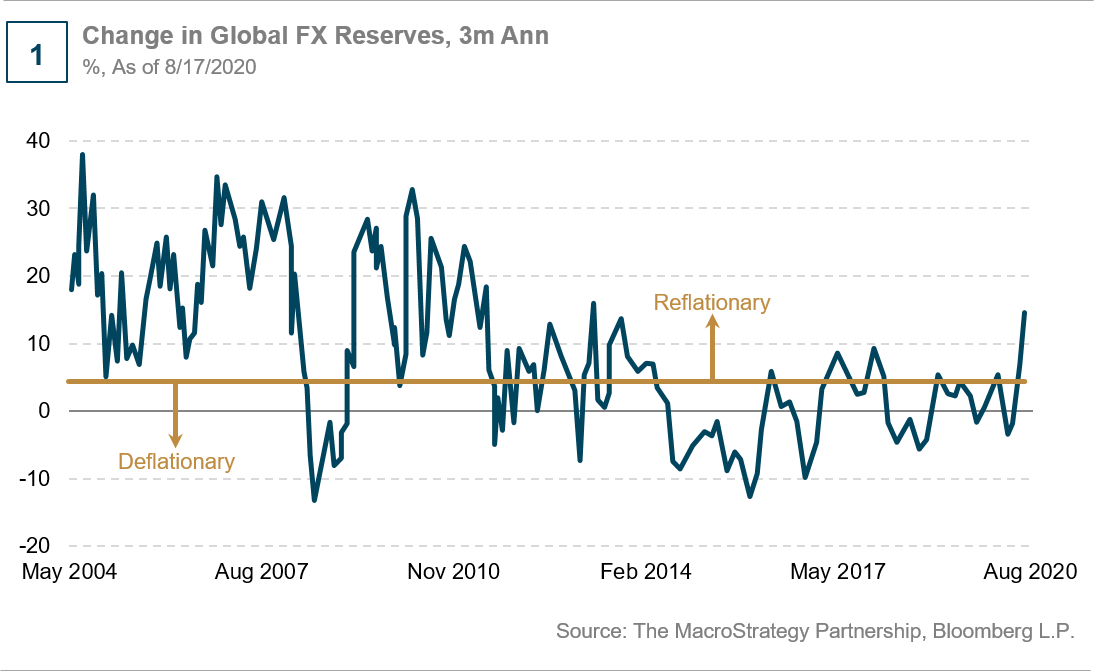
The sudden stop to markets induced by COVID-19 caused a substantial repricing of credit risk globally, and central banks, treasuries, and ministries of finance around the world responded unequivocally.
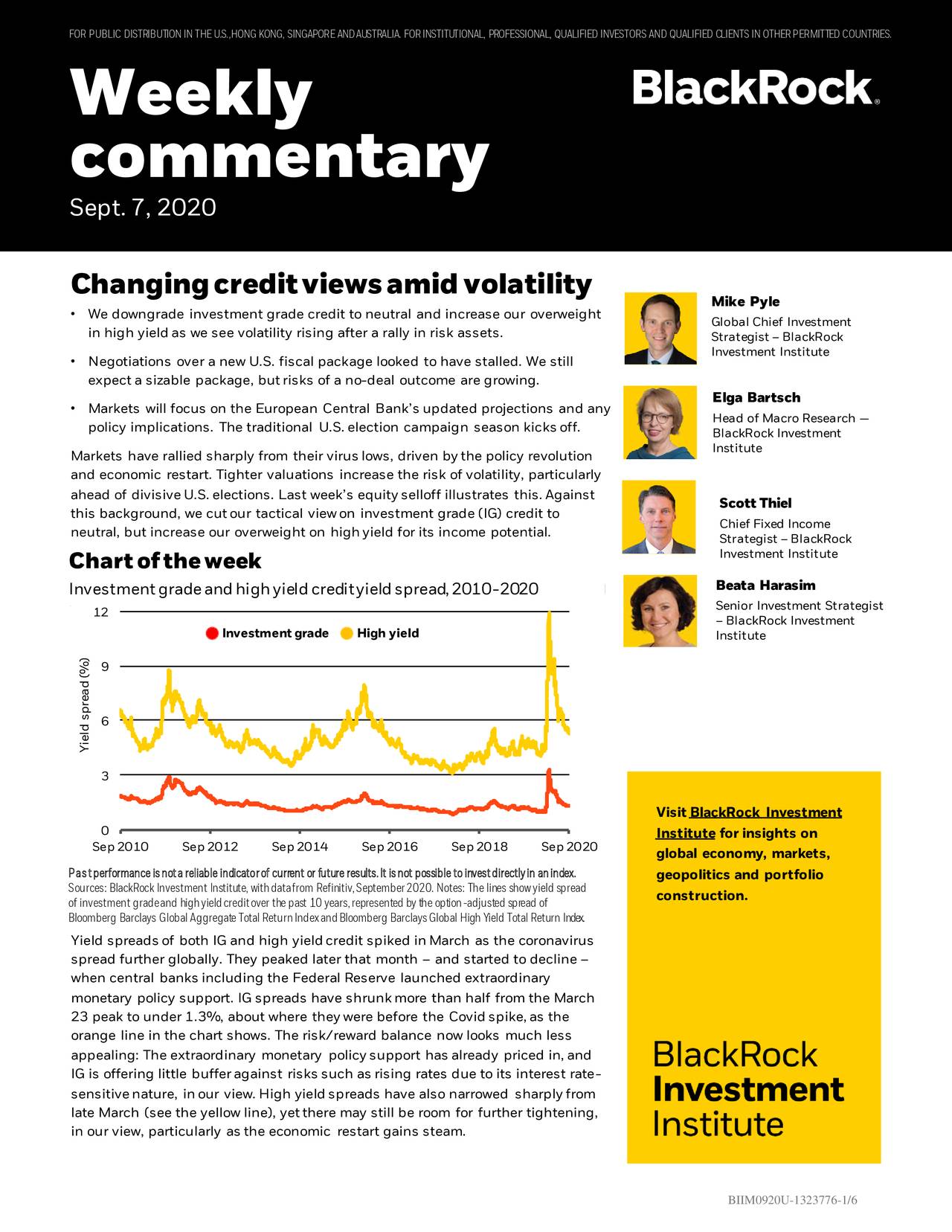
We downgrade investment grade credit to neutral and increase our overweight in high yield as we see volatility rising after a rally in risk assets.