
Loading…
Loading…



Honeywell raised full-year organic sales growth guidance to 4% to 5%. Order backlog reached nearly $19 billion in the third quarter.

Honeywell raises its 2026 earnings outlook as stronger automation orders, expanding energy demand, margin gains and improving cash flow fuel growth optimism.

Honeywell CEO and Chairman Vimal Kapur discusses addressing cyber vulnerabilities, the Forge Cognition AI platform, the company's third-quarter earnings report and more on 'The Claman Countdown.' 00:00 Global Cyber Hacking and Infrastructure Risks 01:18 How AI Tools are Exposing New Vulnerabilities 02:31 Defining Physical AI in the Industrial Context 03:31 AI Partnerships with Nvidia, Dell, and Google 05:03 Honeywell Earnings Analysis & 2027 Outlook

Organic Sales Growth: 7% in Q3 2026, above the high end of Investor Day targets; broad-based across all segments.Segment Margin: Expanded 370 basis points to 21
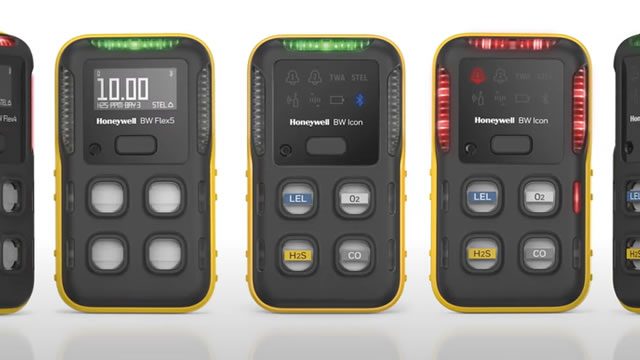
Honeywell Technologies beats Q3 earnings estimates as automation demand drove 7% organic sales growth, prompting higher 2026 sales, earnings and cash flow outlooks.

Honeywell International Inc. (HON) Q3 2026 Earnings Call Transcript

Honeywell International NASDAQ: HON reported third-quarter 2026 results marked by 7% organic sales growth, margin expansion and improved cash conversion as the company operated as a standalone pure-play automation business.
Although the revenue and EPS for Honeywell International (HON) give a sense of how its business performed in the quarter ended September 2026, it might be worth considering how some key metrics compare with Wall Street estimates and the year-ago numbers.