
Loading…
Loading…

HEWG (iShares Currency Hedged MSCI Germany ETF) is no longer actively trading.
This usually means the company was acquired and taken private, delisted from its exchange, or its ticker has been retired. Every price, valuation, dividend, and analyst figure on this page is frozen at the last available trading session and reads as historical reference — not a current-day signal.

See exactly how HEWG's revenue becomes profit — a Sankey that traces revenue (and its reported segments) through gross profit, operating expenses, and net profit, with the year-over-year change on every line.
The same diagram the Chart Builder draws, right on the Summary tab. Upgrade to unlock it for HEWG and 80,000+ other tickers.
This fund aims to invest a minimum of 80% of its assets in securities that are constituents of its benchmark index, or in other investments that mirror the economic profile of those index components. The underlying index is structured to measure the performance of prominent and mid-sized companies within Germany's stock market. A key feature of the fund is its monthly strategy to neutralize the currency fluctuations inherent in these German assets, effectively hedging that foreign exchange risk back to the U.S. dollar.

German industry disappointed in May, indicating that the entire economy could have fallen back into negative territory in the second quarter. Industrial production dropped by 2.5% month-on-month in May, from 0.1% MoM in April.

NEW YORK--(BUSINESS WIRE)--BlackRock has one of the most comprehensive and diverse investment platforms in the industry, providing investors with choice to meet their investment objectives. Investors are continuing to turn to BlackRock to unlock the full potential of their portfolios, as reflected by $1.9 trillion of net inflows in the past five years globally.1 In the U.S., BlackRock offers over 600 mutual funds and ETFs for investors to access different market exposures.2 As we evolve our pla.
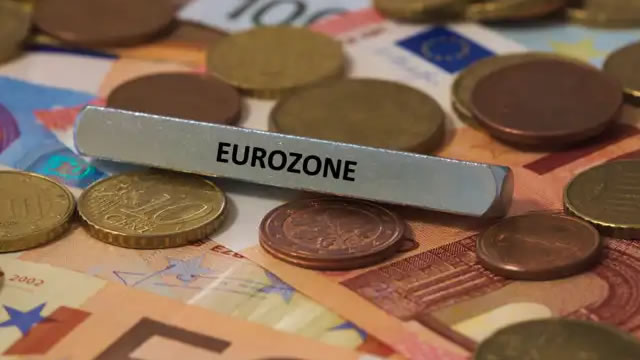
Business activity in the euro area came close to stabilising in March, as provisional PMI® survey data registered only a marginal decline in output of goods and services.

The German DAX Has Hit An All-Time High In December And This Is Why
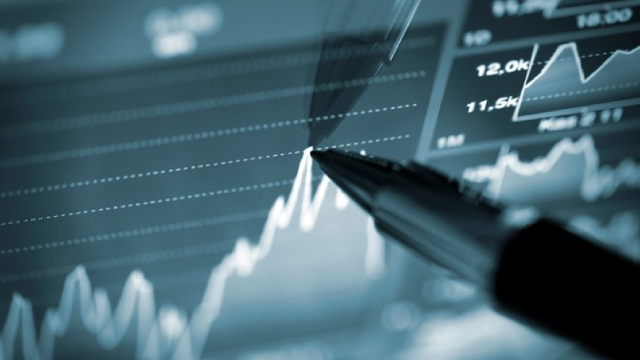
The German stock market has gone parabolic in an exceptionally strong move, after meandering over the summer months with sub-par economic releases. The surface reason for this division is that the vast majority of German earnings are not driven by the domestic economy but by their multinational operations.