
Loading…
Loading…

GSIG (Goldman Sachs Access Investment Grade Corporate 1-5 Year Bond ETF) is no longer actively trading.
This usually means the company was acquired and taken private, delisted from its exchange, or its ticker has been retired. Every price, valuation, dividend, and analyst figure on this page is frozen at the last available trading session and reads as historical reference — not a current-day signal.

See exactly how GSIG's revenue becomes profit — a Sankey that traces revenue (and its reported segments) through gross profit, operating expenses, and net profit, with the year-over-year change on every line.
The same diagram the Chart Builder draws, right on the Summary tab. Upgrade to unlock it for GSIG and 80,000+ other tickers.
The fund seeks to achieve its investment objective by investing at least 80% of its assets (exclusive of collateral held from securities lending) in securities included in its underlying index. The index is a rules-based index that is designed to measure the performance of investment grade, corporate bonds denominated in U.S. dollars (“USD”) with remaining maturities between one and five years that meet certain liquidity criteria.

Short-term investment-grade bond strategies, with durations in the two-to-three-year range, are well positioned to capture a meaningful yield advantage without the rate sensitivity that has challenged longer duration strategies in recent months. The yield to worst on a diversified short-term bond portfolio currently sits between 4.5% and 5.0%, more than 100 basis points above what bank savings accounts and government money market funds are currently yielding. Although the path for rates is highly uncertain, the range of outcomes in which short-term bonds outperform cash is considerably wider than the range in which they don't.

The timing of the Fed's potential next move was a hot topic during the VettaFi Fixed Income Symposium last week. Close to 600 live attendees, and many more via replay, heard from some of the smartest people in the fixed income ecosystem.
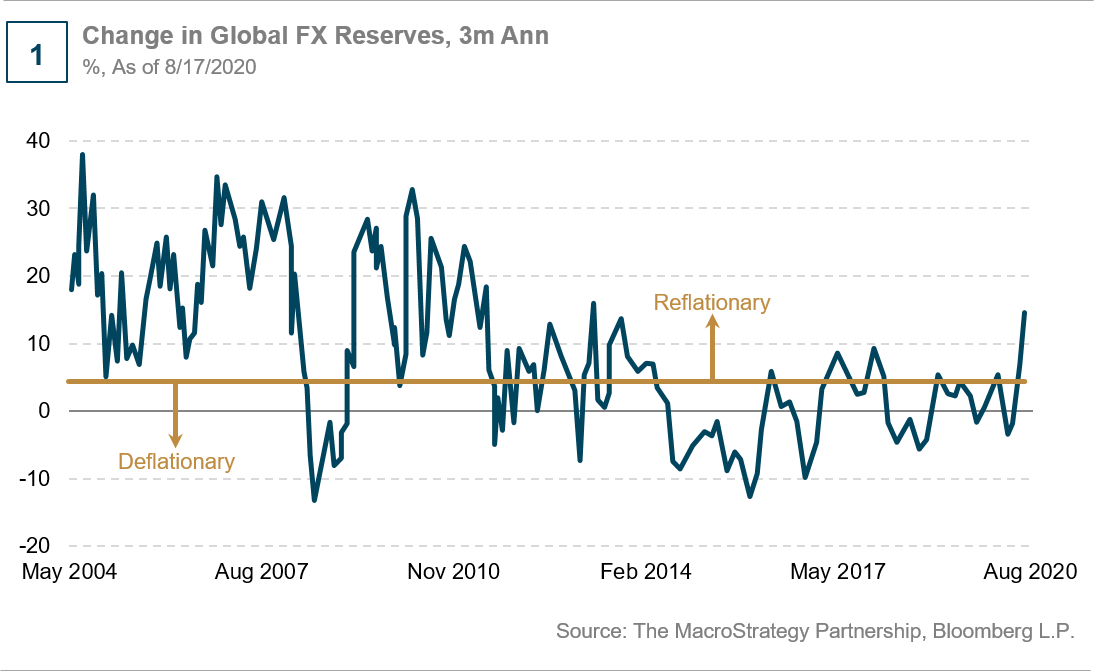
The sudden stop to markets induced by COVID-19 caused a substantial repricing of credit risk globally, and central banks, treasuries, and ministries of finance around the world responded unequivocally.
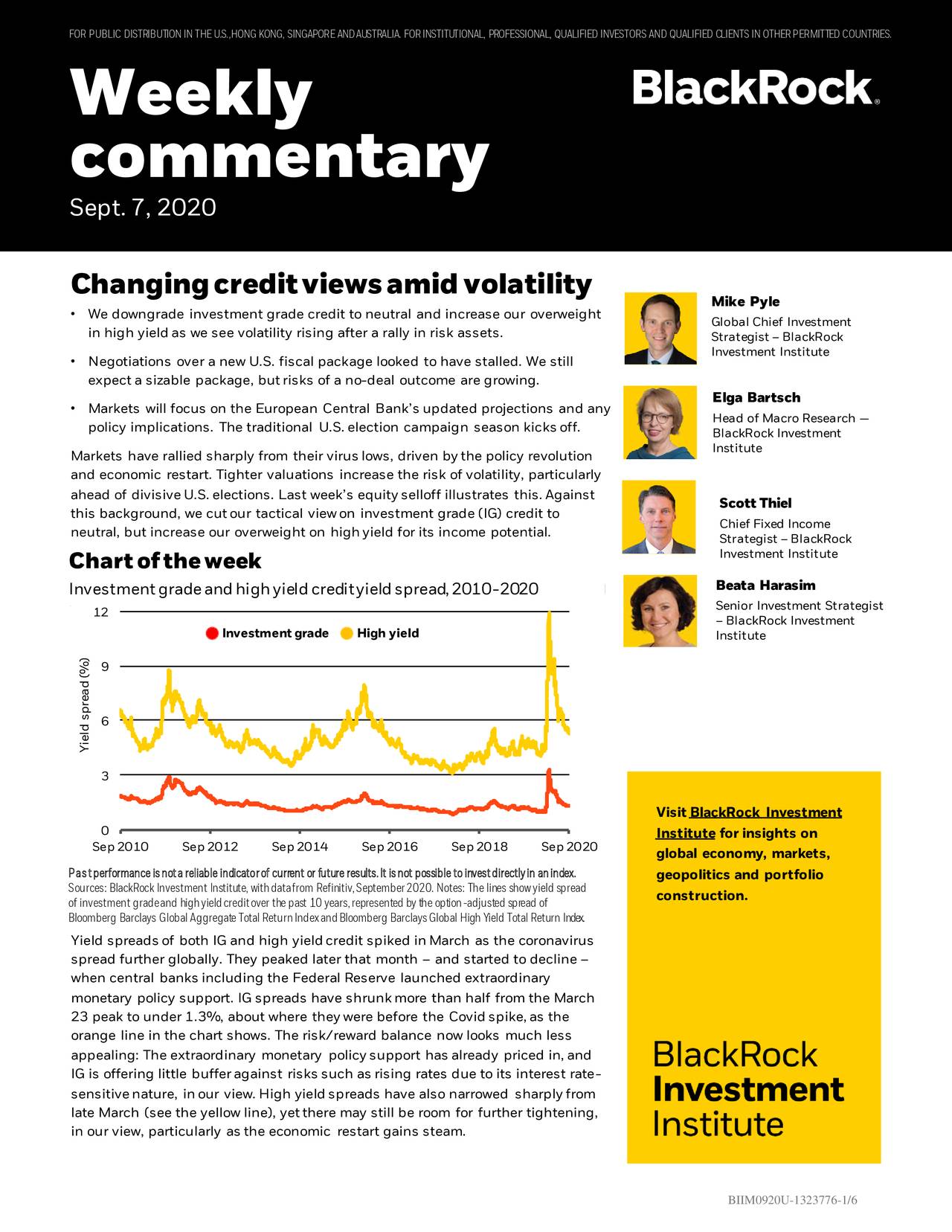
We downgrade investment grade credit to neutral and increase our overweight in high yield as we see volatility rising after a rally in risk assets.