
Loading…
Loading…


Casino landlords, timberland owners, and farm operators all collect rent in wildly different ways, and only one of these four specialty REITs has a dividend that its own earnings guidance can actually cover.

Holding high-yield REITs in a taxable account hands the IRS a cut of every dividend for as long as you own the shares, but the Roth version of that same portfolio changes the math in a way most investors never
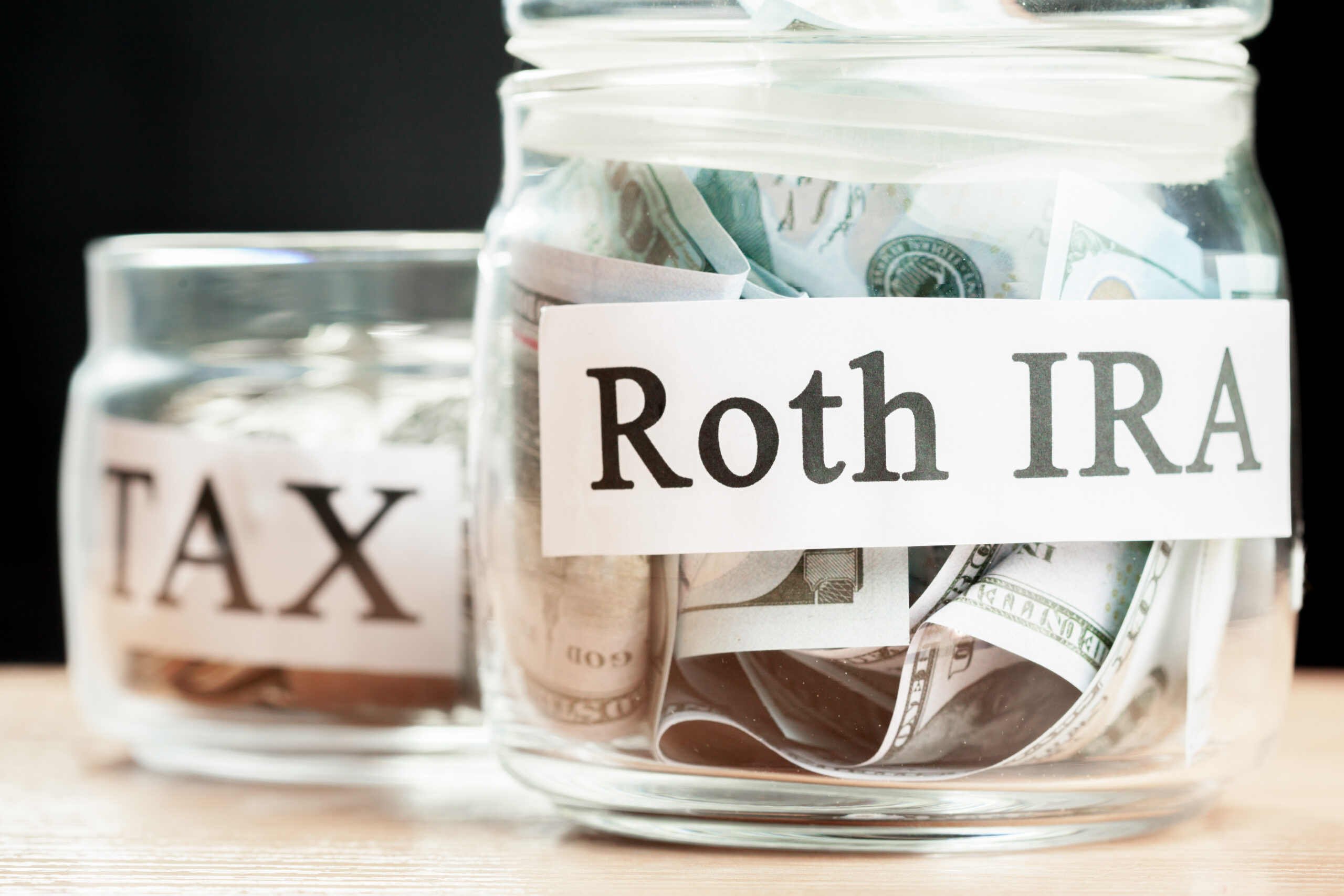
Your high-yield BDC and REIT positions may be quietly generating a five-figure tax bill every single year, and the account type holding them determines whether that cost is optional or inevitable.

Gaming and Leisure Properties is upgraded to a strong buy after an 11% price drop, presenting a compelling buy-the-dip opportunity. GLPI's regional focus, long leases, 100% occupancy, and strong tenant rent coverage underpin portfolio stability despite tenant concentration risks. Recent AFFO per share expanded 10% year-over-year, with management guiding for nearly 6% growth in 2026 and a robust development pipeline at attractive cap rates.

This article is part of our monthly series where we highlight five large-cap, relatively safe, dividend-paying companies offering significant discounts to their historical norms. We go over our filtering process to select just five conservative DGI stocks from more than 7,500 companies that are traded on U.S. exchanges, including OTC networks. In addition to the primary list that yields 4.6%, we present two other groups of five DGI stocks, each with moderate to high yields of up to 8%.

Wall Street's most popular income screens keep recycling the same mega-cap names, but five overlooked companies quietly pay yields that stretch from 3.7% to nearly 9% while sitting outside the radar of most investors.

GLPI slashed its dividend to nearly nothing when casinos went dark in 2020, yet management now calls gaming revenues bulletproof.

Some landlords collect rent on properties their tenants can never relocate, from casino floors on the Las Vegas Strip to pistachio orchards in California, and the lease structures behind those deals reveal just how different specialty REITs can be from the real estate funds most investors know.