
Loading…
Loading…



Rolls-Royce's share price is in a bear market, a trend that accelerated after its top competitors published their earnings. The stock plunged to 1,160p on Friday before stabilizing at 1,220p today, and technicals suggest further downside over time.


Christensen King and Associates Investment Services Inc. bought a new position in GE Aerospace (NYSE: GE) in the third quarter, according to the company in its most recent disclosure with the SEC. The institutional investor bought 15,801 shares of the company's stock, valued at approximately $4,934,000. GE Aerospace makes up about 1.8% of


GE Aerospace crushed on earnings this week. High jet fuel prices threaten to cut short the rally in engine sales.

Stocks are a mixed bag today, with the Dow down over 500 points but the S&P 500 and Nasdaq bouncing off session lows
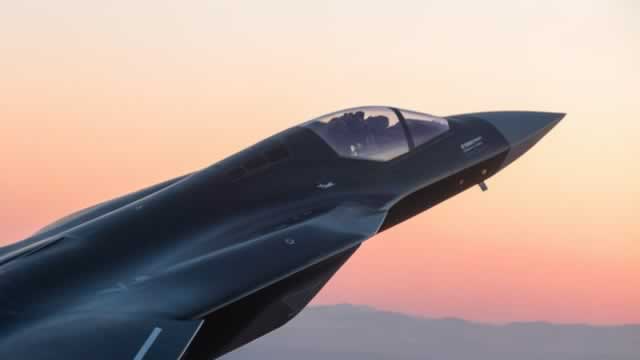
GE Aerospace's Defense & Propulsion Technologies segment posts 7% revenue growth and 18% order growth, fueled by military engine demand and key defense contracts.

GE Aerospace is well positioned for multi-year earnings growth, driven by robust commercial and defense demand. Expanding LEAP and GEnx engine installed bases, improved repair economics, and strong aftermarket growth underpin GE's bullish outlook. Manufacturing productivity gains, supply chain improvements, and the CPP acquisition should alleviate bottlenecks and support faster revenue growth.