
Loading…
Loading…

FNI (First Trust Chindia ETF) is no longer actively trading.
This usually means the company was acquired and taken private, delisted from its exchange, or its ticker has been retired. Every price, valuation, dividend, and analyst figure on this page is frozen at the last available trading session and reads as historical reference — not a current-day signal.

See exactly how FNI's revenue becomes profit — a Sankey that traces revenue (and its reported segments) through gross profit, operating expenses, and net profit, with the year-over-year change on every line.
The same diagram the Chart Builder draws, right on the Summary tab. Upgrade to unlock it for FNI and 80,000+ other tickers.
The fund typically dedicates at least 90% of its net assets, encompassing borrowed capital, to common stocks and depositary receipts found in its underlying index. This index, which utilizes a modified market capitalization weighting, is structured to monitor the performance of U.S.-listed equities from small, mid, and large-capitalization companies based in China or India. The fund is classified as non-diversified.

Calgary, Alberta--(Newsfile Corp. - June 24, 2026) - Fathom Nickel Inc. (CSE: FNI) (FSE: 6Q5) (OTCQB: FNICF) ("Fathom", or the "Company") is pleased to announce that the Phase-2 drill program at Gochager Lake continues to demonstrate the effectiveness of BHEM (borehole electromagnetic surveying) targeting. Follow-up drilling of off-hole conductors identified through BHEM probes has identified two new zones of gabbro-hosted nickel-copper-cobalt1 mineralization northeast and southwest of the historic deposit.
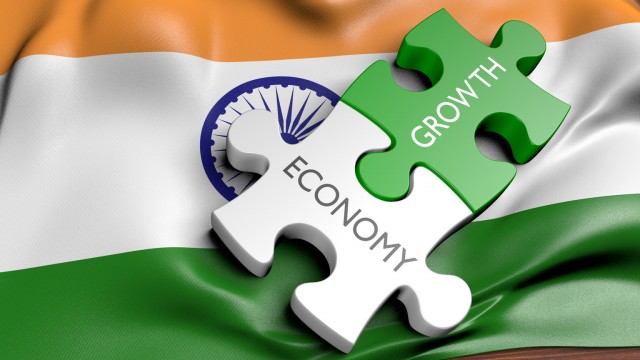
India is now the fastest-growing major economy in the world, surpassing China for the first time in a generation, with close to 8% growth. India's combination of a pro-business, reform-minded government; solid corporate governance; and overall management quality stands out within the emerging markets universe.
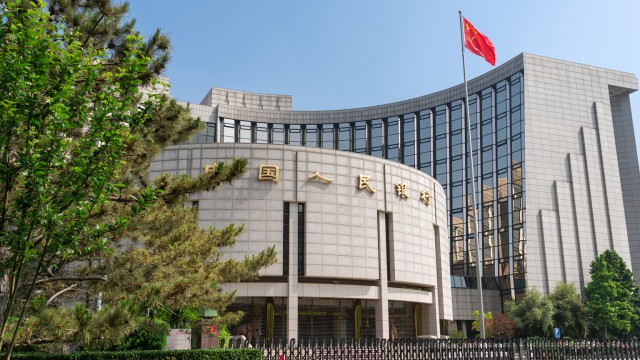
While high inflation is seen almost everywhere, the Chinese central bank, PBoC is more anxious about meeting the economic growth target. Year to date, it has been keeping policies supportive by cutting some of its key interest rates, including the medium-term lending facility (MLF) rate and loan prime rates (LPR).

The world economy may have fallen into conditions that were seen during the 1997 Asian Financial Crisis, but this time around Asian countries better-positioned financially.
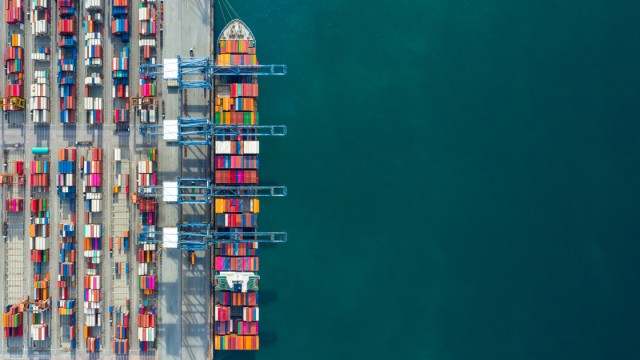
Non-China Asian exports are still growing, but the pace of increase has slowed and will slow still further as key export destinations struggle with inflation, energy security, and rising recession risks. In year-on-year terms, the rate of overall export growth is now skirting single-digits again.