
Loading…
Loading…

EWGS (iShares MSCI Germany Small-Cap ETF) is no longer actively trading.
This usually means the company was acquired and taken private, delisted from its exchange, or its ticker has been retired. Every price, valuation, dividend, and analyst figure on this page is frozen at the last available trading session and reads as historical reference — not a current-day signal.

See exactly how EWGS's revenue becomes profit — a Sankey that traces revenue (and its reported segments) through gross profit, operating expenses, and net profit, with the year-over-year change on every line.
The same diagram the Chart Builder draws, right on the Summary tab. Upgrade to unlock it for EWGS and 80,000+ other tickers.
This fund typically allocates a minimum of 80% of its total assets to the securities comprising its benchmark index, or to other financial instruments possessing substantially similar economic characteristics. The primary objective of this underlying index is to track the investment performance of smaller, publicly traded German corporations.

The German DAX Has Hit An All-Time High In December And This Is Why
The German stock market has gone parabolic in an exceptionally strong move, after meandering over the summer months with sub-par economic releases. The surface reason for this division is that the vast majority of German earnings are not driven by the domestic economy but by their multinational operations.
The week ending November 3, 2023, saw a good number of new ETFs enter the market as well as several closures. In all, there were 14 new ETFs including launches from Defiance, First Trust, Innovator, Roundhill, ProShares, John Hancock, Kingsbarn Capital Management, Dimensional and SRH Funds.
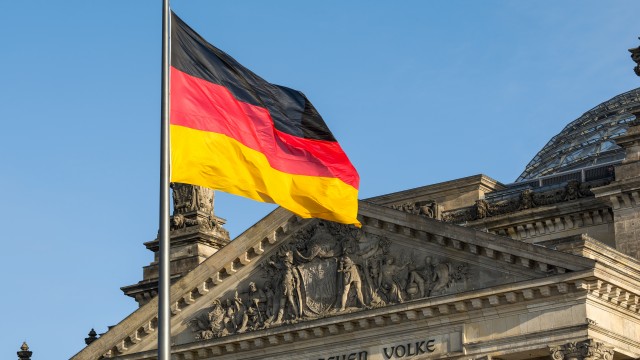
The debate over whether Germany is emerging as the 'sick man of Europe' again has picked up steam once again over the summer. In our view, the answer is a resounding yes.
With the German economy remaining stagnant in the second quarter of 2023, take a look into how Germany-heavy ETFs perform.