Loading…
Loading…

With the Dividend Data connector, your AI app answers from the same data as this page and links the page behind each number. A free Dividend Data account connects.
Questions to try

Safe blue chips have rallied so hard that their yields now trail Treasuries, while the highest payers promise to slash the capital you need. Before you chase either, see what each shortcut quietly puts at risk in year ten.
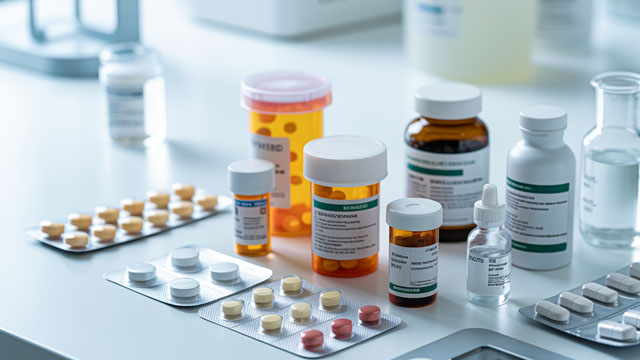
When the paycheck stops, price charts matter less than the cash landing in your account each quarter. Five high-yield names across pharma, utilities, tobacco, telecom, and midstream energy compete for that job, and one carries the thinnest safety cushion of all.
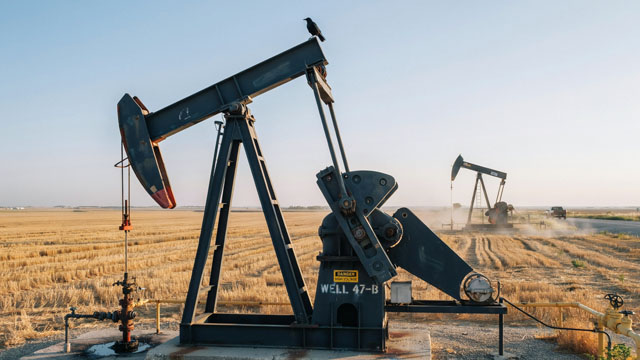
Double-digit yields usually signal a payout the market expects to shrink. These five U.S.-listed names offer the opposite.
The Treasury's Nov. 10 auction set a 5% coupon on the new 10-year note. That gives income investors a risk-free benchmark that every dividend stock now has to clear.
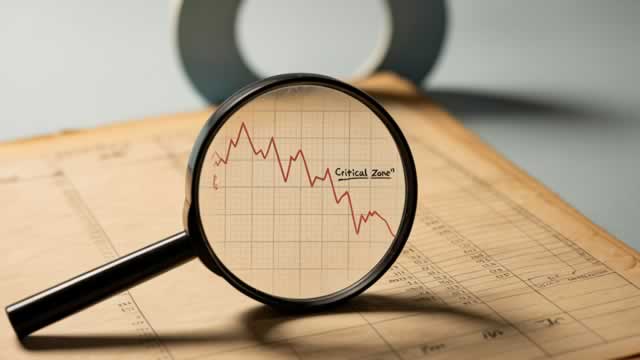
Retirees heading into year-end need two things from an income stock: a yield that tops inflation and a payout the business can comfortably fund. A big headline yield can also be the market pricing in a cut, which is the whole subject of our free guide to the seven warning signs of a dividend trap.

Retiring on dividends requires more than just high yields. Without recession-resistant cash flows and inflation-beating dividend growth, even a seemingly attractive retirement portfolio could fail when investors need it most. I share three investments that offer particularly compelling combinations of attractive current income, defensive business models, and long-term dividend growth potential, making them foundational holdings for retirement.
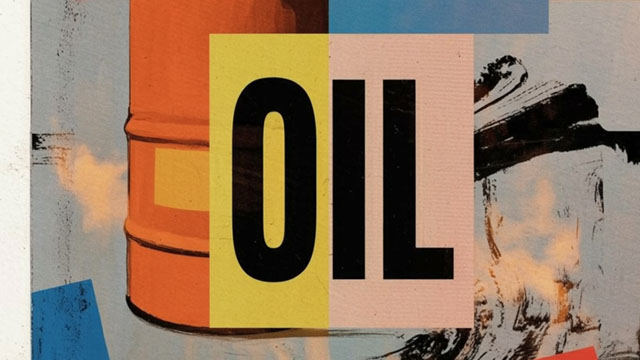
EPD invests $6.3 billion in Permian infrastructure as rising gas and NGL production fuels expansion plans.
Big yields tempt income investors, but one famous chemical payer just slashed its dividend nearly in half. Three overlooked names clear the 5% bar, and the real test is whether their cash flow actually covers the checks.