
Loading…
Loading…

DMRE (DeltaShares S&P EM 100 & Managed Risk ETF) is no longer actively trading.
This usually means the company was acquired and taken private, delisted from its exchange, or its ticker has been retired. Every price, valuation, dividend, and analyst figure on this page is frozen at the last available trading session and reads as historical reference — not a current-day signal.

See exactly how DMRE's revenue becomes profit — a Sankey that traces revenue (and its reported segments) through gross profit, operating expenses, and net profit, with the year-over-year change on every line.
The same diagram the Chart Builder draws, right on the Summary tab. Upgrade to unlock it for DMRE and 80,000+ other tickers.
Under typical market circumstances, the fund allocates a minimum of 80% of its holdings, excluding any collateral derived from securities lending, to the components of its underlying index. This benchmark index is designed to fulfill its objectives by strategically distributing its weightings among three specific indices: the S&P EM 100 Index, the S&P U.S. Treasury Bond Current 5-Year Index, and the S&P U.S. Treasury Bill 0-3 Month Index. Importantly, this fund operates as a non-diversified investment vehicle.

Past experience shows us that emerging markets have historically reacted positively to higher global rates, especially if the latter reflects an improving global growth outlook. Most emerging markets will start normalizing rates well before the U.S. and developed markets.

As a historic and unforgettable 2020 nears an end, what have we learned to better-position portfolios as we enter 2021? In the upcoming webcast, Where We Stand: 2021 Market Outlook, Tom Wald, Chief Investment Officer, Transamerica Asset Management, will explore the immediate opportunities and challenges ahead, including the impacts of the political climate, finding income, [.
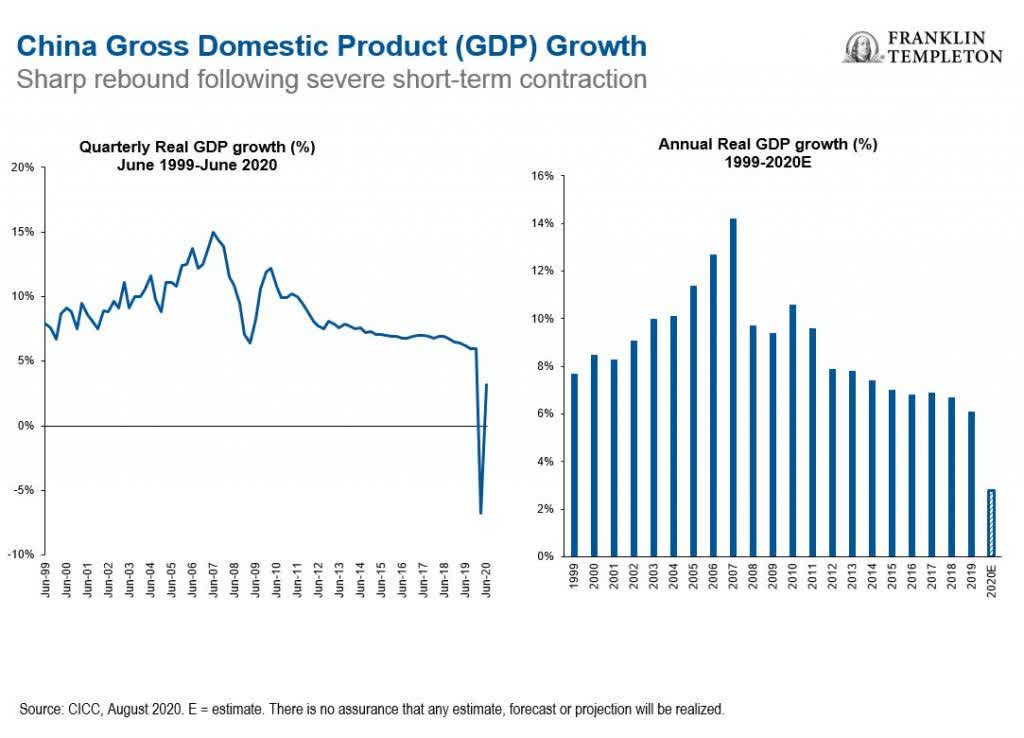
Asian markets rose in August to seal the best regional performance in EMs. Stocks in China, India and Indonesia posted notable gains.

Allocating to smaller companies can help broaden an EM allocation by providing a different mix of exposures to opportunities across countries and sectors.
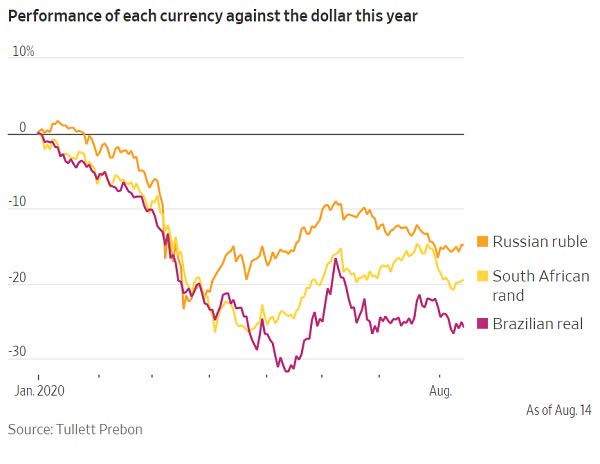
Back in the simpler days of 2019, there was this (now completely forgotten) impending crisis in which emerging market countries' dollar-denominated debt was going to blow up their - and by extension the rest of the world's - economies.