
Loading…
Loading…



An attack on Saudi Arabia's East-West pipeline has disrupted a crucial route around the Strait of Hormuz, threatening crude deliveries to Europe and adding pressure to already tight diesel markets. On Bloomberg This Weekend, Bloomberg Economics Statecraft Lead Chris Kennedy discusses how JPMorgan says it no longer has a baseline view for oil markets as the Iran conflict, attacks on Russian energy infrastructure, and uncertainty over Chinese demand make the outlook increasingly difficult to model.

Treasuries fell as anticipation of additional Federal Reserve interest-rate hikes stoked interest in wagers on rising yields for short-maturity debt. Rob Haworth, Senior Investment Strategy Director at U.S. Bank Asset Management joins Bloomberg Businessweek Daily to discuss the markets as well as how the oil is driving rates higher.
For much of the Iran war, China has helped balance the market by reducing imports of oil. That appears to be changing.

Oil markets moved lower as traders took some profits off the table after Macron's announcement.

DBO's roll-yield strategy turned crude's backwardation into a triple-digit gain this year, but the EIA sees WTI dropping more than $30 by spring and no futures trick can outrun a slide that big.
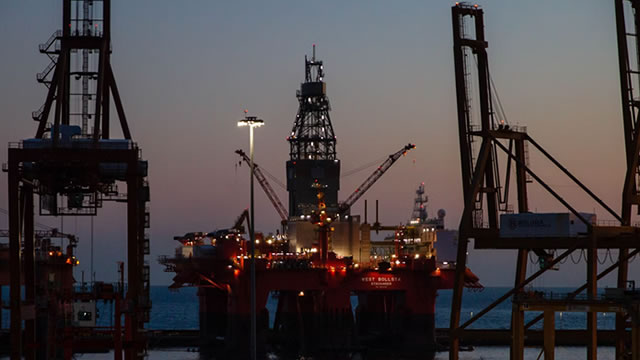
WTI and Brent pull back as traders weigh profit-taking and Middle East headline risk, with Brent's $100 level in focus.

Kevin Hincks believes Friday's trading day will see heavy volume due to triple witching, but he says you'll also want to watch crude oil as a key indicator to geopolitical volatility. He looks overseas to the Bank of Japan's interest rate hike and explains why it's putting upward pressure on U.S. Treasury yields just after the Fed made its decision.

European Union finance ministers will discuss on Friday whether to impose an EU-wide windfall tax on energy companies benefiting from a surge in oil and gas prices following the closure of the Strait of Hormuz, with further talks expected in October.