
Loading…
Loading…



Costco commands a valuation premium that makes even its biggest fans nervous, yet three structural advantages keep analysts bullish and renewal rates near record highs.
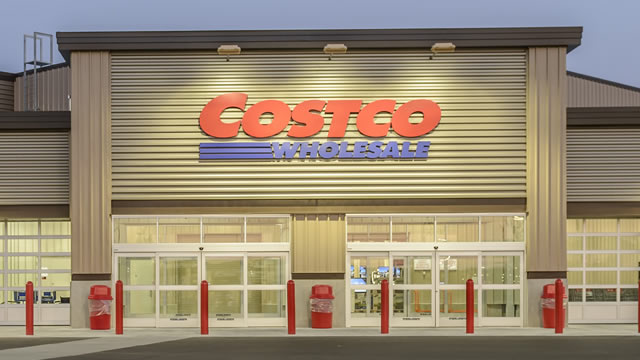
Costco's stock has outperformed the S&P 500 over the long term. The membership-club retailer continues to execute well.

Costco Wholesale Corporation COST and Target Corporation TGT are two major players in the Retail–Discount Stores industry, each leveraging distinct business strategies to attract value-conscious shoppers. Costco, with a market capitalization of about $439.6 billion, operates a membership-based warehouse model focused on offering a broad assortment of merchandise at competitive prices.

Costco Wholesale remains a retail leader with strong membership growth, high renewal rates, and robust free cash flow expansion. COST faces intensifying competition from Walmart and Amazon, both targeting overlapping customer segments with enhanced membership and digital offerings. Despite double-digit growth and operational outperformance, COST trades at 48x earnings and requires 20% annual FCF growth to justify its current valuation.

Costco just posted its fifth straight earnings beat and rewarded shareholders with a strong monthly gain, yet its valuation leaves almost no room for anything less than flawless execution.
Bradley and Co. Private Wealth Management LLC grew its position in shares of Costco Wholesale Corporation (NASDAQ: COST) by 4.8% in the third quarter, according to its most recent filing with the SEC. The fund owned 12,478 shares of the retailer's stock after acquiring an additional 568 shares during the quarter. Costco Wholesale

Costco's next dividend payout of $1.47 will be on Nov. 13. As Costco's stock costs over $1,000 as of this writing, it requires a significant number of shares to yield a worthwhile dividend.

Costco Wholesale Corporation COST is witnessing a notable shift in online shopping behavior as artificial intelligence increasingly shapes how consumers discover products. Although AI-driven search remains a relatively small channel compared with traditional sources of website traffic, its growing adoption is opening new opportunities for the warehouse retailer to connect with shoppers and drive online purchases.