
Loading…
Loading…

BSJO (Invesco BulletShares 2024 High Yield Corporate Bond ETF) is no longer actively trading.
This usually means the company was acquired and taken private, delisted from its exchange, or its ticker has been retired. Every price, valuation, dividend, and analyst figure on this page is frozen at the last available trading session and reads as historical reference — not a current-day signal.

See exactly how BSJO's revenue becomes profit — a Sankey that traces revenue (and its reported segments) through gross profit, operating expenses, and net profit, with the year-over-year change on every line.
The same diagram the Chart Builder draws, right on the Summary tab. Upgrade to unlock it for BSJO and 80,000+ other tickers.
The Invesco BulletShares 2024 High Yield Corporate Bond ETF aims to mirror the performance of a specific benchmark. To achieve this, it commits a substantial portion—at least 80%—of its total capital to the debt securities that comprise this underlying index. The benchmark itself focuses on a portfolio of corporate bonds issued in U.S. dollars. These are predominantly speculative-grade corporate bonds, more commonly known as "junk bonds," all of which have a scheduled or "effective" maturity date in the year 2024. These particular debt instruments are collectively designated as "2024 Bonds."

The Invesco BulletShares 2024 High Yield Corporate Bond ETF is a fixed-income ETF with a termination date of December 15, 2024. The majority of the fund's portfolio is maturity matched, reducing market risk and potential losses for investors. The fund's duration and credit spread sensitivity will decrease over time, resulting in lower volatility and shallower drawdowns compared to other high-yield funds.

These high-dividend ETFs have beaten the S&P 500 in the past month.

Recent uncertainty, instigated by the issues seen across the financial sector, has led to a change in investment flows seen across exchange traded funds. A change in investment flows can be seen over the month of March as equity market volatility has increased.
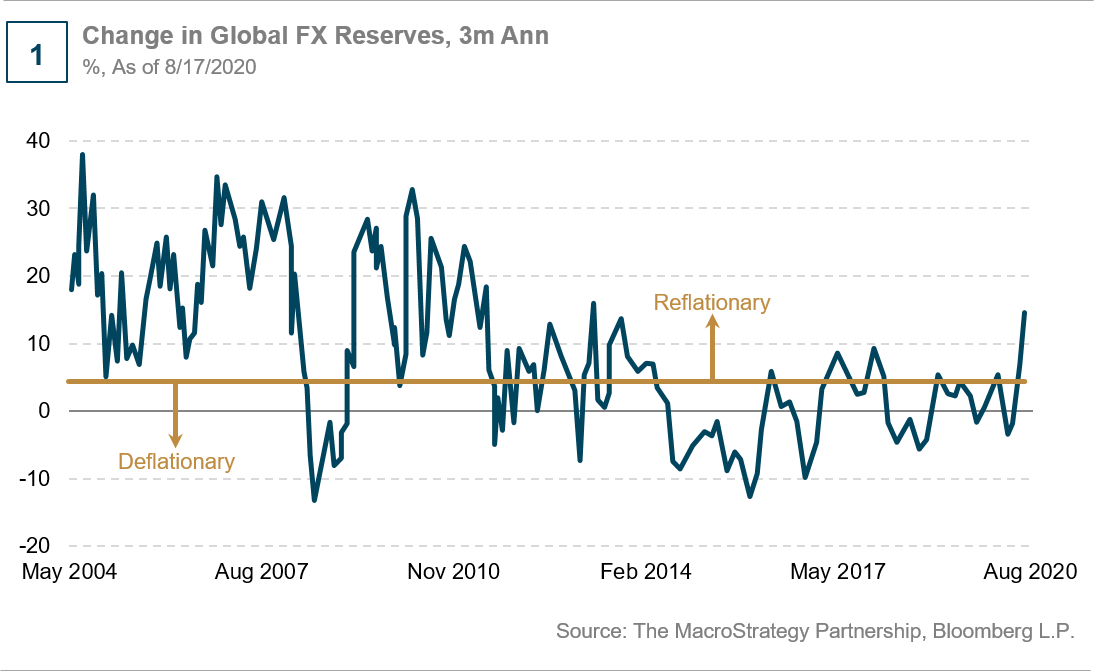
The sudden stop to markets induced by COVID-19 caused a substantial repricing of credit risk globally, and central banks, treasuries, and ministries of finance around the world responded unequivocally.
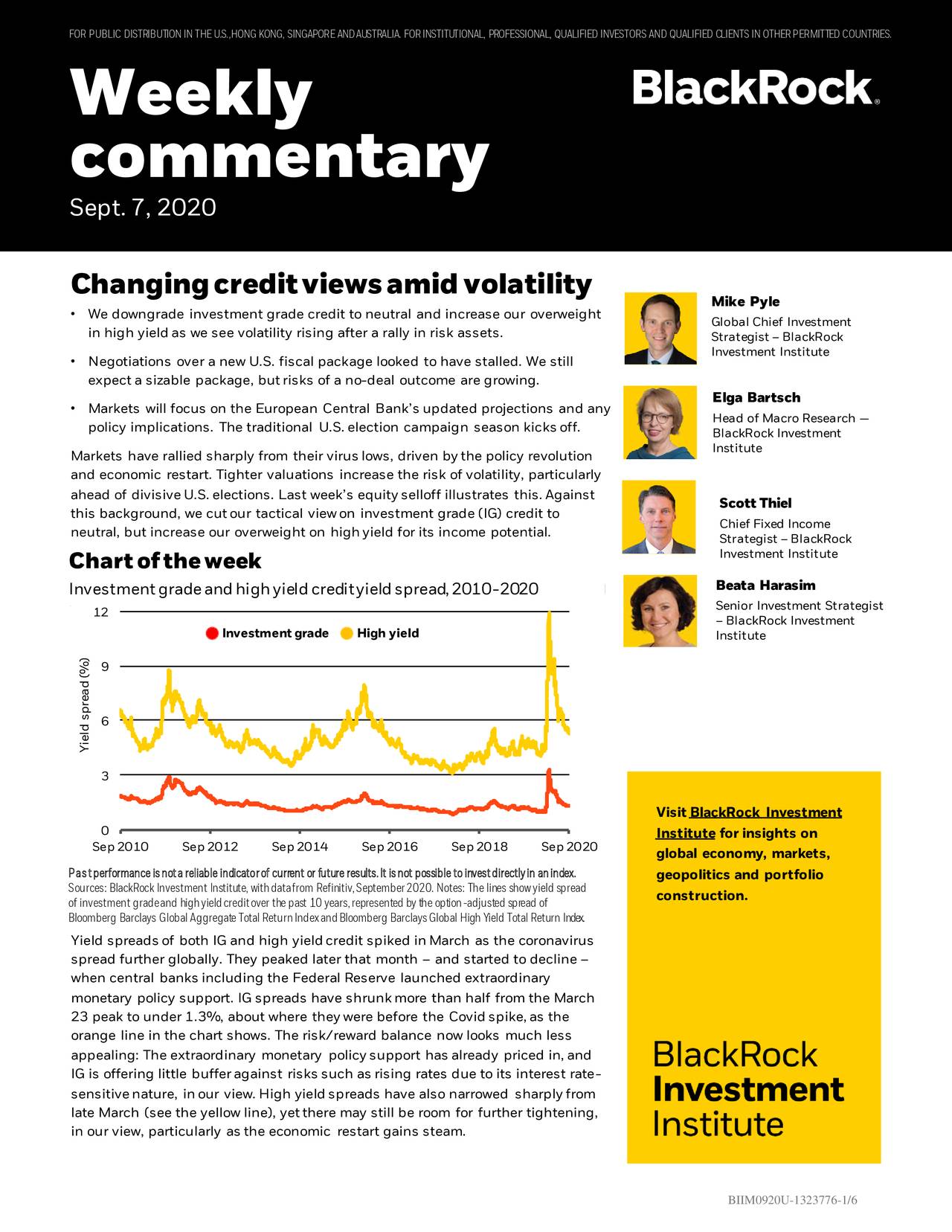
We downgrade investment grade credit to neutral and increase our overweight in high yield as we see volatility rising after a rally in risk assets.