
Loading…
Loading…


For much of the Iran war, China has helped balance the market by reducing imports of oil. That appears to be changing.
Oil markets moved lower as traders took some profits off the table after Macron's announcement.
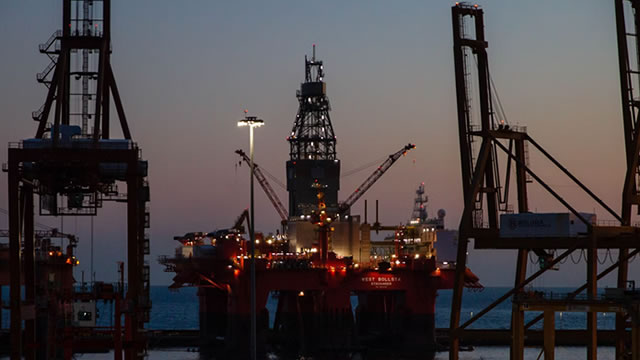
WTI and Brent pull back as traders weigh profit-taking and Middle East headline risk, with Brent's $100 level in focus.
Kevin Hincks believes Friday's trading day will see heavy volume due to triple witching, but he says you'll also want to watch crude oil as a key indicator to geopolitical volatility. He looks overseas to the Bank of Japan's interest rate hike and explains why it's putting upward pressure on U.S. Treasury yields just after the Fed made its decision.
Seven months into the Iran war, crude has once again touched above $105 a barrel, just weeks after trading as low as $68. Refined-product markets have tightened systemically, forcing commodity desks to abandon the models they relied on when hostilities began.

European Union finance ministers will discuss on Friday whether to impose an EU-wide windfall tax on energy companies benefiting from a surge in oil and gas prices following the closure of the Strait of Hormuz, with further talks expected in October.
Oil prices fell for a third day Friday, with WTI crude slipping below $100 a barrel as expectations of restored Saudi pipeline flows eased immediate supply concerns.
Reserve Bank of Australia governor Michele Bullock has warned that upside risks to inflation are beginning to materialise, raising the prospect that interest rates may need to rise again despite signs the Australian economy is slowing. Speaking before the House of Representatives Standing Committee on Economics on Friday, Bullock said higher oil prices, the Middle East conflict, the global artificial intelligence investment boom and lingering domestic capacity constraints were adding to inflation pressures.