
Loading…
Loading…



Semiconductor ETFs are riding AI-driven demand and rising chip investment, with four funds offering diversified exposure to the industry's next growth phase.
AI infrastructure spending, soaring memory demand and strong chip sales are fueling semiconductor growth, putting these ETFs in focus.
AI infrastructure spending, soaring memory demand and strong chip sales are fueling semiconductor growth, putting these ETFs in focus.

Nvidia's strong earnings signal genuine, funded demand in the AI infrastructure build-out, impacting the entire semiconductor stack. AI-related stocks surged on Nvidia's print, but much of the move reflects sentiment rather than company-specific fundamentals.

Following last week's macroeconomic developments — such as the July jobs report — it's worth taking a look at near-term ETF performance. Tracking top-performing funds allows advisors and investors to see what thematic strategies are resonating in the market.
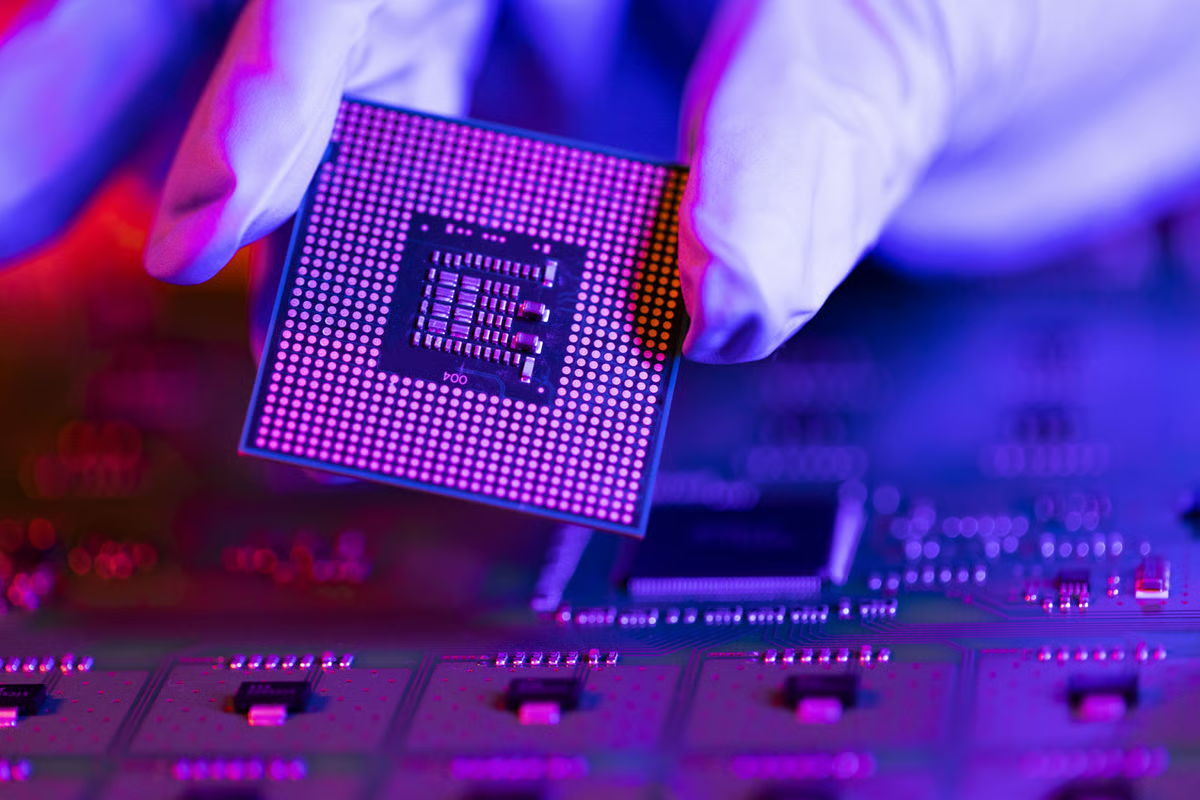
It feels like you're missing out. In reality, most of the industry's biggest gains driven by the advent of AI are probably in the rearview mirror.

The State Street SPDR S&P Semiconductor ETF (XSD) made its debut on 01/31/2006, and is a smart beta exchange traded fund that provides broad exposure to the Technology ETFs category of the market.

Hyperscaler capex is expected to reach roughly $638 billion in 2026, up about 78% from 2025, putting growing pressure on free cash flow and balance sheets. The key risk is not that AI spending collapses, but that capex growth simply slows.