Loading…
Loading…


With the Dividend Data connector, your AI app answers from the same data as this page and links the page behind each number. A free Dividend Data account connects.
Questions to try
The State Street Communication Services Select Sector SPDR ETF (XLC) is designed to mirror the price appreciation and dividend yield of the Communication Services Select Sector Index, prior to accounting for expenses. This underlying index is structured to accurately reflect the communication services industry segment found within the S&P 500 Index. The ETF offers focused investment exposure to companies engaged in telecommunication services, media, entertainment, and interactive media and services, thereby enabling investors to make more precise strategic or tactical allocations than traditional style-based investment strategies typically allow.
Is XLC's expense ratio expensive, average, or a steal for its category?
Pro reveals the verdict on a 5-tier spectrum calibrated against ICI 2025 industry averages, with strategy-aware bands so the comparison is meaningful.
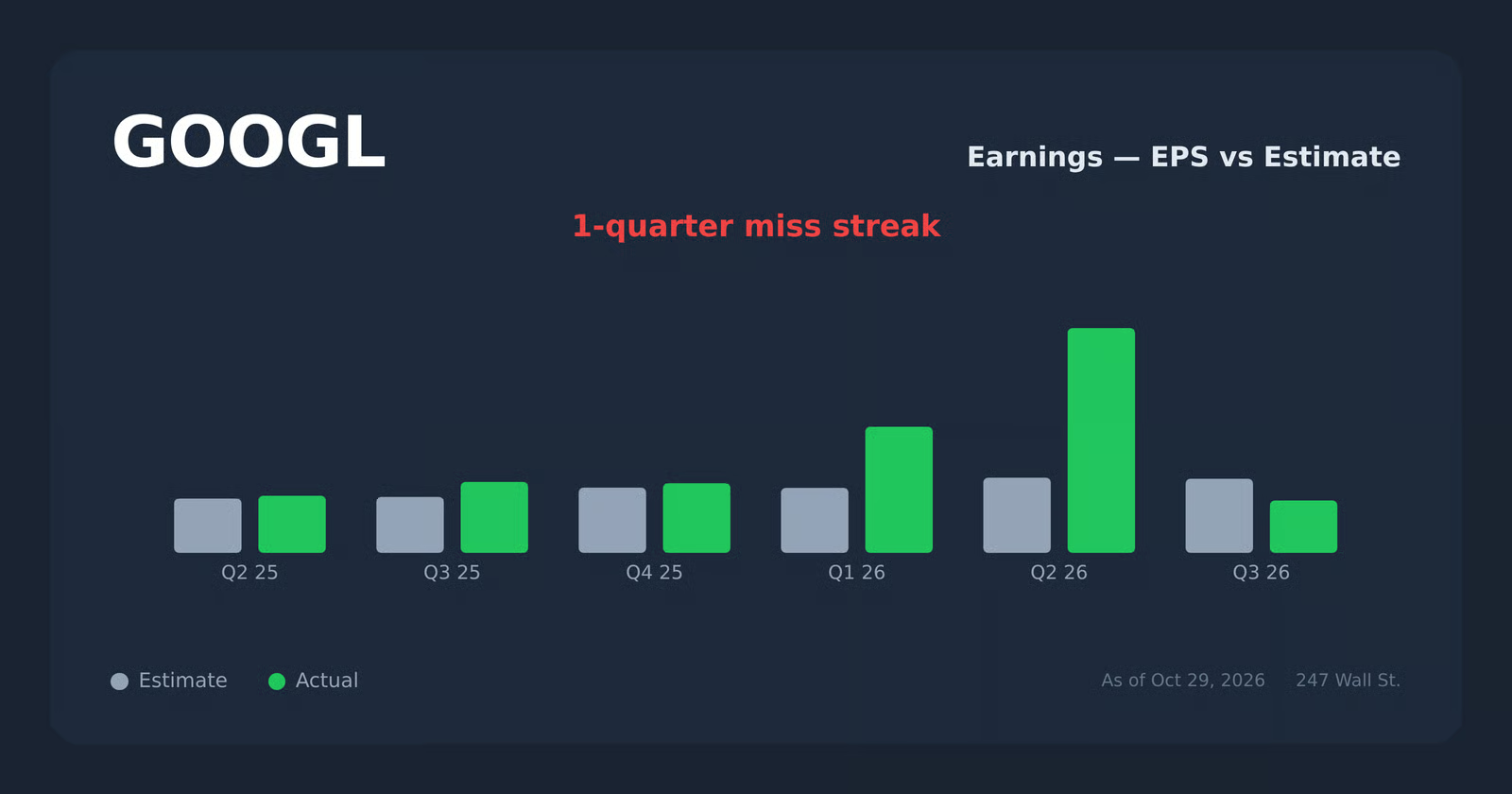
Alphabet just posted its worst post-earnings drop on record, and if you own XLC or QQQ, you absorbed the hit without buying a single Google share. The reason comes down to a concentration risk buried in your fund that most investors never think to check.

Meta is ramping up AI spending with a massive capital raise, raising cash-flow concerns. Explore its growth drivers, valuation and ETFs offering exposure to the stock.

Skydance shares staged a sharp single-day reversal after weeks of relentless post-merger selling, but whether buyers or sellers control the newly combined studio giant depends on what the integration numbers reveal next.

Verizon Communications Inc., AT&T Inc., and T-Mobile US, Inc. sold off 10–13% on Starlink spectrum news, creating a rare high-yield entry point. Starlink's competitive threat is years away, with satellite launches not starting until late 2027 and a viable ground network requiring $70B+ and significant time. Current FCF yields are ~12%, dividends ~5%, and recent guidance/earnings show strong cash flow, low churn, and rising margins across all three carriers.

XLK's lower fees and higher dividend yield appeal to cost-conscious investors, while IYW's broader portfolio of 149 holdings offers diversification across the Russell 1000 landscape.