
Loading…
Loading…

XHYC (BondBloxx USD High Yield Bond Consumer Cyclicals Sector ETF) is no longer actively trading.
This usually means the fund has been liquidated, merged into another product, or its ticker has been retired. Every price, valuation, dividend, and analyst figure on this page is frozen at the last available trading session and reads as historical reference — not a current-day signal.


Adventist Health System Sunbelt Healthcare Corp lessened its stake in BondBloxx USD High Yield Bond Consumer Cyclicals Sector ETF (NYSEARCA:XHYC) by 23.0% in the third quarter, according to the company in its most recent 13F filing with the Securities and Exchange Commission. The firm owned 659,000 shares of the company's stock after
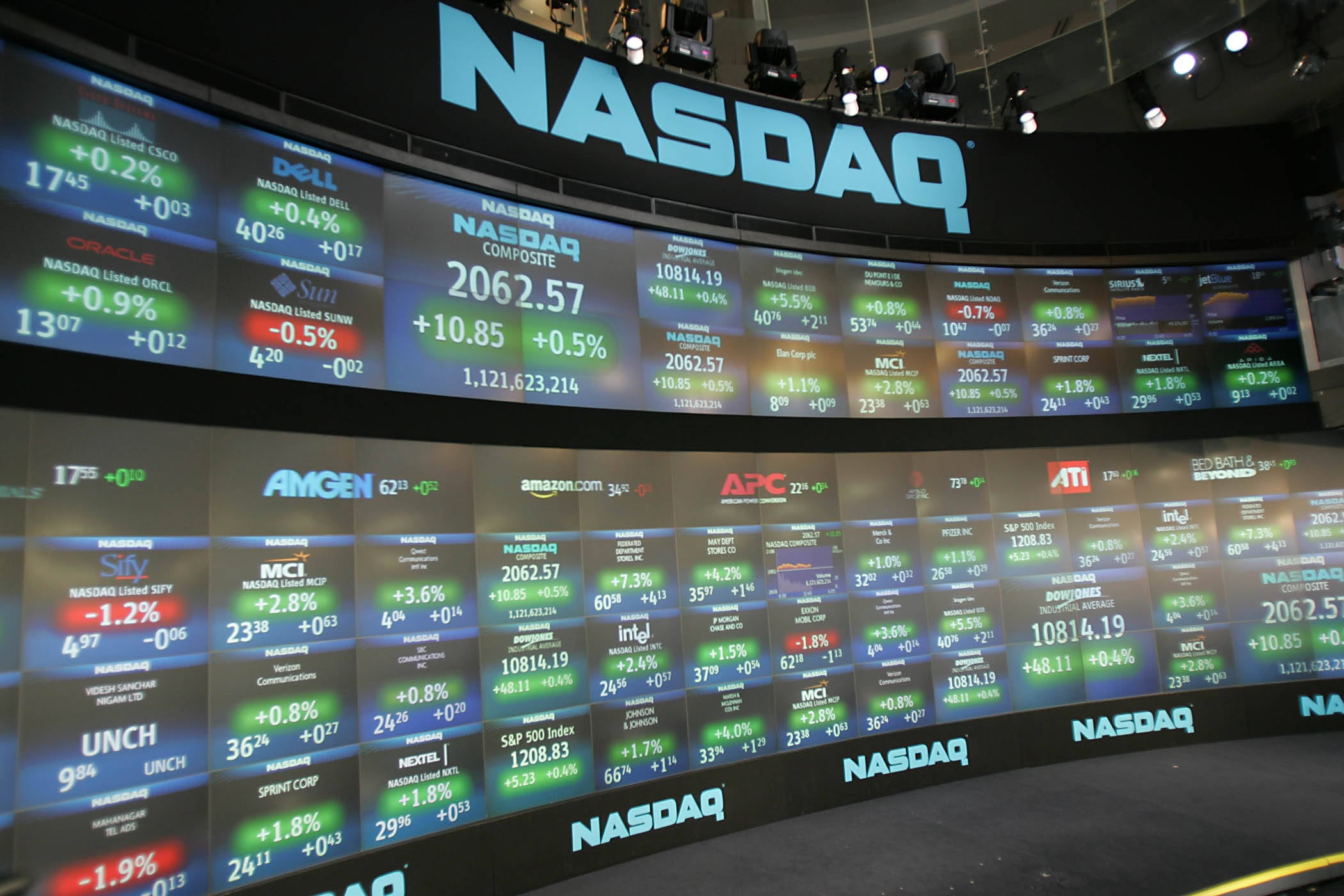
BondBloxx USD High Yield Bond Consumer Cyclicals Sector ETF (NYSEARCA:XHYC - Get Free Report) saw a large decrease in short interest during the month of December. As of December 15th, there was short interest totaling 82 shares, a decrease of 19.6% from the November 30th total of 102 shares. Approximately 0.0% of the company's stock

With summer travel and leisure spending underway, investors can utilize targeted high-yield sector investing to chase returns. Targeting a specific high-yield sector can provide a great deal of value to investors seeking portfolio diversification.

Macroeconomic uncertainty may have mounted in March, but high yield industry sectors still displayed room to grow. BondBloxx commentary noted that in March, total return performance was positive for all seven high yield industry sectors.

Despite any potential headwinds, the U.S. economy is continuing to show signs of resilience. For the week ended March 16, the Labor Department noted that claims for state unemployment benefits were falling.

The fate of potential interest rate changes from the Federal Reserve is still up in the air. But, high-yield bond sector ETFs remain a robust option for investors.

Last year, the market consensus was that there would be a recession in the second half of 2023. Instead, economic indicators have consistently outperformed market expectations.

Despite expectations for a recession in the second half of the year, markets were remarkably resilient in 2023. Inflation levels eased through most of the year, which enabled the Fed to pause its interest rate hikes.