
Loading…
Loading…


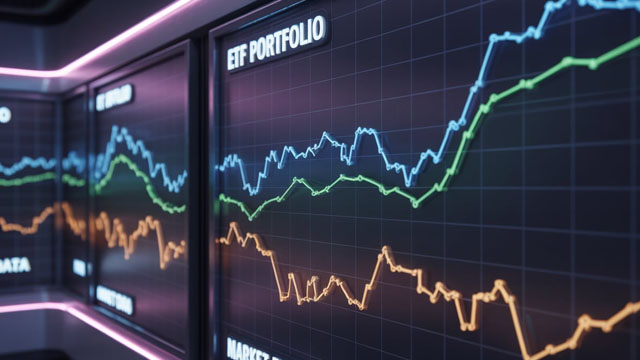
While momentum, growth, and high-beta strategies have served as the engines driving quarter-to-date returns for factor ETFs, a subtle shift under the hood suggests a potential factor rotation may be underway. Notably, the same sectors that have propelled the broad market higher this quarter encountered a sharp reversal over the past two trading sessions.

By the end of 2015, there were just over $2 trillion in total net assets in the U.S. ETF market, which would increase by over six times in the next decade. 2015 was also the year that Mannik Dhillon, president of VictoryShares and Victory Capital Solutions, joined the company.

Investing in some of the top monthly dividend paying ETFs can be an exhilarating exercise for some investors.
Though Wall Street is off to a good start to first-quarter 2023, a volatile ride is expected ahead as fears of further Fed rate hikes and global growth concerns remain.
How can you pick the best ETFs with so many to choose from?

Amid all the commotion in GameStop and other heavily shorted stocks last week, equity market volatility jumped. Low volatility exchange traded funds responded, trading less poorly than the S&P 500.

The low volatility factor isn't doing investors a lot of favors this year as the S&P 500 Low Volatility Index is off by 4.44%. That doesn't mean market participants should gloss over the factor in 2021.