
Loading…
Loading…

VPN (Global X Data Center REITs & Digital Infrastructure ETF) is no longer actively trading.
This usually means the fund has been liquidated, merged into another product, or its ticker has been retired. Every price, valuation, dividend, and analyst figure on this page is frozen at the last available trading session and reads as historical reference — not a current-day signal.

The fund invests at least 80% of its total assets, plus borrowings for investments purposes, in the securities of the Solactive Data Center REITs & Digital Infrastructure Index and in ADRs and GDRs based on the securities in the index. The index is designed to provide exposure to companies that have business operations in the fields of data centers, cellular towers, and/or digital infrastructure hardware. The fund is non-diversified.
Is VPN's expense ratio expensive, average, or a steal for its category?
Pro reveals the verdict on a 5-tier spectrum calibrated against ICI 2025 industry averages, with strategy-aware bands so the comparison is meaningful.
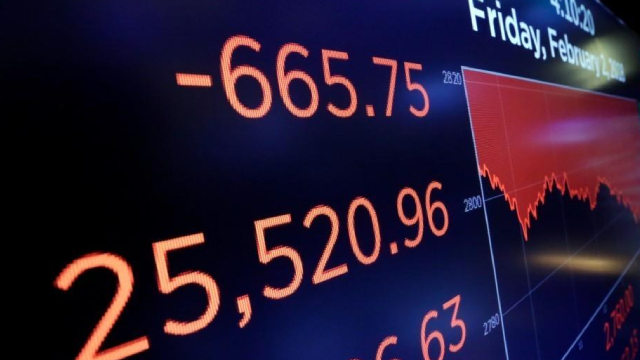
The stock market has enjoyed a remarkable run over the past 12 months. Driven by a successful soft landing engineered by the Federal Reserve and the initial excitement surrounding generative artificial intelligence (AI), 2025 rewarded risk-taking.
Apple has removed Meta's WhatsApp and Threads from its App Store in China on orders from the country's internet regulator, US media reported Friday.Mainland China has some of the world's most extensive internet censorship, with web users unable to access everything from Google to many foreign apps without workarounds such as a virtual private network (VPN)."We are obligated to follow the laws in the countries where we operate, even when we disagree," Apple said in a statement, according to Bloom...

During the week, a total of 16 new ETFs debuted on the U.S. markets. These included launches from AllianzIM, ProShares, Split Rock Trading, River1 Asset Management, Rayliant, Strategas, and Alger.

In its latest report released last December, the Bureau of Economic Analysis (BEA) estimates that the digital economy now represents 10% of the total U.S. GDP, or $2.6 trillion. The digital economy is also growing at an average annual growth rate of 7.1%.

With many companies and government agencies adopting AI, the sector's revenue this year will exceed $500 billion. Given the hugeness of that figure, many companies are going to profit a great deal from the proliferation of AI.