
Loading…
Loading…


Vanguard Growth Index Fund Admiral Shares (VIGAX) is a passively managed, low-cost investment vehicle that primarily allocates capital to equities of large-capitalization U.S. companies. These companies operate in market segments poised for faster expansion compared to the overall economy. Its objective is to mirror the performance of a specific broad growth index by holding a representative sample, or virtually all, of the securities within that benchmark, employing a long-term, buy-and-hold methodology. While exposed to general market fluctuations, a distinct risk lies in its concentration…
Is VIGAX's expense ratio expensive, average, or a steal for its category?
Pro reveals the verdict on a 5-tier spectrum calibrated against ICI 2025 industry averages, with strategy-aware bands so the comparison is meaningful.
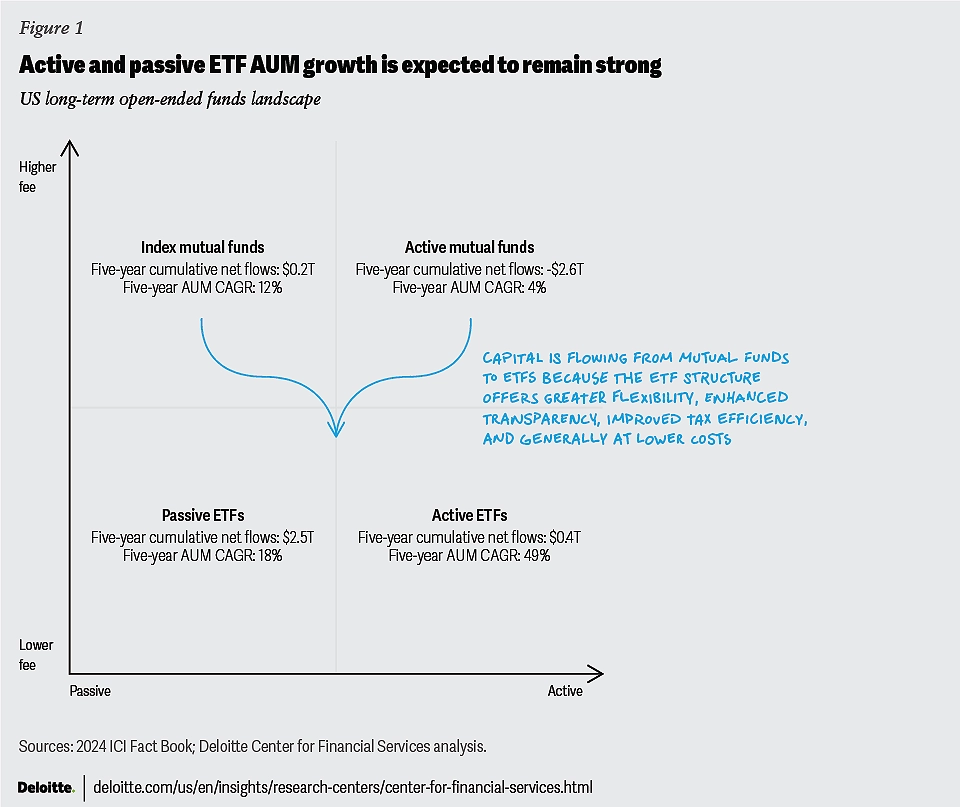
Index funds were supposed to bury active management, yet one fund with $360 billion in assets keeps writing checks to private AI companies that indexers cannot touch. What Capital Group built inside AGTHX defies the obituary Wall Street already wrote.

Index funds were supposed to have buried active management for good, yet one $360 billion mutual fund keeps writing checks to private AI companies that indexers cannot even touch. The question is whether the portfolio earns that privilege or just gets lucky timing.