
Loading…
Loading…



A pension check that freezes the moment you retire quietly loses ground every year as prices climb around it. Three funds approach this problem from different angles, and how you combine them changes everything.
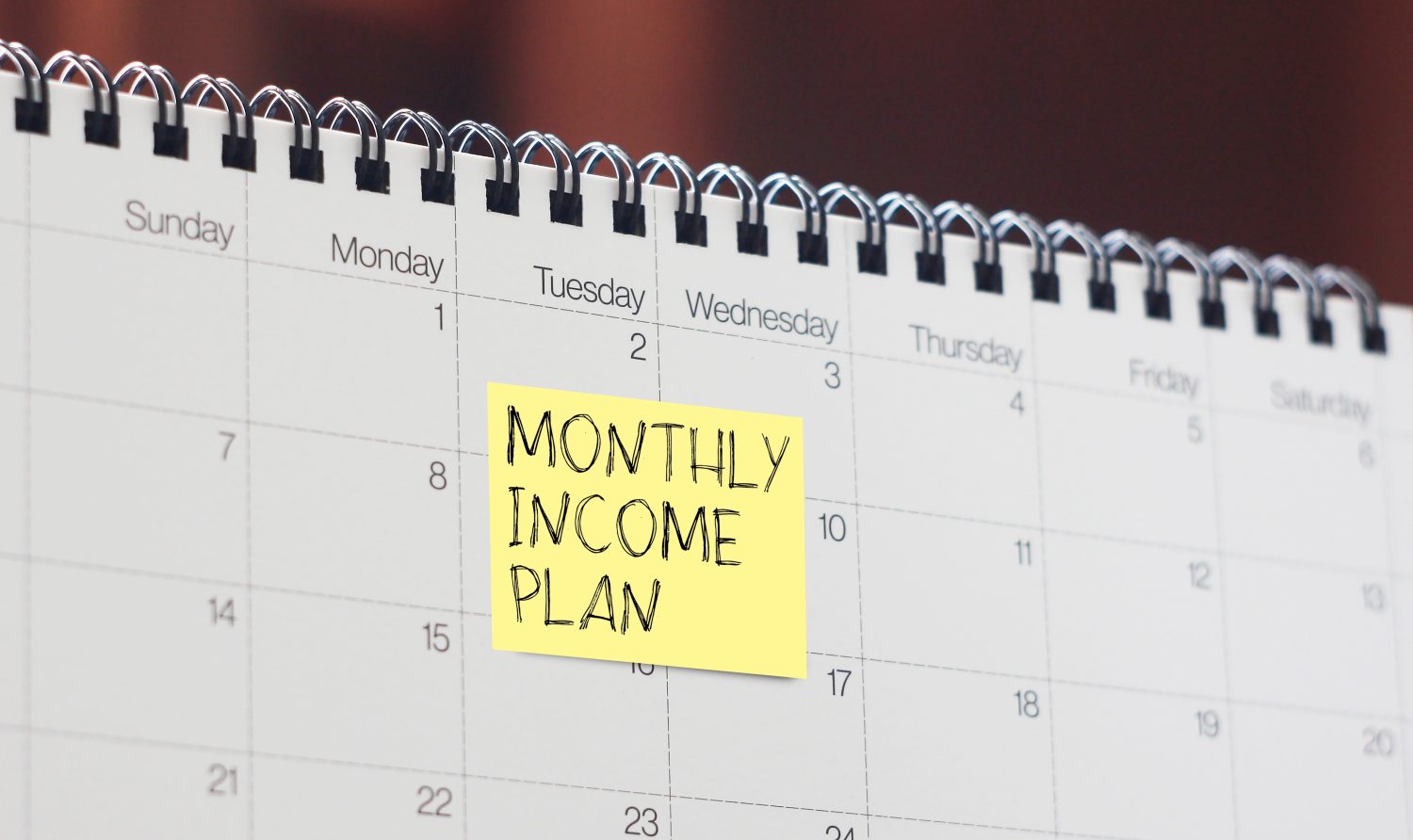
A six-figure monthly paycheck from dividends sounds straightforward until you see how three very different buckets fight each other, and which one quietly carries most of the risk.

Markets remain volatile amid inflation worries, geopolitical tensions and AI concerns. Explore ETFs to buy and hold for long-term growth and diversification.
These three dividend ETFs are great individually but even better together.
Prospera Capital Management LLC lifted its position in Vanguard Dividend Appreciation ETF (NYSEARCA:VIG) by 115.3% in the third quarter, according to the company in its most recent 13F filing with the Securities and Exchange Commission. The firm owned 7,657 shares of the company's stock after purchasing an additional 4,101 shares during the