
Loading…
Loading…


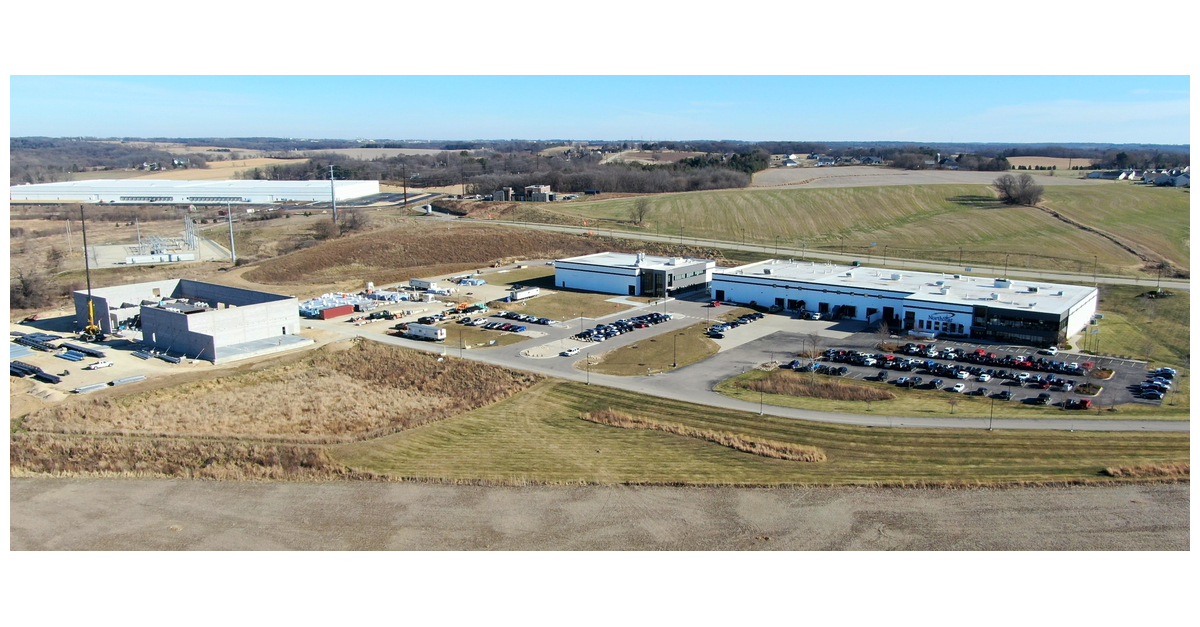
BELOIT, Wis.--(BUSINESS WIRE)--NorthStar Medical Radioisotopes, LLC, a global innovator in the development, production and commercialization of radiopharmaceuticals used for therapeutic and medical imaging applications, today announced a corporate update highlighting progress across its key programs during the past twelve months, and indicating important upcoming milestones. “NorthStar’s industry-leading reputation is grounded in technological innovation, successful execution and proven expertise, and we have made tremendous strides in advancing our portfolio over the past year,” said Stephen Merrick, Chief Executive Officer of NorthStar Medical Radioisotopes. “Our track record of success includes our program to supply U.S.-produced, non-uranium based Mo-99 for use in diagnostic imaging. NorthStar’s RadioGenix® Systems (technetium Tc 99m generator) have reliably delivered Tc-99m to meet the needs of radiopharmacies, health systems and patients, even during a twelve-month period fraught with serious supply shortages from overseas reactor-based producers. Mr. Merrick continued, “Demand for therapeutic radiopharmaceuticals is increasing rapidly. NorthStar is poised to be the first commercial-scale producer of therapeutic radioisotopes Cu-67 and non-carrier added (n.c.a.) Ac-225 using advanced, environmentally preferable electron accelerator technology. NorthStar has further deepened and broadened our business platform with the recent establishment of a full-scale radiopharmaceutical CDMO/CMO services unit. This unit will enable us to develop and manufacture patient doses for pharmaceutical or biotechnology companies as well as share our radiopharmaceutical development and commercialization expertise with them where they may require additional infrastructure, resources or the specialized knowledge required for complex radiopharmaceutical development. These capabilities will help them develop and deliver products with the potential to improve care for even more patients with serious disease. “In parallel with these initiatives, NorthStar’s imaging portfolio continues to advance,” Mr. Merrick further added. “The FibroScint program, a collaboration with Capella Imaging, to develop a Tc-99m agent to image fibrin, and collaboration with GE Healthcare to manufacture I-123 capsules are on track for further advancement this year. NorthStar has also made progress with adding value to the development of therapeutic radiopharmaceuticals through its agreements with Monopar Therapeutics and Inhibrx. These agreements have the potential to bring novel new treatments to patients with cancer, using radioisotopes to selectively destroy a wide range of cancer cells. Mr. Merrick concluded, “This is a very exciting and dynamic time for NorthStar and all those involved in nuclear medicine. We are proud to be a leader in expanding the horizons of patient health by providing innovative solutions to ensure robust, reliable access to radioisotopes and radiopharmaceutical products that can make a positive difference in healthcare for people around the world.” Commercial U.S. Mo-99/Tc-99m production and reliable supply Currently, and for more than four years, NorthStar, with the University of Missouri Research Reactor (MURR®), remains the only program that is a commercialized U.S. producer of Mo-99. The Company is aggressively expanding and establishing environmentally preferable dual production and processing hubs for additional Mo-99 capacity to better meet customer demand and ensure sustainable U.S. supply. Two facility expansion projects nearing completion in Beloit, Wisconsin, will augment current Mo-99 production and processing in Columbia, Missouri, conducted in partnership with MURR®. NorthStar’s Beloit, Wisconsin, Accelerator Production facility expansion will ensure additional Mo‑99 capacity, enable flexible production scheduling, including Sunday production, and minimize customer supply risks. NorthStar estimates that electron accelerator technology will increase its Mo-99 program production capability to meet nearly 40% of U.S. demand. The Accelerator Production facility is expected to come online, upon completion of regulatory submissions, in late 2023/early 2024. In January 2023, NorthStar set a new industry precedent in advancing non-uranium based commercial production of Mo-99 by achieving a “two beams on target” milestone in producing Mo-99 with electron accelerators, thus validating the proof of concept for large-scale U.S. Mo-99 production without the use of uranium. In November 2022, the United States Department of Energy’s National Nuclear Security Administration (DOE/NNSA) recognized NorthStar for completion of construction and equipment installation for its new Accelerator Production facility for Mo-99. NorthStar is the first and only program to achieve commercialized Mo-99 production through collaboration with the DOE/NNSA. The DOE/NNSA provided financial and technical support for the project as part of its program to increase U.S. production of the vital medical radioisotope Mo-99 without the use of highly enriched uranium, which is a proliferation-sensitive material. In September 2022, NorthStar and IBA signed a new agreement for two additional Rhodotron® TT300 HE electron beam accelerators, and associated beamlines, from IBA for the production of Mo-99. This agreement marks a total of five Rhodotron® accelerators that NorthStar has contracted with IBA to date. In January 2023, NorthStar set a new industry precedent in advancing non-uranium based commercial production of Mo-99 by achieving a “two beams on target” milestone in producing Mo-99 with electron accelerators, thus validating the proof of concept for large-scale U.S. Mo-99 production without the use of uranium. In November 2022, the United States Department of Energy’s National Nuclear Security Administration (DOE/NNSA) recognized NorthStar for completion of construction and equipment installation for its new Accelerator Production facility for Mo-99. NorthStar is the first and only program to achieve commercialized Mo-99 production through collaboration with the DOE/NNSA. The DOE/NNSA provided financial and technical support for the project as part of its program to increase U.S. production of the vital medical radioisotope Mo-99 without the use of highly enriched uranium, which is a proliferation-sensitive material. In September 2022, NorthStar and IBA signed a new agreement for two additional Rhodotron® TT300 HE electron beam accelerators, and associated beamlines, from IBA for the production of Mo-99. This agreement marks a total of five Rhodotron® accelerators that NorthStar has contracted with IBA to date. NorthStar’s Isotope Processing facility in Beloit will complement current Columbia processing capacity for Mo-99 source vessels. The facility will enable NorthStar to more than double its current Mo-99 processing capabilities. NorthStar expects to bring the Isotope Processing facility online, upon completion of regulatory submissions, in late 2023/early 2024. NorthStar’s unique production technology for Mo-99 offers a highly differentiated environmental advantage over traditional uranium-based methods. It results in comparatively benign, short-lived and easily managed waste streams, in contrast to uranium-based methods that result in highly radioactive, long-lived waste with significant burdens to global waste streams. RadioGenix® System commercial progress NorthStar’s innovative, high tech radioisotope separation platform, the RadioGenix System, uses U.S.-produced, non-uranium based Mo-99 to produce Tc-99m, the most widely used medical radioisotope that informs patient management decisions in 40,000 U.S. imaging studies daily. Ongoing product enhancements continue to maximize operational utility and efficiency of RadioGenix Systems in producing Tc-99m, including a well-advanced development program for the next generation radioisotope separation platform for the production of Tc-99m. RadioGenix Systems have generated almost two million doses of Tc-99m for patients’ diagnostic imaging studies to date, with utilization continuing to steadily increase. They have provided reliable Tc-99m supply to radiopharmacies and health system customers despite intermittent, and sometimes extended, shortages from suppliers using legacy, uranium-based production methods. Commercial-scale therapeutic radioisotope production – Cu-67 and n.c.a. Ac-225 NorthStar is poised to be the first commercial-scale supplier of the important therapeutic radioisotopes Cu-67 and n.c.a. Ac-225, both used to deliver therapeutic doses of radiation to destroy cancer cells in patients with serious disease, while sparing healthy tissue. Development of Cu-67 has been historically hampered by a lack of commercial chelators to securely hold copper in place without leakage in vivo, which limited demand for the isotope. Development of Ac-225 based therapies has been severely constrained by limitations in current production technology and very limited supply. NorthStar is applying its commercial-scale radioisotope production experience with Mo-99 to provide reliable Cu-67 and n.c.a. Ac-225 supply to advance clinical research and ensure adequate availability for commercial radiopharmaceutical products. The Company is leveraging its technology expertise demonstrated by the successful launch of the RadioGenix System and non-uranium based Mo-99, and key learnings from sophisticated techniques required in constructing its advanced Accelerator Production and Isotope Processing facilities. Like all NorthStar processes, electron accelerator production of Cu-67 and n.c.a. Ac-225 radioisotopes is non-uranium based and highly efficient. Cu-67 program NorthStar has an exclusive agreement with Clarity Pharmaceuticals for supply of Cu-67 to support Clarity’s clinical stage Targeted Copper Theranostic (TCT) programs with three theranostic trials currently underway in the United States. The TCT platform using Clarity’s proprietary SAR chelators to securely hold copper has recently expanded with their SAR-Bombesin prostate cancer program, while their SAR-bisPSMA and SARTATE theranostic programs are reaching later stage clinical development, thus driving demand for Cu‑67. NorthStar anticipates availability of radiochemical grade Cu-67 within a few weeks. Northstar’s electron accelerator production of Cu-67 is high volume and highly sustainable, allowing for an alternative to reactor-based therapeutic isotopes such as lutetium-177. The process is highly efficient with no associated long-lived radioactive contaminants. Cu-67 presents a unique opportunity to manufacture high-volume therapeutic radioisotopes domestically in the United States. n.c.a. Ac-225 program In March 2023, NorthStar achieved a major milestone in commercial-scale production of n.c.a. Ac-225 with the delivery and installation of a custom-built IBA Rhodotron® TT300-HE (High Energy) electron beam accelerator at its new Ac-225 Production facility in Beloit, Wisconsin. The state-of-the-art facility will be dedicated exclusively to the production of n.c.a. Ac-225 and is part of NorthStar’s expansion plan to ensure scalable, reliable and environmentally preferable production of n.c.a. Ac-225, that, once attached to a molecule, will be used for treatment of patients with cancer and other serious diseases. Progress on the facility is well underway, with initial production of radiochemical grade Ac-225 planned for late 2023/early 2024. NorthStar expects to submit a Drug Master File to the FDA in 2024, which, upon acceptance, will allow it to provide cGMP grade Ac-225. In October 2022, NorthStar and Eckert & Ziegler announced an agreement for the purchase of specially designed hot cells and related equipment for NorthStar’s Ac-225 Production facility and commercial-scale production of n.c.a. Ac-225. Hot cells are specially designed shielded enclosures that allow the safe handling of radioactive material. NorthStar has multiple supply agreements in place to provide clinical trial supply and commercial-scale quantities of Ac-225, and expects additional supply agreements during 2023. NorthStar has n.c.a. Ac-225 production capacity to meet all customer needs, from research through commercialization, and can readily scale up further as market demand increases. In October 2022, NorthStar and Radiopharm Theranostics signed a supply agreement under which NorthStar will provide Radiopharm with its n.c.a. Ac-225 for drug trials involving targeted alpha therapy in multiple disease areas. In August 2022, NorthStar and Aktis Oncology signed a supply agreement under which NorthStar will provide Aktis with its n.c.a. Ac-225 to advance development of its proprietary tumor-targeting agents intended to deliver transformative efficacy for patients with solid tumors. In July 2022, NorthStar and Clovis Oncology signed a supply agreement under which NorthStar will provide Clovis with its n.c.a. Ac-225 to radiolabel its lead peptide-targeted radionuclide therapeutic candidate, FAP-2286, which targets fibroblast activation protein (FAP), a promising theranostic target with expression across many tumor types. In June 2022, NorthStar and Curie Therapeutics (now Mariana Oncology) signed a priority access supply agreement under which NorthStar will provide Curie with its n.c.a. Ac-225 to advance its multimodal pipeline of precision radiopharmaceuticals to address broad unmet needs in treatment of patients with solid tumors. Additional n.c.a. Ac-225 supply agreements have been signed, but not disclosed, under confidentiality agreements with NorthStar pharmaceutical collaborators. In October 2022, NorthStar and Radiopharm Theranostics signed a supply agreement under which NorthStar will provide Radiopharm with its n.c.a. Ac-225 for drug trials involving targeted alpha therapy in multiple disease areas. In August 2022, NorthStar and Aktis Oncology signed a supply agreement under which NorthStar will provide Aktis with its n.c.a. Ac-225 to advance development of its proprietary tumor-targeting agents intended to deliver transformative efficacy for patients with solid tumors. In July 2022, NorthStar and Clovis Oncology signed a supply agreement under which NorthStar will provide Clovis with its n.c.a. Ac-225 to radiolabel its lead peptide-targeted radionuclide therapeutic candidate, FAP-2286, which targets fibroblast activation protein (FAP), a promising theranostic target with expression across many tumor types. In June 2022, NorthStar and Curie Therapeutics (now Mariana Oncology) signed a priority access supply agreement under which NorthStar will provide Curie with its n.c.a. Ac-225 to advance its multimodal pipeline of precision radiopharmaceuticals to address broad unmet needs in treatment of patients with solid tumors. Additional n.c.a. Ac-225 supply agreements have been signed, but not disclosed, under confidentiality agreements with NorthStar pharmaceutical collaborators. NorthStar is utilizing environmentally preferred production technology for its high purity n.c.a. Ac-225. Electron accelerators will produce n.c.a. Ac-225 that is free of long-lived radioactive contaminants and byproducts associated with many other production methods, which pose regulatory and waste management challenges for hospitals and health systems. NorthStar is evaluating additional potential opportunities for the production and commercialization of other novel radioisotopes to support the needs of researchers and pharmaceutical drug developers. Therapeutic radiopharmaceutical development NorthStar is actively engaged with select collaborators in advancing therapeutic radiopharmaceutical development and commercialization programs for the treatment of cancer and other serious disease. In February 2023, NorthStar and Monopar Therapeutics expanded their radiopharmaceutical collaboration for MNPR-101, a first-in-class anti-uPAR humanized monoclonal antibody planned to be radiolabeled with Ac-225 for treatment of advanced solid tumors and severe COVID-19. Based on promising recently generated preclinical imaging results, the companies committed to additional funding for future development of MNPR-101. In January 2023, NorthStar and Inhibrx announced a collaboration to develop and produce novel radiopharmaceuticals for the treatment of cancer. Under the agreement, NorthStar will support the development of a pre-specified number of Inhibrx’s novel biologic products by providing Ac-225 supply, specialized radiopharmaceutical development capabilities and access to its integrated radiopharmaceutical CDMO services. Under the agreement, NorthStar will prepare Inhibrx patient doses for clinical studies and, upon approval, may manufacture and supply radionuclides for Inhibrx’s commercial use. Radiopharmaceutical Contract Development and Manufacturing Organization (CDMO/CMO) services NorthStar announced a significant expansion of its business platform in November 2022 with the formation of a new, patient-focused radiopharmaceutical development and CDMO/CMO services unit. It will provide collaborator companies with a full range of customized radiopharmaceutical development and commercialization services, and serve NorthStar in progressing its own radiopharmaceutical programs as well as developing and manufacturing radiopharmaceutical patient doses. Ground has been broken on a new 47,000 square foot facility on the Company’s Beloit, Wisconsin campus. When complete, NorthStar will be the first and only U.S. company housing commercial-scale, multi-radioisotope production and radiopharmaceutical development services on the same campus, enabling collaborator companies to realize logistical, regulatory and cost benefits. NorthStar expects to deliver CDMO/CMO services in early 2025, pending appropriate licensure and regulatory approvals. NorthStar’s CDMO/CMO services unit will provide patient dose development and manufacturing capability and specialized radiopharmaceutical expertise to pharmaceutical and biotechnology companies, to help them develop and deliver products with the potential to improve care for patients with cancer and other serious disease. Diagnostic imaging portfolio NorthStar is actively developing and growing its strategic portfolio of positron emission tomography (PET) and single photon emission computed tomography (SPECT) radiopharmaceuticals for diagnostic imaging. NorthStar continues to advance FibroScint, a novel fibrin-specific diagnostic imaging agent labeled with Tc-99m for SPECT imaging. Pending successful development, FibroScint will have an initial application in the imaging of thrombus (blood clots) associated with left ventricular assist devices (LVADs), and other potential imaging applications in deep vein thrombosis and pulmonary embolism. The Company plans to use RadioGenix System-produced Tc-99m in clinical studies of FibroScint. An Investigational New Drug (IND) filing for a Phase 1 study is planned for 2024. NorthStar is collaborating with GE Healthcare to produce and distribute iodine-123 (I-123) capsules for use in SPECT imaging. I-123 is the proven radiopharmaceutical standard in diagnostic imaging studies for thyroid disease. GE Healthcare’s Pharmaceutical Diagnostics unit will manufacture and supply NorthStar with I-123 capsules under the NorthStar label using a new, state-of-the-art production system. Upon regulatory approvals, NorthStar will retain exclusive U.S. marketing and distribution rights for I-123 capsules in 100 µCi and 200 µCi formulations. FDA approval is expected in 2023. Corporate development and industry leadership NorthStar is firmly positioned for sustained, long-term growth and increasing global industry prominence. Company growth With more than 350 highly-skilled employees, NorthStar is a responsible corporate citizen and engaged community member. Its Beloit, Wisconsin campus is planned for long-term expansion to meet patients’ healthcare needs and growing global demand. NorthStar recently purchased an additional 22 acres of land to accommodate its new radiopharmaceutical CDMO facility and future growth. The 55-acre campus includes NorthStar’s corporate headquarters, an Accelerator Production facility for Mo-99 and Cu-67, an Isotope Processing facility, an Ac-225 Production facility for exclusive production of the therapeutic radioisotope Ac-225, and the radiopharmaceutical CDMO/CMO facility. NorthStar also has two R&D facilities in Madison, Wisconsin, and office space and a processing facility, located in the MURR® complex, in Columbia, Missouri. Environmentally responsible radioisotope production NorthStar continues to set leadership standards for domestic, environmentally preferable radioisotope production across its portfolio, to meet the needs of health systems and patients. NorthStar is committed to ensuring that health systems have access to innovative, clean solutions that minimize the environmental footprint of their nuclear medicine departments. All NorthStar processes are non-uranium based and employ the Company’s “Reduce, Recover, Reuse” approach for reliable, domestic and environmentally sound medical radioisotope production. New executives In June 2022, Frank Scholz, Ph.D., was promoted to President and Chief Operating Officer of NorthStar. Dr. Scholz has extensive operational experience in the pharmaceutical and life sciences industries, and will help lead the next phase of NorthStar’s growth. He holds oversight of Corporate Development, External Affairs, Sales, Marketing and Public Relations in addition to his previous responsibilities for Program Management, Regulatory Affairs, Engineering & Technology, Manufacturing Operations & Supply Chain, and Advanced Radioisotope & Therapeutic Technologies. Dr. Scholz will be instrumental in driving NorthStar’s initiatives across its portfolio. In May 2022, NorthStar appointed Monica Andersen as Vice President, Human Resources. She will hold responsibility for the Company’s Human Resources and Organizational Health functions. Ms. Andersen’s depth of human resources leadership in organizational design, talent recruitment, cultural enrichment, planning and development will further accelerate NorthStar’s growth. About the RadioGenix® System (Technetium Tc 99m Generator) The RadioGenix System is an innovative, high tech separation platform that is approved for processing non-uranium based molybdenum-99 (Mo-99) for the production of the important medical radioisotope, technetium-99m (Tc-99m). Prior to availability of RadioGenix technology, the U.S. supply chain for Mo-99 has been subject to frequent and sometimes severe interruptions that negatively impacted patient health care. Approved by the U.S. Food and Drug Administration (FDA) in 2018, the RadioGenix System is the first and only on-site, automated isotope separation system of its kind for use with non-uranium based Mo-99, designed to help alleviate shortage situations and expand domestic supply. Indication and Important Risk Information about the RadioGenix® System and Sodium Pertechnetate Tc 99m Injection USP INDICATION The RadioGenix® System is a technetium Tc-99m generator used to produce Sodium Pertechnetate Tc 99m Injection, USP. Sodium Pertechnetate Tc 99m Injection is a radioactive diagnostic agent and can be used in the preparation of FDA-approved diagnostic radiopharmaceuticals. Sodium Pertechnetate Tc 99m Injection is also indicated in: Adults for Salivary Gland Imaging and Nasolacrimal Drainage System Imaging (dacryoscintigraphy). Adults and pediatric patients for Thyroid Imaging and Vesicoureteral Imaging (direct isotopic cystography) for detection of vesicoureteral reflux. IMPORTANT RISK INFORMATION Allergic reactions (skin rash, hives, or itching) including anaphylaxis have been reported following the administration of Sodium Pertechnetate Tc 99m Injection. Monitor all patients for hypersensitivity reactions. Sodium Pertechnetate Tc 99m Injection contributes to a patient’s long-term cumulative radiation exposure. Ensure safe handling to protect patients and health care workers from unintentional radiation exposure. Use the lowest dose of Sodium Pertechnetate Tc 99m Injection necessary for imaging and ensure safe handling and preparation to protect the patient and health care worker from unintentional radiation exposure. Encourage patients to drink fluids and void as frequently as possible after intravenous or intravesicular administration. Advise patients to blow their nose and wash their eyes with water after ophthalmic administration. Radiation risks associated with the use of Sodium Pertechnetate Tc 99m Injection are greater in children than in adults and, in general, the younger the child, the greater the risk owing to greater absorbed radiation doses and longer life expectancy. These greater risks should be taken firmly into account in all benefit-risk assessments involving children. Long-term cumulative radiation exposure may be associated with an increased risk of cancer. Temporarily discontinue breastfeeding. A lactating woman should pump and discard breastmilk for 12 to 24 hours after Sodium Pertechnetate Tc 99m Injection administration. Sodium Pertechnetate Tc 99m Injection should be given to pregnant women only if the expected benefits to be gained clearly outweigh the potential hazards. Only use potassium molybdate Mo-99, processing reagents, saline and other supplies, including kit/packs, provided by NorthStar Medical Radioisotopes. Do not administer Sodium Pertechnetate Tc 99m Injection after the 0.15 microCi of Mo-99/mCi of Tc-99m limit has been reached or when the 24 hour expiration time from elution is reached, whichever occurs earlier. Follow step-by-step instructions for use provided in the Operator’s Guide, RadioGenix System 1.2. To report SUSPECTED ADVERSE REACTIONS, contact NorthStar® Medical Radioisotopes, LLC at 1-844-438-6659; or FDA at 1-800-332-1088 or www.fda.gov/medwatch. For RadioGenix® System version 1.2 Full Prescribing Information, click here or visit https://www.northstarnm.com/wp-content/uploads/2023/02/RadioGenix-System-version-1.2-Package-Insert-Rev-08-Jan-2023.pdf. About NorthStar Medical Radioisotopes, LLC NorthStar Medical Radioisotopes is a commercial-stage nuclear medicine company focused on advancing patient care by providing diagnostic and therapeutic radioisotopes, novel radiopharmaceuticals and customized radiopharmaceutical development services. Its proven management team and state-of-the-art, environmentally preferable and non-uranium based technologies have made it an emerging leader at the forefront of U.S. medical radioisotope and radiopharmaceutical production. NorthStar’s molybdenum-99 (Mo-99) program is the sole source of domestic Mo-99, used to generate the standard-of-care diagnostic imaging radioisotope for assessing heart disease and cancer. It is expanding its industry-leading position in the growing area of therapeutic radioisotopes, used in targeted radiopharmaceutical therapy to treat cancer and other serious diseases, and is poised to be the first commercial-scale producer of non-carrier added (n.c.a.) actinium-225 (Ac-225) and copper-67 (Cu-67). NorthStar’s Radiopharmaceutical Contract Development and Manufacturing Organization (CDMO/CMO) services unit will provide customized service offerings and specialized radiopharmaceutical expertise to help biopharmaceutical companies rapidly advance their development and commercialization programs. For more information about NorthStar’s comprehensive portfolio and patient-focused services, visit: www.northstarnm.com.

DUBLIN--(BUSINESS WIRE)--The "Conjugated Monoclonal Antibodies Global Market Report 2022: By Drugs, By Technology, By Application" report has been added to ResearchAndMarkets.com's offering. The global conjugated monoclonal antibodies market is expected to grow from $8.89 billion in 2021 to $9.64 billion in 2022 at a compound annual growth rate (CAGR) of 8.5%. The market is expected to reach $12.09 billion in 2026 at a CAGR of 5.8%. Major players in the conjugated monoclonal antibodies market are Pfizer Inc., F. Hoffmann-LA, Bristol -Myers Squibb, Merck & Co. Inc., Immunomedics Inc., Takeda Pharmaceuticals Industries Ltd., Daiichi Sankyo Company Limited, Actinium Pharmaceutical, Nordic Nanovector Inc., and Spectrum Pharmaceuticals Inc. The conjugated monoclonal antibodies market consists of the sales of conjugated monoclonal antibodies. Conjugated monoclonal antibodies are monoclonal antibodies (mAbs) associated with a chemotherapy drug or a radioactive particle. These are used in the treatment of cancer as they deliver the toxic substance directly to the tumor cells by reducing damage to normal cells in other parts of the body. The main types of drugs in conjugated monoclonal antibodies are adcetris and kadcyla. Adcetris is a brand-name pharmaceutical drug intended to cure adults with certain types of lymphoma. Lymphoma is a cancer which attacks the lymphatic system and lymphocytes, that are white blood cells. The different technologies include cleavable linker, non-cleavable linker and is used in blood cancer, breast cancer, ovarian cancer, lung cancer, brain tumour, others. North America was the largest region in the conjugated monoclonal antibodies market in 2021. Middle East is expected to be the largest growing region in the forecast period. The regions covered in this report are Asia-Pacific, Western Europe, Eastern Europe, North America, South America, Middle East and Africa. The increasing popularity and therapeutic potential of conjugated monoclonal antibodies especially antibody-drug conjugate is expected to drive the conjugated monoclonal antibodies market over the forecast period. Antibody-drug conjugates (ADCs), are class of therapeutics consisting of monoclonal antibodies (MAbs) clubbed with highly potent cytotoxic drugs through a linker to kill the antigen-expressing tumor cells, predominantly used in the treatment of cancer. The U.S. Food and Drug Administration approved only five antibody-drug conjugates drugs till 2018 and in 2019, it has approved three antibody-drug conjugates drugs indicating that the increased number of approvals is directly proportional to the use of conjugated monoclonal antibodies mainly in the field of cancer which in turn aids in the growth of the market. The high cost of conjugated monoclonal antibodies is anticipated to limit the growth of the conjugated monoclonal antibodies market. For instance, the cost of the first FDA approved radioimmunotherapy drug Yttrium 90 Ibritumomab Tiuxetan therapeutic (Zevalin) is priced at around $55,000. Moreover, Padcev, an antibody-drug conjugate from Seattle Genetics and Astellas which was approved in December 2019 cost between $110,000 to $120,000 for a course of treatment. The high cost of the therapy makes it unaffordable for the patients and healthcare systems of underdeveloped countries which hinders the growth of the conjugated monoclonal antibodies market. Companies operating in the conjugated monoclonal antibodies market are focusing on strategic collaborations and partnerships for developing new conjugated monoclonal antibodies shaping the market. For instance, in October 2019 NovoCodex, a subsidiary of Zhejiang Medicine Co Ltd collaborated for the second time with Ambrx Inc, a USA-based company engaged in developing protein therapeutics to develop and commercialize Ambrx's internally developed site-specific antibody-drug conjugate, ARX305 used for the treatment of CD70 positive cancers. Following the trend, in June 2020, Monopar Therapeutics, a USA-based biopharmaceutical company, and NorthStar Medical Radioisotopes entered in collaboration to couple Monopar's MNPR-101 a humanized urokinase plasminogen activator receptor (uPAR) targeted monoclonal antibody in pre-IND stage to a therapeutic radioisotope of NorthStar to create a highly selective agent, which has the potential to kill aberrantly activated cytokine-producing immune cells. In July 2020, AstraZeneca, a UK-based drugmaker has entered into a partnership with Daiichi Sankyo for an amount of $6 billion. This deal is for the global development and commercialization of DS-1062, a TROP2-targeted antibody-drug conjugate (ADC) which is a type of drug that works by using a monoclonal antibody to deliver an attached pharmaceutical payload directly to tumor cells. Daiichi Sankyo is a Japanese based pharmaceutical company engaged in the development of antibody-drug conjugates. Key Topics Covered: 1. Executive Summary 2. Conjugated Monoclonal Antibodies Market Characteristics 3. Conjugated Monoclonal Antibodies Market Trends And Strategies 4. Impact Of COVID-19 On Conjugated Monoclonal Antibodies 5. Conjugated Monoclonal Antibodies Market Size And Growth 5.1. Global Conjugated Monoclonal Antibodies Historic Market, 2016-2021, $ Billion 5.1.1. Drivers Of The Market 5.1.2. Restraints On The Market 5.2. Global Conjugated Monoclonal Antibodies Forecast Market, 2021-2026F, 2031F, $ Billion 5.2.1. Drivers Of The Market 5.2.2. Restraints On the Market 6. Conjugated Monoclonal Antibodies Market Segmentation 6.1. Global Conjugated Monoclonal Antibodies Market, Segmentation By Drugs, Historic and Forecast, 2016-2021, 2021-2026F, 2031F, $ Billion Adcetris Kadcyla 6.2. Global Conjugated Monoclonal Antibodies Market, Segmentation By Technology, Historic and Forecast, 2016-2021, 2021-2026F, 2031F, $ Billion Cleavable Linker Non-cleavable Linker 6.3. Global Conjugated Monoclonal Antibodies Market, Segmentation By Application, Historic and Forecast, 2016-2021, 2021-2026F, 2031F, $ Billion Blood Cancer Breast Cancer Ovarian Cancer Lung Cancer Brain Tumour Others 7. Conjugated Monoclonal Antibodies Market Regional And Country Analysis 7.1. Global Conjugated Monoclonal Antibodies Market, Split By Region, Historic and Forecast, 2016-2021, 2021-2026F, 2031F, $ Billion 7.2. Global Conjugated Monoclonal Antibodies Market, Split By Country, Historic and Forecast, 2016-2021, 2021-2026F, 2031F, $ Billion Companies Mentioned Pfizer inc. F.Hoffmann-LA Bristol -Myers Squibb Merck & Co. inc. Immunomedics inc. Takeda Pharmaceuticals Industries Ltd. Daiichi Sankyo Company Limited Actinium Pharmaceutical Nordic Nanovector inc. Spectrum Pharmaceuticals inc. AbbVie inc. Roche Ltd. Bayer AG AstraZeneca Novartis AG For more information about this report visit https://www.researchandmarkets.com/r/psr4ba

DUBLIN--(BUSINESS WIRE)--The "Conjugated Monoclonal Antibodies Global Market Report 2021: COVID-19 Growth and Change to 2030" report has been added to ResearchAndMarkets.com's offering. The global conjugated monoclonal antibodies market is expected to grow from $7.98 billion in 2020 to $8.55 billion in 2021 at a compound annual growth rate (CAGR) of 7.1%. The market is expected to reach $11.43 billion in 2025 at a CAGR of 8%. Major players in the conjugated monoclonal antibodies market are Pfizer Inc., F. Hoffmann-LA, Bristol -Myers Squibb, Merck & Co. Inc., Immunomedics Inc., Takeda Pharmaceuticals Industries Ltd., Daiichi Sankyo Company Limited, Actinium Pharmaceutical, Nordic Nanovector Inc., and Spectrum Pharmaceuticals Inc. The conjugated monoclonal antibodies market consists of the sales of conjugated monoclonal antibodies. Conjugated monoclonal antibodies are monoclonal antibodies (mAbs) associated with a chemotherapy drug or a radioactive particle. These are used in the treatment of cancer as they deliver the toxic substance directly to the tumor cells by reducing damage to normal cells in other parts of the body. The high cost of conjugated monoclonal antibodies is anticipated to limit the growth of the conjugated monoclonal antibodies market. For instance, the cost of the first FDA approved radioimmunotherapy drug Yttrium 90 Ibritumomab Tiuxetan therapeutic (Zevalin) is priced at around $55,000. Moreover, Padcev, an antibody-drug conjugate from Seattle Genetics and Astellas which was approved in December 2019 cost between $110,000 to $120,000 for a course of treatment. The high cost of the therapy makes it unaffordable for the patients and healthcare systems of underdeveloped countries which hinders the growth of the conjugated monoclonal antibodies market. In July 2020, AstraZeneca, a UK-based drugmaker has entered into a partnership with Daiichi Sankyo for an amount of $6 billion. This deal is for the global development and commercialization of DS-1062, a TROP2-targeted antibody-drug conjugate (ADC) which is a type of drug that works by using a monoclonal antibody to deliver an attached pharmaceutical payload directly to tumor cells. Daiichi Sankyo is a Japanese based pharmaceutical company engaged in the development of antibody-drug conjugates. The increasing popularity and therapeutic potential of conjugated monoclonal antibodies especially antibody-drug conjugate is expected to drive the conjugated monoclonal antibodies market over the forecast period. Antibody-drug conjugates (ADCs), are class of therapeutics consisting of monoclonal antibodies (MAbs) clubbed with highly potent cytotoxic drugs through a linker to kill the antigen-expressing tumor cells, predominantly used in the treatment of cancer. The U.S. Food and Drug Administration approved only five antibody-drug conjugates drugs from 2000 to 2018 and in 2019, it has approved three antibody-drug conjugates drugs indicating that the increased number of approvals is directly proportional to the use of conjugated monoclonal antibodies mainly in the field of cancer which in turn aids in the growth of the market. Companies operating in the conjugated monoclonal antibodies market are focusing on strategic collaborations and partnerships for developing new conjugated monoclonal antibodies shaping the market. For instance, in October 2019 NovoCodex, a subsidiary of Zhejiang Medicine Co Ltd collaborated for the second time with Ambrx Inc, a USA-based company engaged in developing protein therapeutics to develop and commercialize Ambrx's internally developed site-specific antibody-drug conjugate, ARX305 used for the treatment of CD70 positive cancers. Following the trend, in June 2020, Monopar Therapeutics, a USA-based biopharmaceutical company, and NorthStar Medical Radioisotopes entered in collaboration to couple Monopar's MNPR-101 a humanized urokinase plasminogen activator receptor (uPAR) targeted monoclonal antibody in pre-IND stage to a therapeutic radioisotope of NorthStar to create a highly selective agent, which has the potential to kill aberrantly activated cytokine-producing immune cells. Key Topics Covered: 1. Executive Summary 2. Conjugated Monoclonal Antibodies Market Characteristics 3. Conjugated Monoclonal Antibodies Market Trends and Strategies 4. Impact Of COVID-19 On Conjugated Monoclonal Antibodies 5. Conjugated Monoclonal Antibodies Market Size and Growth 5.1. Global Conjugated Monoclonal Antibodies Historic Market, 2015-2020, $ Billion 5.1.1. Drivers Of the Market 5.1.2. Restraints On the Market 5.2. Global Conjugated Monoclonal Antibodies Forecast Market, 2020-2025F, 2030F, $ Billion 5.2.1. Drivers Of the Market 5.2.2. Restraints On the Market 6. Conjugated Monoclonal Antibodies Market Segmentation 6.1. Global Conjugated Monoclonal Antibodies Market, Segmentation by Drugs, Historic and Forecast, 2015-2020, 2020-2025F, 2030F, $ Billion Adcetris Kadcyla 6.2. Global Conjugated Monoclonal Antibodies Market, Segmentation by Technology, Historic and Forecast, 2015-2020, 2020-2025F, 2030F, $ Billion Cleavable Linker Non-cleavable Linker 6.3. Global Conjugated Monoclonal Antibodies Market, Segmentation by Application, Historic and Forecast, 2015-2020, 2020-2025F, 2030F, $ Billion Blood Cancer Breast Cancer Ovarian Cancer Lung Cancer Brain Tumour Others 7. Conjugated Monoclonal Antibodies Market Regional and Country Analysis 7.1. Global Conjugated Monoclonal Antibodies Market, Split by Region, Historic and Forecast, 2015-2020, 2020-2025F, 2030F, $ Billion 7.2. Global Conjugated Monoclonal Antibodies Market, Split by Country, Historic and Forecast, 2015-2020, 2020-2025F, 2030F, $ Billion Companies Mentioned Pfizer Inc. F. Hoffmann-LA Bristol -Myers Squibb Merck & Co. Inc. Immunomedics Inc. Takeda Pharmaceuticals Industries Ltd. Daiichi Sankyo Company Limited Actinium Pharmaceutical Nordic Nanovector Inc. Spectrum Pharmaceuticals Inc AbbVie Inc Roche Ltd Bayer AG AstraZeneca Novartis AG For more information about this report visit https://www.researchandmarkets.com/r/og1hov

On Tuesday, Toroso Asset Management launched the UPAR Ultra Risk Parity ETF (UPAR), expanding its line-up of risk parity ETFs with a new product aimed at investors looking for more upside. The new actively managed ETF is designed to provide leverage of 160–180% to a risk-balanced portfolio.
SAN DIEGO--(BUSINESS WIRE)--A team of Italian scientists reported this week that blocking the interaction between urokinase receptor (uPAR) and formyl peptide receptor type 1 (FPR1) suppresses the ability of melanoma cells to migrate, invade through an extracellular matrix, and to burrow through a layer of endothelial cells. Within gene knockdown and overexpression experiments, Maria Motti and colleagues employed an xCELLigence Real-Time Cell Analysis instrument to continuously track the migration/invasion of melanoma cells. The real-time tracking of these processes in a non-invasive manner using gold biosensors enabled them to tease apart subtle differences in kinetic behavior that would have gone unnoticed in a conventional endpoint assay. Melanoma currently affects more than 3 million people globally, resulting in ~60,000 deaths each year. Owing to its tendency to metastasize through the blood and lymphatic vessels, it is the most aggressive form of skin cancer. Although the five-year survival rate is 98% for patients with localized disease, this drops to just 17% once metastasis has occurred. To date, effective treatments for metastatic melanoma are lacking. Citing that there is a growing “awareness that cancer therapy should include, in addition to treatment of the primary tumor and established metastases, also the prevention of metastasis formation,” a focus of Motti’s team has been the disruption of key protein-protein interactions that facilitate melanoma cell migration along chemical gradients. In their newest paper, published in the Journal of Experimental & Clinical Cancer Research, these scientists demonstrated that overexpression of uPAR and FPR1, which is known to occur in melanoma and to contribute to disease progression, promote metastatic disease phenotypes within melanoma cell lines in vitro. Using either a peptide antagonist of the uPAR-FPR1 interaction or an antibody that targets uPAR, the authors were able to suppress melanoma cell migration and invasion. Importantly, the peptide antagonist used here was effective at nanomolar concentrations, had no impact on cell proliferation, and displayed high stability in serum due to the retro-inverso nature of its construction. On the basis of their findings Motti’s team suggests that disrupting the uPAR-FPR1 interaction may be a viable means of blocking the progression of metastasis in melanoma patients. Since the proportion of these patients who have metastases at the time of diagnosis is high, they suggest that “combining current therapy with a systemic anti-metastatic agent might considerably improve the outcome.” Motti and coworkers’ full manuscript can be viewed here. About xCELLigence® RTCA xCELLigence® Real-Time Cell Analysis (RTCA) instruments utilize gold biosensors embedded in the bottom of microtiter wells to non-invasively monitor the status of adherent cells using the principle of cellular impedance. In short, cells act as insulators – impeding the flow of a miniscule electric current between electrodes. This impedance signal is measured automatically, at an interval defined by the user, and provides an extremely sensitive readout of cell number, cell size, cell-substrate attachment strength, and cell invasion/migration. xCELLigence® RTCA instruments are being used in both academia and industry for basic and applied applications ranging from cancer immunotherapy and cardiotoxicity to drug discovery and viral titer determination. To date xCELLigence® has been used in more than 1,400 publications, which can be viewed in a searchable library. About ACEA Biosciences Founded in 2002, ACEA Biosciences is a pioneer in the development and commercialization of high-performance, cutting-edge cell analysis platforms for life science research. ACEA’s xCELLigence® impedance-based, label-free, real-time cell analysis instruments and NovoCyte® flow cytometer are used in pre-clinical drug discovery and development, toxicology, safety pharmacology, and basic academic research. More than 2,000 instruments have been placed globally. For more information visit: http://www.aceabio.com.
PARIS--(BUSINESS WIRE)--Regulatory News: Onxeo S.A. (Euronext Paris, NASDAQ Copenhagen: ONXEO), (“Onxeo” or the “Company”), a clinical-stage biotechnology company specializing in the development of innovative drugs for the treatment of orphan diseases, in particular in oncology, today announces the Company has granted a global exclusive license of its product Validive® (clonidine mucoadhesive buccal tablet) developed for the treatment of severe oral mucositis induced by radiotherapy or chemotherapy in patients suffering from head and neck cancer to Monopar Therapeutics (Chicago, Illinois, USA), a biopharmaceutical company focused on developing innovative drug combinations to improve clinical outcomes in advanced cancer. Following the phase II trial, the company had announced that it would not initiate the next clinical steps on its own for this asset but would actively look for an industrial partner to further its development. Under the agreement, Monopar Therapeutics Inc. receives an exclusive worldwide license to develop, register, commercialize and manufacture Validive®. Monopar Therapeutics will drive and fund all remaining development and regulatory activities, the first of these activities being a phase III registration study. “Severe oral mucositis occurs in the majority of patients treated with radiotherapy/chemotherapy for head and neck cancer but there is no effective prevention or treatment available to date,” said Chandler D. Robinson, MD, MBA, MSc, CEO of Monopar Therapeutics Inc. “We are pleased with this agreement and strongly believe in the potential of Validive® to answer this large unmet need. The acquisition of a phase III-ready asset is fully aligned with our strategy to build a strong and diversified portfolio of oncology products that will improve clinical outcomes in patients with advanced cancer.” Onxeo is entitled to an immediate $1.0m license fee and to future milestone payments that could reach up to $108m subject to the achievement of the agreed upon milestones, including $15.5m related to regulatory milestones, from phase III to registration. Escalating royalties on sales up to a 2-digit percentage are also part of the agreement. " It was our stated intention after its successful Phase II to partner Validive® prior to initiating any remaining development steps, as it was the best strategy to maximize its value for Onxeo," said Judith Greciet, CEO of Onxeo. "This licensing transaction with Monopar Therapeutics is fully in line with this strategy and further demonstrates our capacity to execute such value-creating deals. We are pleased that Validive will get the opportunity to one day serve the unmet needs of many patients affected with severe oral mucositis, while, on our end, we are focusing all our energy on our pipeline of unique breakthrough compounds in orphan oncology.” About Validive® (clonidine mucoadhesive buccal tablet) Validive® is a therapeutic application of clonidine based on Onxeo’s proprietary mucoadhesive tablet technology. This technology significantly increases the mucous and salivary concentrations of the active ingredient it contains, with decreased systemic absorption. As an agonist of the alpha-2 adrenergic receptors, Validive® exhibits anti-inflammatory properties, and was developed for the prevention and treatment of chemo/radiation therapy-induced severe oral mucositis in patients with head and neck cancer. A Phase II, multi-center, double-blind, randomized, placebo-controlled, three-arm study (NCT01385748) in 183 patients in Europe and in the US demonstrated that the therapy significantly reduces incidence of severe mucositis, improves oral mucositis related symptoms and decreases radiotherapy-related adverse events, and exhibits a favorable safety profile and strong adherence to treatment. Validive® was granted orphan drug status in Europe in November 2011 and also received Fast-Track status from the U.S. Food and Drug Administration (FDA) in January 2014. The Company had stated in 2016 its intention to seek a partner for this product. About Monopar Therapeutics Monopar Therapeutics Inc. is an emerging biopharmaceutical company focused on developing innovative drug combinations to improve clinical outcomes in advanced cancer. Monopar’s lead compound, huATN-658, is a novel monoclonal antibody for the potential treatment of several deadly cancers. huATN-658 targets the urokinase plasminogen activator receptor (uPAR). Cancer Research UK will be conducting huATN-658’s early development, including a Phase I clinical trial. Monopar’s team is located in San Francisco, CA and Chicago, IL. Learn more by visiting www.monopartherapeutics.com About Onxeo Onxeo is a biotechnology company developing innovative drugs for the treatment of orphan diseases in oncology, driven by high therapeutic demand in one of the fastest growing segments of the pharmaceutical industry. Onxeo’s objective is to become a major international player in the field of rare or resistant cancers. Its growth strategy is to develop innovative, effective, and safe drugs based on breakthrough technologies that can make a real difference in patients’ lives, by acquiring or in-licensing first-in-class or unique compounds at an early stage and bringing them through translational research and proof of concept clinical development up to value-creating inflexion points. Onxeo’s orphan oncology pipeline comprises products in several on-going preclinical and clinical programs, alone or in combination for various cancer indications. Livatag® is a nanoparticle formulation of the chemotherapy doxorubicin, developed using Onxeo’s proprietary Transdrug™ technology designed to facilitate the penetration of the drug into the tumor cell and increase the target DNA exposure to the drug, thereby bypassing the mechanisms of multi-drug resistance developed by tumor cells. Beleodaq® (belinostat): a HDAC inhibitor, conditionally FDA-approved in the US in 2014 under the agency’s accelerated approval program as a second-line treatment for patients with peripheral T-cell lymphoma (PTCL) and currently marketed by Onxeo’s partner in the US, Spectrum Pharmaceuticals; Onxeo is currently developing an oral formulation of belinostat, to facilitate its use in combination and extend its IP protection ; belinostat in combination with other anti-cancer agents is also in ongoing development in other liquid or solid tumors, with the filing a phase 1 expected by the end of 2017. AsiDNA™: a first-in-class siDNA (signal-interfering DNA) candidate which has successfully undergone a proof-of-concept Phase I trial with a local administration in metastatic melanoma. Recent positive preclinical proof-of-concept results confirmed AsiDNA™ activity via systemic administration in a murine model of triple negative breast cancer (TNBC). The Company now plans to prepare a phase I trial via systemic administration by the end of 2017. The Company is headquartered in Paris, France with offices in Copenhagen and in New York, and has approximately 60 employees. Onxeo is listed on Euronext in Paris, France and Nasdaq Copenhagen, Denmark (Ticker: ONXEO, ISIN Code: FR0010095596). Learn more by visiting www.onxeo.com Upcoming events 11th meeting of the International Liver Cancer Association Oral Presentation of ReLive Results French Society of Financial Analysts meeting ReLive Results & Strategic Update Forward looking statements This communication expressly or implicitly contains certain forward-looking statements concerning Onxeo and its business. Such statements involve certain known and unknown risks, uncertainties and other factors, which could cause the actual results, financial condition, performance or achievements of Onxeo to be materially different from any future results, performance or achievements expressed or implied by such forward-looking statements. Onxeo is providing this communication as of this date and does not undertake to update any forward-looking statements contained herein as a result of new information, future events or otherwise. For a discussion of risks and uncertainties which could cause actual results, financial condition, performance or achievements of Onxeo to differ from those contained in the forward-looking statements, please refer to the section 5.5.1.4 “Risk Factors” ("Facteurs de Risque") of the 2016 reference document filed with the Autorité des marchés financiers on April 24, 2017 under number D.17-0423, which is available on the Autorité des marchés financiers website (www.amf-france.org) or on the Company’s website (www.onxeo.com).
PARIS--(BUSINESS WIRE)--Regulatory News: Onxeo S.A. (Euronext Paris, NASDAQ Copenhagen : ONXEO), (« Onxeo » ou la « Société »), société de biotechnologie au stade clinique spécialisée dans le développement de médicaments innovants pour le traitement des maladies orphelines, en particulier en oncologie, annonce aujourd’hui qu’elle a concédé une licence mondiale exclusive de son produit Validive® (comprimés buccaux muco-adhésifs de clonidine) dans le traitement de la mucite orale sévère radio/chimio-induite chez les patients traités pour un cancer ORL, à Monopar Therapeutics (Chicago, Illinois, USA), une société biopharmaceutique axée sur le développement de composés oncologiques innovants pour améliorer les résultats cliniques chez les patients atteints de cancers à un stade avancé. La société avait annoncé qu’elle ne poursuivrait pas seule le développement de cet actif, mené jusqu’à la phase II, mais recherchait un partenaire industriel pour continuer son développement. Selon les modalités de l’accord, Monopar Therapeutics Inc. reçoit une licence mondiale exclusive pour développer, enregistrer, commercialiser et fabriquer Validive®. Monopar Therapeutics pilotera et financera toutes les étapes restantes du développement, la première étant l’exécution d’une étude pivot de phase III préalable au dépôt d’une demande d’enregistrement, et prendra en charge l’ensemble des activités réglementaires. « La mucite orale sévère est une complication dont souffre la majorité des patients atteints d’un cancer ORL traités par radio-chimiothérapie, et contre laquelle nous ne disposons aujourd’hui d’aucun mode de prévention ou de traitement efficace », déclare le Docteur Chandler D. Robinson, co-fondateur et PDG de Monopar Therapeutics Inc. « Nous nous réjouissons de cet accord et nous croyons fermement dans le potentiel de Validive® pour répondre à cet important besoin non satisfait. L’acquisition d’un actif prêt à entrer en phase III correspond tout à fait à notre stratégie qui consiste à développer un portefeuille robuste et diversifié de produits d’oncologie qui amélioreront la condition des patients atteints d’un cancer à un stade avancé. » Onxeo reçoit le paiement immédiat d’un droit de licence de 1,0 M$ et recevra des paiements d’étape ultérieurs qui pourraient atteindre 108 M$ sous réserve du franchissement des étapes convenues, notamment des paiements liés à des étapes réglementaires, de la phase III jusqu’à l’enregistrement, pour 15,5 M$. L’accord prévoit en outre le versement de redevances croissantes sur les ventes, pouvant atteindre un pourcentage à deux chiffres. « Nous avions annoncé après le succès de sa phase II notre intention de trouver un partenaire pour les étapes restantes du développement de Validive®, ce qui représentait la meilleure stratégie pour maximiser sa valeur pour Onxeo », conclut Judith Greciet, Directeur général d’Onxeo. « Cet accord de licence avec Monopar Therapeutics est en parfait accord avec notre stratégie et démontre notre capacité à conclure des transactions créatrices de valeur. Nous sommes ravis que Validive® puisse poursuivre son développement pour répondre, à terme, aux besoins des nombreux patients souffrant de mucite orale sévère, tandis que de notre côté, nous poursuivrons notre stratégie de développement de notre portefeuille de produits uniques et innovants dans le domaine de cancers rares. » À propos de Validive® (comprimés buccaux muco-adhésifs de clonidine) Validive® est une application thérapeutique de la clonidine qui repose sur la technologie de comprimés muco-adhésifs d’Onxeo. Cette technologie déposée permet de délivrer des concentrations importantes de principe actif au niveau muqueux et salivaire tout en limitant l’absorption systémique. Agoniste des récepteurs alpha2-adrénergiques, Validive® possède des propriétés anti-inflammatoires et a été développé dans la prévention et le traitement de la mucite orale sévère induite par la radio et la chimiothérapie chez les patients atteints d’un cancer ORL. Un essai de Phase II multicentrique, en double aveugle, randomisé contre placebo, à 3 bras (NCT01385748) sur 183 patients en Europe et aux États-Unis a montré que ce traitement réduit significativement l’incidence de la mucite orale sévère, améliore les symptômes liés à la mucite orale et diminue les effets indésirables liés à la radiothérapie, tout en présentant un bon profil de tolérance et d’observance. Validive® a obtenu le statut orphelin en Europe en novembre 2011 et la désignation Fast-Track par la Food and Drug Administration (FDA) en janvier 2014. La Société avait indiqué en 2016 son intention de rechercher un partenaire pour ce produit. À propos de Monopar Therapeutics Monopar Therapeutics Inc. est une société biopharmaceutique émergente axée sur le développement de composés médicamenteux innovants permettant d’améliorer les résultats cliniques des patients atteints de cancers à un stade avancé. La principale molécule développée par Monopar, huATN-658, est un anticorps monoclonal pour le traitement potentiel de plusieurs cancers mortels. huATN-658 cible le récepteur activateur à l’urokinase plasminogène (uPAR). Cancer Research UK va réaliser le développement initial de huATN-658, y compris un essai clinique de Phase I. Les équipes de Monopar sont basées à San Francisco en Californie et à Chicago dans l’Illinois, aux Etats-Unis. Pour plus d’information : www.monopartherapeutics.com À propos d’Onxeo Onxeo est une société de biotechnologie au stade clinique spécialisée dans le développement de médicaments innovants pour le traitement des maladies orphelines en particulier dans le domaine de l’oncologie, répondant à une forte demande thérapeutique dans l’un des segments à plus forte croissance de l’industrie pharmaceutique. Onxeo a pour ambition de devenir un leader mondial et un pionnier dans le domaine des cancers orphelins ou rares. La stratégie d’Onxeo consiste à développer des thérapies de pointe efficaces et sûres, destinées à améliorer la vie des patients souffrant de cancers rares ou résistants en apportant une vraie différence par rapport aux thérapies actuelles. Le portefeuille d'Onxeo dans les cancers orphelins comprend des produits majeurs dans plusieurs programmes précliniques et cliniques en cours, seuls ou en combinaison pour de multiples indications de cancer. Livatag® : une formulation nanoparticulaire de l’agent de chimiothérapie doxorubicine, développée à l’aide de la technologie Transdrug™ brevetée par Onxeo, conçue pour faciliter la pénétration du médicament dans les cellules tumorales et augmenter ainsi leur exposition au médicament en court-circuitant les mécanismes de multi-résistances développés par ces cellules ; Beleodaq® (belinostat) : Approuvé sous condition aux Etats-Unis en 2014 par la Food and Drug Administration (FDA), dans le cadre d’une procédure accélérée d’autorisation de mise sur le marché, en 2ème ligne de traitement pour les patients atteints de lymphome à cellules T périphérique (PTCL) et actuellement commercialisé par Spectrum Pharmaceuticals ; l’association de belinostat avec d’autres agents anticancéreux est actuellement évaluée en traitement de 1ère intention pour les patients atteints de PTCL (étude BelCHOP) et pour les tumeurs solides ; AsiDNA™ : premier produit d’une nouvelle classe de médicaments issu de la technologie siDNA (signal interfering DNA), dont une première étude de Phase I dans le mélanome métastatique a permis d’établir la preuve de concept par voie intratumorale. Les récents résultats positifs de preuve de concept préclinique ont démontré l’activité d’AsiDNA™ par voie systémique dans un modèle murin de cancer du sein triple négatif (CSTN). AsiDNATM par administration intraveineuse et belinostat (notamment sa formulation orale) font actuellement l’objet d’activités précliniques intenses, seuls et en association, pour déterminer les meilleures combinaisons, les indications et les étapes cliniques, avec des données déjà prometteuses. Des résultats précliniques complémentaires seront annoncés dans les prochaines semaines et les premières études cliniques seront soumises aux autorités réglementaires avant la fin de l'année 2017, comme annoncé précédemment. La Société est basée à Paris, France, avec des bureaux à Copenhague et à New York, et compte environ 60 employés. Onxeo est cotée sur Euronext Paris, France et Nasdaq Copenhague, Danemark (Mnémo : ONXEO, Code ISIN : FR0010095596). Pour plus d’information : www.onxeo.com Prochains événements Déclarations prospectives Le présent communiqué contient de manière implicite ou expresse certaines déclarations prospectives relatives à Onxeo et à son activité. Ces déclarations dépendent de certains risques connus ou non, d'incertitudes, ainsi que d'autres facteurs, qui pourraient conduire à ce que les résultats réels, les conditions financières, les performances ou réalisations de Onxeo diffèrent significativement des résultats, conditions financières, performances ou réalisations exprimés ou sous-entendus dans ces déclarations prospectives. Onxeo émet ce communiqué à la présente date et ne s'engage pas à mettre à jour les déclarations prospectives qui y sont contenues, que ce soit par suite de nouvelles informations, événements futurs ou autres. Pour une description des risques et incertitudes de nature à entraîner une différence entre les résultats réels, les conditions financières, les performances ou les réalisations de Onxeo et ceux contenus dans les déclarations prospectives, veuillez-vous référer à la section 5.5.1.4 « Facteurs de Risque » du document de référence 2016 déposé auprès de l’Autorité des marchés financiers le 24 avril 2017 sous le numéro D.17-0423, qui est disponible sur les sites Internet de l’AMF (www.amf-france.org) et de la Société (www.onxeo.com).