
Loading…
Loading…



Trump Accounts are among the newest additions to the savings landscape, and while the name has generated headlines, advisors may find that the greater opportunity lies in how these accounts fit into long-term financial planning.

Financial literacy through Trump Accounts can counter poisonous ideologies on college campuses and help Americans build wealth, a Trump official says.

No matter what side of the aisle your political beliefs and values align with, there is one thing the majority of Americans can agree on: the country finds itself firmly in an affordability crisis. From a lopsided housing market and elevated used car prices to college tuition and higher energy prices fueling inflation, prices for everyday items and wealth-building milestones are near all-time highs.
The U.S. Department of the Treasury officially announced the investment lineup for the rollout of Trump Accounts, which includes five popular exchange-traded funds (ETFs). Trump Accounts are tax-advantaged investment vehicles that assists U.S. families with building long-term wealth for their children.

Both funds charge 0.03% expense ratios and delivered similar 1-year returns, but differ in holdings count and five-year performance.
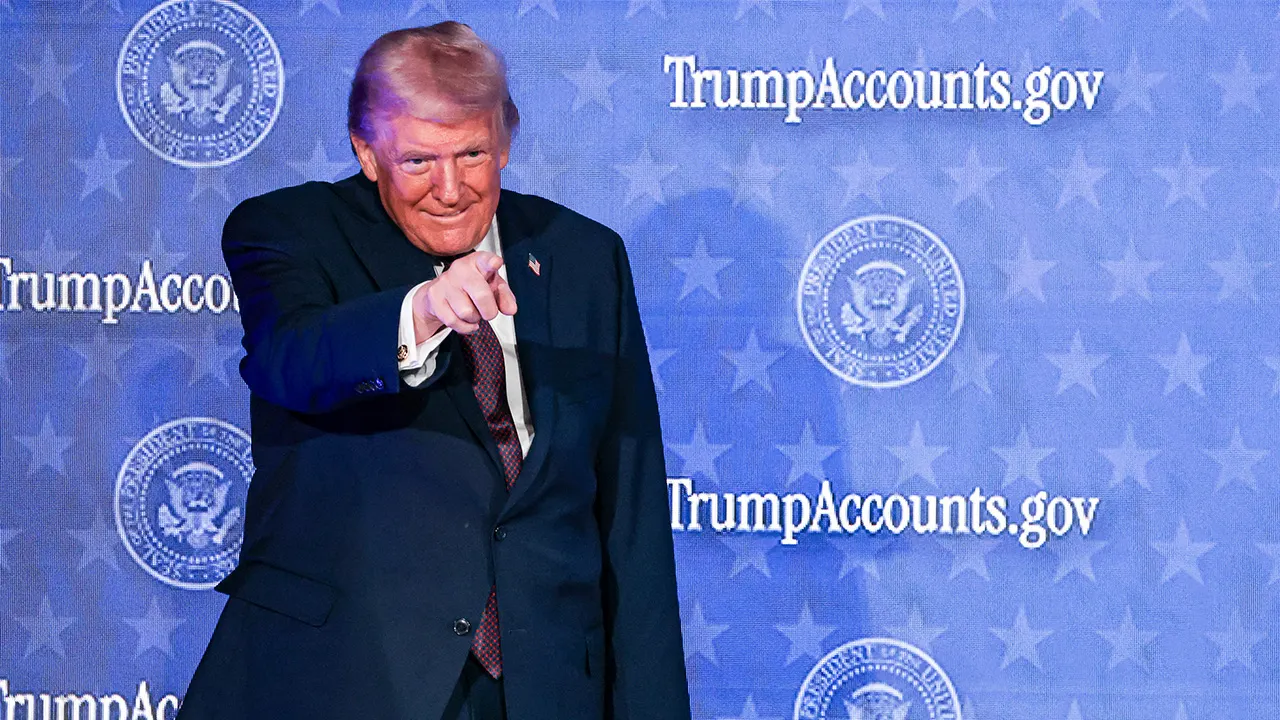
Trump Accounts launch July 4 with the State Street SPDR Portfolio S&P 500 ETF as the default investment. The Treasury Department plans to add more low-cost index fund options soon.
The Vanguard Total Stock Market ETF (VTI) holds more than twice as many companies as the State Street SPDR Portfolio S&P 1500 Composite Stock Market ETF (SPTM). Both funds carry a minimal 0.03% expense ratio, making them among the most cost-effective options for total market exposure.
State Street SPDR Portfolio S&P 1500 Composite Stock Market ETF is downgraded to Hold due to unfavorable macro conditions and uncertain AI-driven growth. SPTM has underperformed value stocks and remains highly sensitive to interest rates given its heavy technology and communication sector exposure. Market optimism is high, with elevated equity exposure, and risks from persistent inflation and unproven AI ROI make the upside limited and downside significant.