
Loading…
Loading…


The Invesco S&P 500 High Dividend Low Volatility ETF (SPHD) is designed to replicate the performance of the S&P 500 Low Volatility High Dividend Index. This fund allocates a minimum of 90% of its total capital to the common stocks featured within its benchmark index. Standard & Poor's is responsible for the creation, maintenance, and calculation of this index, which consists of 50 companies selected from the S&P 500 that have historically demonstrated both elevated dividend payouts and minimal price volatility. The holdings of the ETF and the constituent companies of the index are both revised and re-evaluated twice annually, in January and July.
Is SPHD's expense ratio expensive, average, or a steal for its category?
Pro reveals the verdict on a 5-tier spectrum calibrated against ICI 2025 industry averages, with strategy-aware bands so the comparison is meaningful.

Invesco S&P 500 High Dividend Low Volatility ETF targets conservative income investors but sacrifices total returns versus peers. SPHD's index screens for high yield and low volatility but lacks a quality filter, exposing investors to yield traps and weaker drawdown recovery. Despite a 4.27% estimated yield and low beta, SPHD underperforms SCHD, which offers similar volatility and higher returns.

That friendly cardigan-clad spokesman on TV never says the word debt, but a reverse mortgage is exactly that, and the paid-off house you worked 30 years to own deserves a closer look before you hand over the deed.
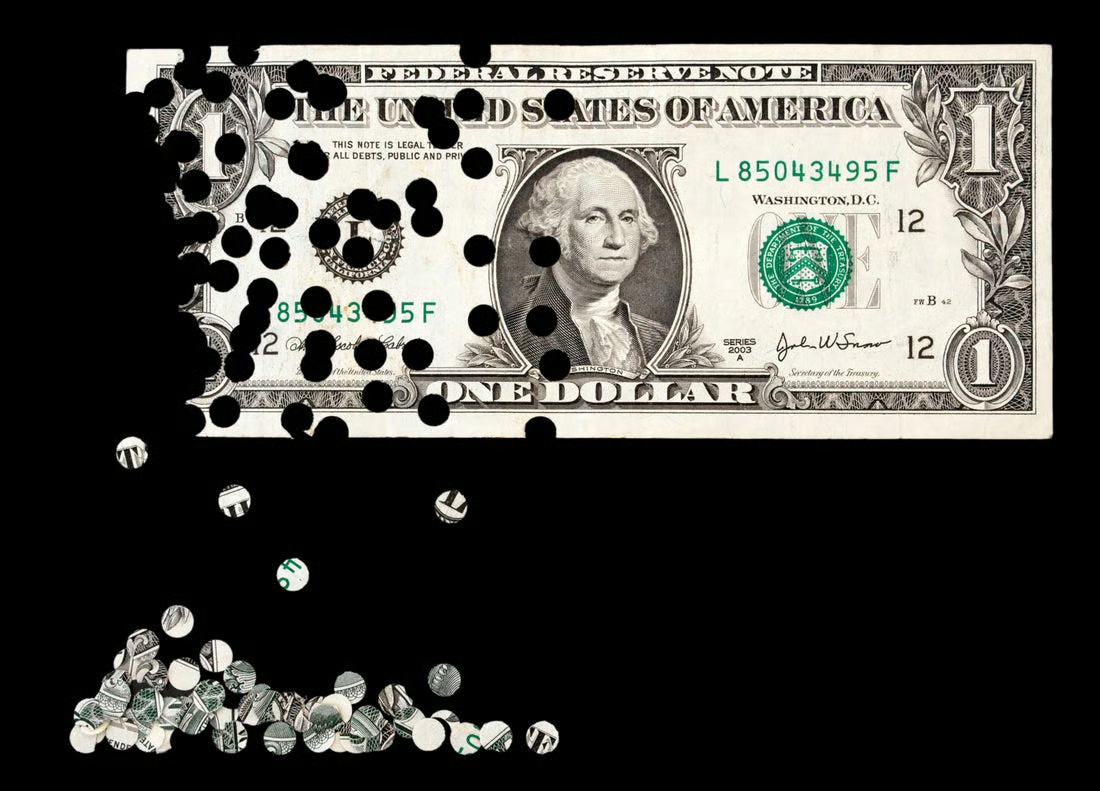
Cash only feels safe when you forget about the destructive impact of inflation.

A 45-day window, a severance check, and nine years to cover before Social Security arrives sounds like a crisis. Four ETFs turn it into a blueprint.

Medicare premiums are rising nearly four times faster than Social Security checks, and the gap is widening every year. Three ETFs attack that shortfall from completely different angles, and most retirees are only using one of them.