
Loading…
Loading…


Advisors and investors have certainly been keeping an eye on gold prices as of late, but what's going on with the gold miners themselves may be equally as interesting. Key Takeaways: Gold miners performed well in August, given that the precious metal offered a potent use case during the debasement trade and a weakening dollar.

Long viewed as an emergency brake for macroeconomic panic, gold is starting to prove itself as much more than a crisis asset. Key Takeaways: Gold is often viewed as a defensive investment amid uncertainty, but Sprott's John Hathaway, MBA, CFA, argued it has merits as an “all-weather strategy.

The price of gold may have struggled a bit earlier this year, but the metal's spot price has gotten back on track in recent weeks. Key Takeaways: Gold has continued to do well as of late, with Sprott research showing the price of spot gold rose 9.67% over August.

Gold's outlook has brightened considerably following its first-half correction. Spot prices have rebounded to flirt with $4,400 per ounce, supported by renewed central-bank buying, softer economic data, and diminished expectations for further Fed tightening.

With countries and central banks seeking to buy up metals for the years to come, crafty advisors and investors have been able to capitalize on these purchases with strategic exposure. Of course, this attention has also extended to gold, which has seen its price both rise and fall in the first half of the year.

Gold ETFs remain well-positioned despite near-term volatility, supported by central bank buying, U.S.-Iran peace deal and their role as a portfolio diversifier.

SGDJ, which offers exposure to 30 global junior gold miners, has outperformed diversified miners over the past year, but we have our concerns over this product. SGDJ's smart-beta approach that emphasizes price momentum over 12 months is not well-suited to the characteristics of junior mining stocks. The ETF's narrow portfolio, high turnover, lagged rebalancing effects, and significant non-USD exposure amplify volatility, tracking error, and slippage risks.
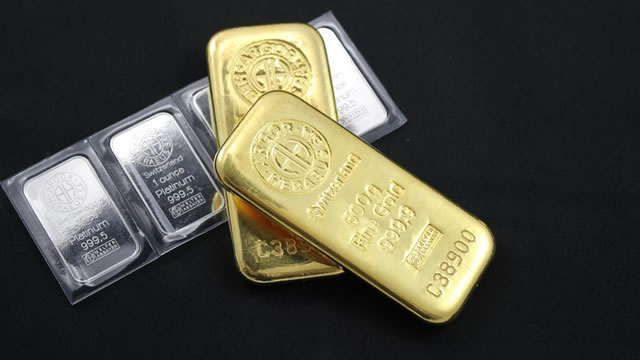
Ceasefire optimism, a weaker dollar and cooling oil prices are putting gold ETFs back in focus.